
A tooth can break unexpectedly while eating, playing sport or in an accident. Appropriate first aid and prompt dental help can allow many fractures to be treated successfully.
This guide explains what to do urgently, the treatment options and how to protect your teeth long term.
Why Do Teeth Break? Common Causes
Teeth include the hardest material in the body, but are not indestructible. There are many reasons why a piece may suddenly break off.
Decay weakens tooth structure: If decay hollows out a tooth from within, it becomes unstable. A piece may break unexpectedly during chewing, even with soft foods.
Accidents and sports injuries: A dental injury from a fall, blow or collision can cause significant damage. Front teeth are particularly vulnerable to a frontal impact.
Bruxism (teeth grinding): Night-time grinding places substantial strain on teeth. Over years, it may wear enamel and create fine cracks until a tooth eventually breaks.
Old fillings and weakened teeth: Large fillings can weaken the remaining tooth walls. The tooth may lose stability over time and then break.
Biting hard objects: Cherry stones, ice cubes, unpopped corn and chewing pens can cause fractures, particularly when enamel is already weakened.
First Aid: What to Do Immediately
Prompt, appropriate action matters. These are the main steps after a tooth breaks.
Stay calm: Take a deep breath. A broken tooth can be treated, and appropriate action now helps.
Find and keep the fragment: Keep any fragment as clean as possible, keep it moist and do not scrub it.
Suitable storage: A tooth rescue box from a pharmacy is ideal. Alternatively, use UHT milk or saline; in an emergency, moist cling film may be used. Do not let the fragment dry out.
Rinse your mouth: Rinse gently with lukewarm water to remove blood and food debris.
Control bleeding: Bite on sterile gauze or a clean handkerchief if there is bleeding. Cooling the outside may help swelling.
Ease pain: Cool the area from outside with a compress wrapped in a cloth. If needed, use only painkillers suitable for you. Follow the package leaflet and ask the practice or pharmacist about contraindications or interactions.
Contact a dentist immediately: Time matters. Acting promptly improves the chance of saving the tooth.
What Does the Dentist Do for a Broken Tooth?
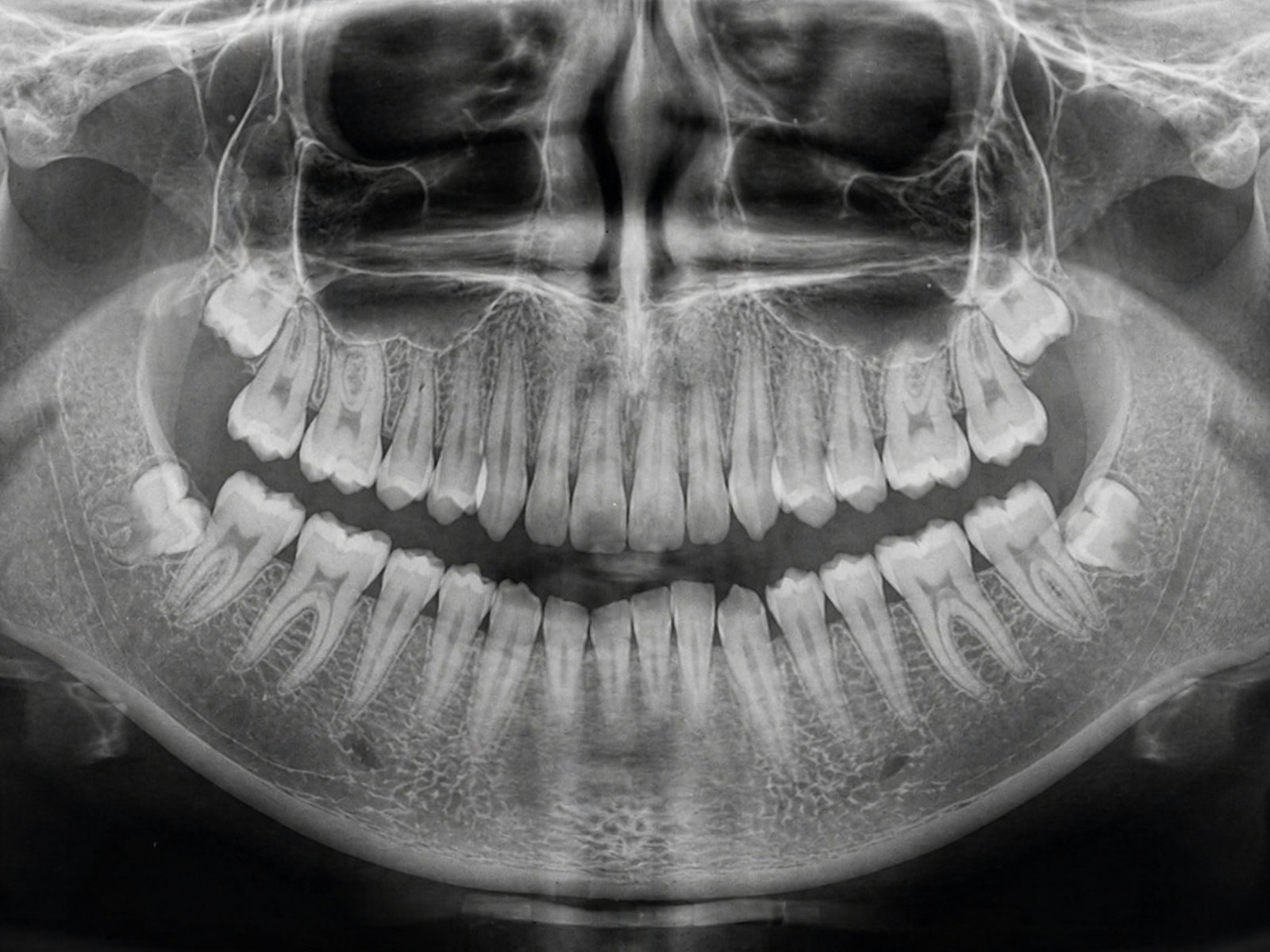
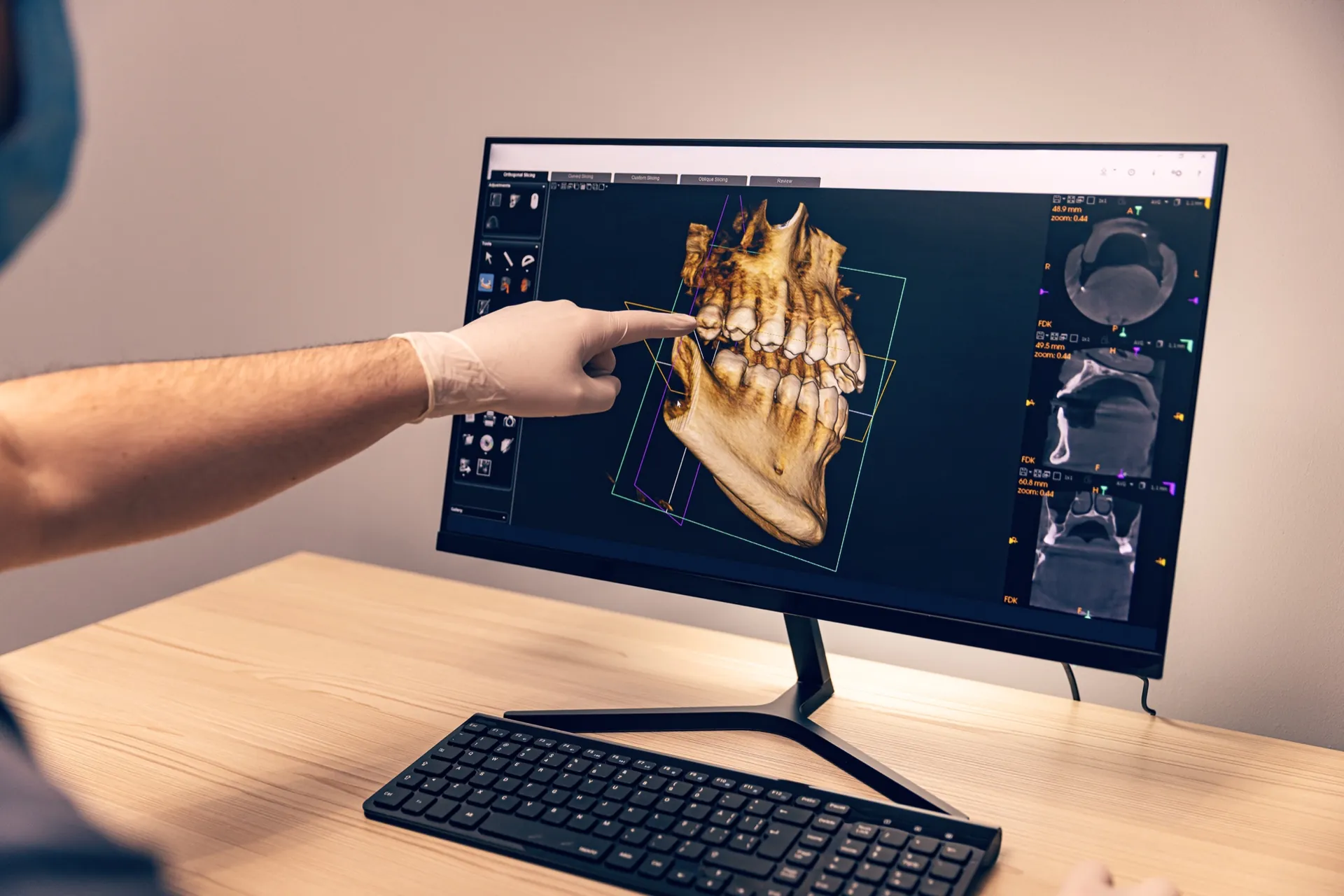
A thorough examination comes first. Whether X-rays are needed depends on the injury and clinical findings; they may help assess the root and inside of the tooth.
Small chips: can often be managed by polishing or a small composite filling.
Larger fractures: A build-up filling or veneer may be considered, particularly as an aesthetic option for front teeth.
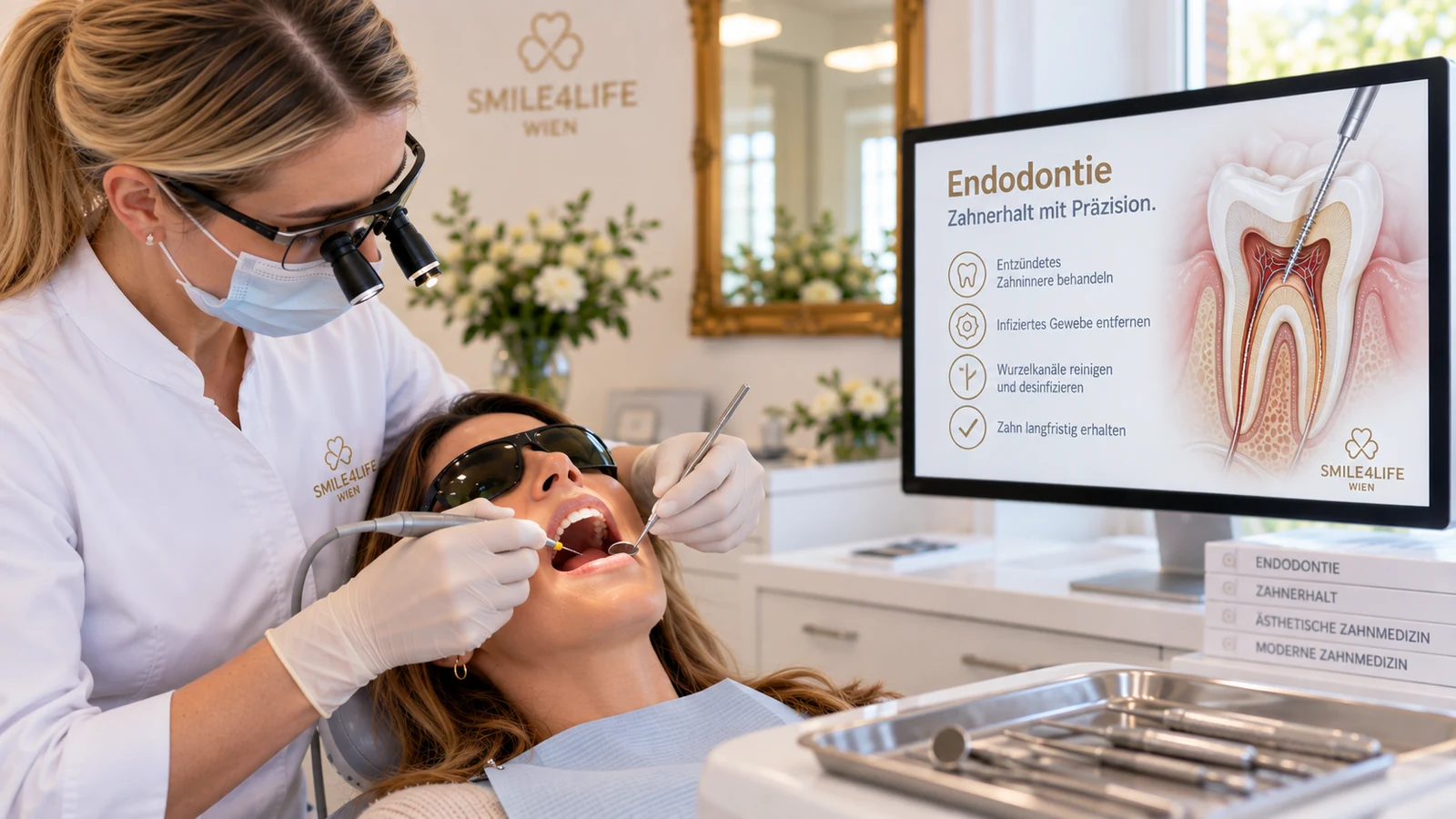
Fracture into the inside of the tooth: If the dental pulp is exposed, the dentist assesses whether treatment can preserve its vitality. If the living tissue cannot be preserved, root canal treatment may be necessary.
Stabilising with a crown: After root canal treatment or substantial loss of tooth structure, a crown can protect the weakened tooth.
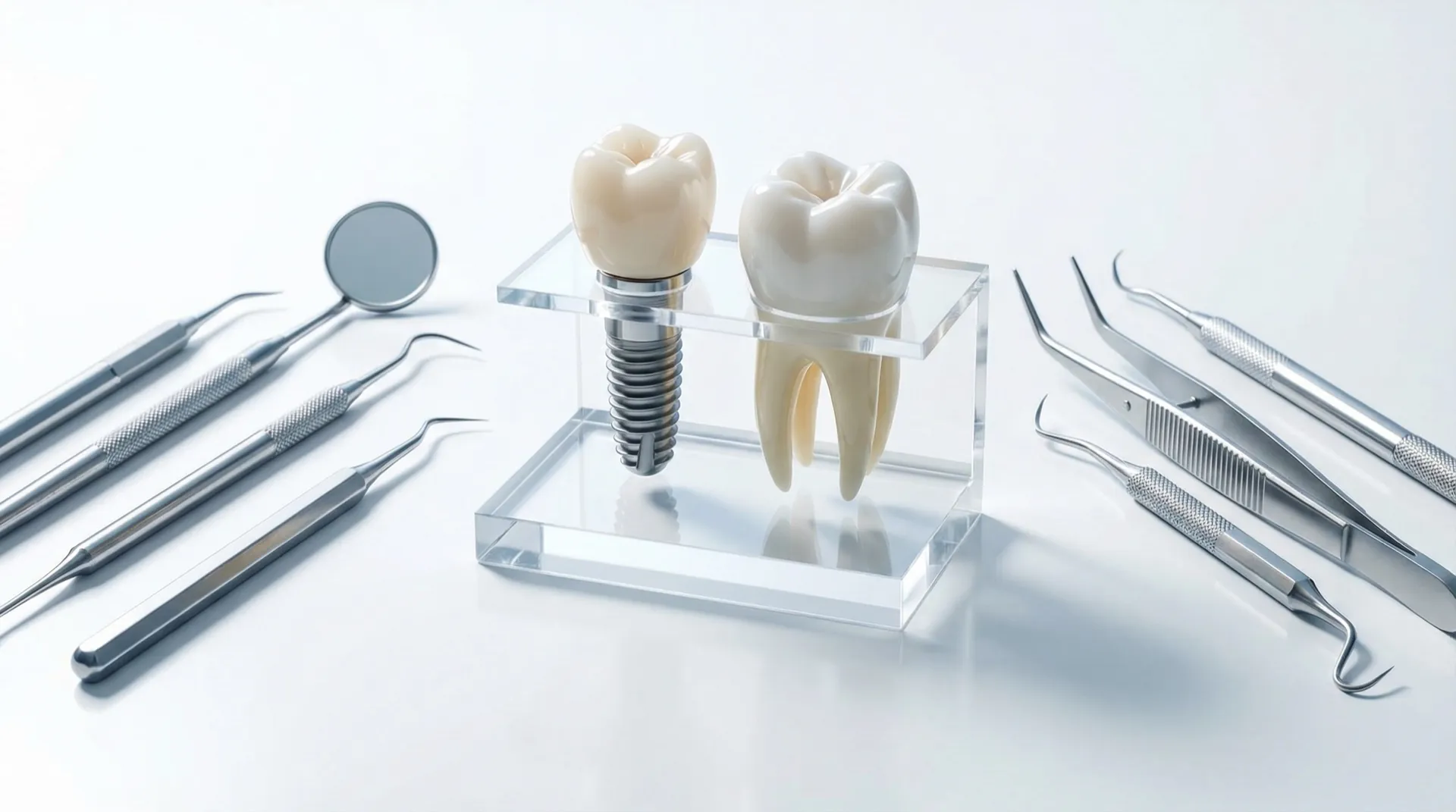
Complete tooth loss: If the tooth cannot be saved, a dental implant may be an established replacement option.
Treatment Options: Restoring the Tooth or Replacing It
The appropriate treatment depends on the extent of damage.
Composite filling: For smaller chips, tooth-coloured resin rebuilds the tooth, often in one appointment at relatively low cost.
Veneers: These very thin ceramic shells are bonded to the front of the tooth and are particularly suitable for incisors.
Partial crowns and onlays: If larger parts are missing but enough healthy structure remains, a partial crown may stabilise the tooth.
Full crowns: A crown covers the entire visible part of the tooth, restoring function and appearance.
Implants: An implant replaces a tooth root and supports a restoration. Suitability depends on the clinical findings.
Costs and Insurance
Costs vary with severity and treatment chosen. Health insurance often covers part of a simple composite filling. Ceramic veneers have a guide range of €750 to €2,500 per tooth as private treatment. A ceramic crown is around €900 to €2,000. Under ÖGK, crowns are generally private services; a contribution for a medically justified exceptional case requires prior approval. Root canal treatment depends particularly on the number and shape of the canals. A single implant including crown has a guide range of €1,900 to €3,500, with bone grafting potentially additional. All amounts are typical market guides, as listed on our prices page. A firm figure requires an examination: you receive your personal cost plan after assessment at the practice and before treatment begins.
At Smile4Life Vienna, you receive a detailed treatment and cost plan before treatment so you know what to expect.
Contents

Your dental consultation in Vienna
Discuss which treatment may suit your teeth and clinical findings.
Learn morewurzelbehandlung-wien