
Since 1 January 2025, new dental amalgam use has been prohibited for most patients in Austria and throughout the EU. A material long used for fillings has therefore largely been phased out. For people with existing amalgam fillings, this raises practical questions: must old fillings be removed, what alternatives are available, and are existing fillings still safe?
This guide explains what the EU has decided and what it means for you.
What the EU Decided, and Why
Regulation (EU) 2024/1849 of 13 June 2024 amends the EU Mercury Regulation (EU) 2017/852. Since 1 January 2025, new use has generally been prohibited, with a narrow exception for specific medical needs. The decision is based on the Minamata Convention to protect against mercury pollution. Amalgam contains approximately 50% mercury, which can enter the environment during disposal and incineration.
Important to understand: The ban concerns new use of amalgam, not fillings already in your mouth.
The narrow medical exception: According to the dentist’s assessment, new use must be strictly necessary because of specific medical needs. Pregnancy, breastfeeding, childhood or kidney disease do not constitute blanket permission.
What Does This Mean for Existing Amalgam Fillings?
The main message is: Intact amalgam fillings should not be removed as a precaution.
European and Austrian dental professional societies agree that removing an intact amalgam filling briefly releases more mercury than leaving it in place. If the filling seals well, has no cracks and causes no symptoms, monitoring rather than replacement is appropriate.
After individual assessment, replacement may be considered if:
- The filling leaks, breaks or cracks
- Decay has developed beneath the filling
- The filling is an aesthetic concern, for example visible when smiling
- A particular health situation requires individual dental and, where necessary, medical assessment; pregnancy or breastfeeding alone is not a reason for precautionary replacement
- You would like a change and the benefits, risks and alternatives have been discussed with the treating practice
What Are the Alternatives? Composite, Ceramic and Glass Ionomer Cement
The good news is that alternatives to amalgam are now well established, and many dentists have preferred them for years.
| Material | Longevity | Aesthetics |
|---|---|---|
| Composite resin | Varies between individuals | Tooth-coloured, highly aesthetic |
| Ceramic inlay (CAD/CAM) | Varies between individuals | Tooth-coloured, highly aesthetic |
| Glass ionomer cement | Varies between individuals | Tooth-coloured, less aesthetic |
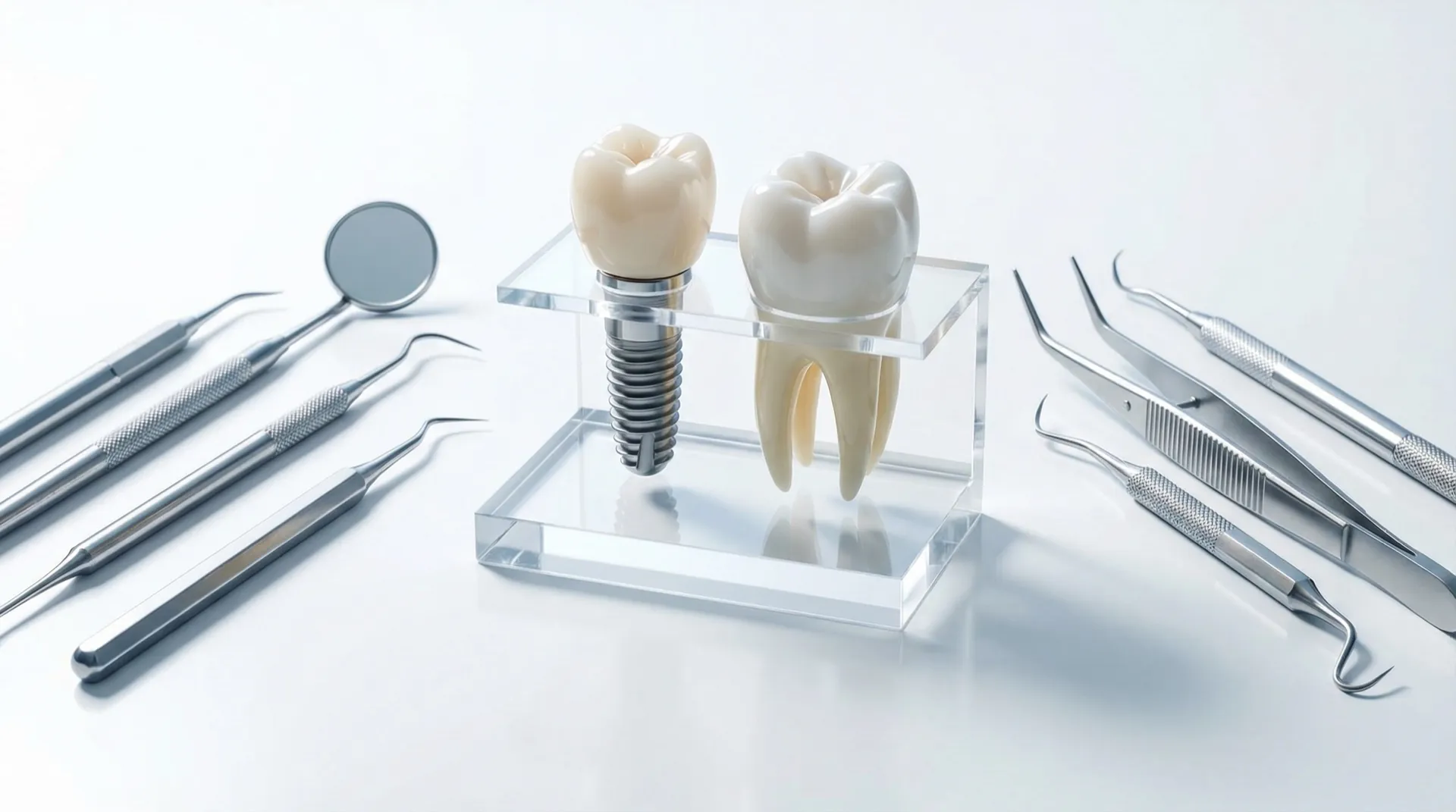
Composite: Modern composite fillings are tooth-coloured and can look very similar to natural teeth. Their longevity depends on factors including the defect, technique, forces on the tooth and care.
Ceramic Inlays: A Higher-Cost Option At Smile4Life Vienna, we use ceramic inlays with CAD/CAM technology: digitally milled ceramic restorations that can be made and fitted in one appointment. Whether ceramic or composite better suits the defect is decided on the clinical findings; this does not establish general superiority. They are an option for larger fillings in back teeth. If root canal treatment was needed, appropriate subsequent restoration is particularly important.
Glass ionomer cement: Less aesthetic, but an option for smaller fillings.
A note on costs: The materials covered by public insurance are continually renegotiated between Austrian health insurers and the dental chamber and can change. Ask your dentist or insurer about the current position for your policy.
Should I Have My Old Amalgam Fillings Removed?
We hear this question often. The answer is: only if there is a medical or aesthetic reason.
Precautionary amalgam removal is NOT recommended because:
- Removal briefly releases more mercury than leaving the filling in place
- Every filling replacement removes tooth structure
- Your personal health situation needs to be considered; intact fillings are not removed solely as a precaution
- Mercury from amalgam and food occurs in different forms; a general comparison of amounts does not replace individual assessment
The SMART Protocol: Protective Measures During Removal
SMART (Safe Mercury Amalgam Removal Technique) is a protocol involving protective measures. Appropriate measures for necessary removal are determined individually:
- Rubber dam: isolates the treatment area and can help prevent swallowing particles
- High-volume suction: aims to reduce exposure during removal
- Specialised protective equipment for the dentist and assistant
- Efficient removal: the filling is removed in larger pieces rather than ground up
Before removal, discuss the reason, benefits, risks and planned precautions with the treating practice.
Are My Existing Amalgam Fillings Still Safe?
The answer depends on your personal situation.
The FDA does not recommend precautionary removal of intact fillings. It describes greater uncertainties for certain groups, including pregnant or breastfeeding women, young children and people with impaired kidney function.
What the evidence says:
- The FDA does not recommend precautionary replacement of intact fillings without medical need, including for sensitive groups
- Individual assessment is appropriate if you have symptoms or a known intolerance
- Removal can cost healthy tooth structure and temporarily increase mercury vapour exposure
However: The EU considers environmental pollution and the health effects of mercury. Mercury is an environmental toxin, and the EU aims to reduce mercury pollution in the environment.
Would you like to replace amalgam fillings for aesthetic or medical reasons, or find out whether your existing fillings are still in good condition? Arrange a check-up at Smile4Life Vienna. We discuss which option may suit your situation. EU Rules on New Use and FDA Information on Existing Fillings.
Contents

Your dental consultation in Vienna
Discuss which treatment may suit your teeth and clinical findings.
Learn morewurzelbehandlung-wien