Smile4LifeADVANCED DENTAL AESTHETICS & IMPLANTOLOGY

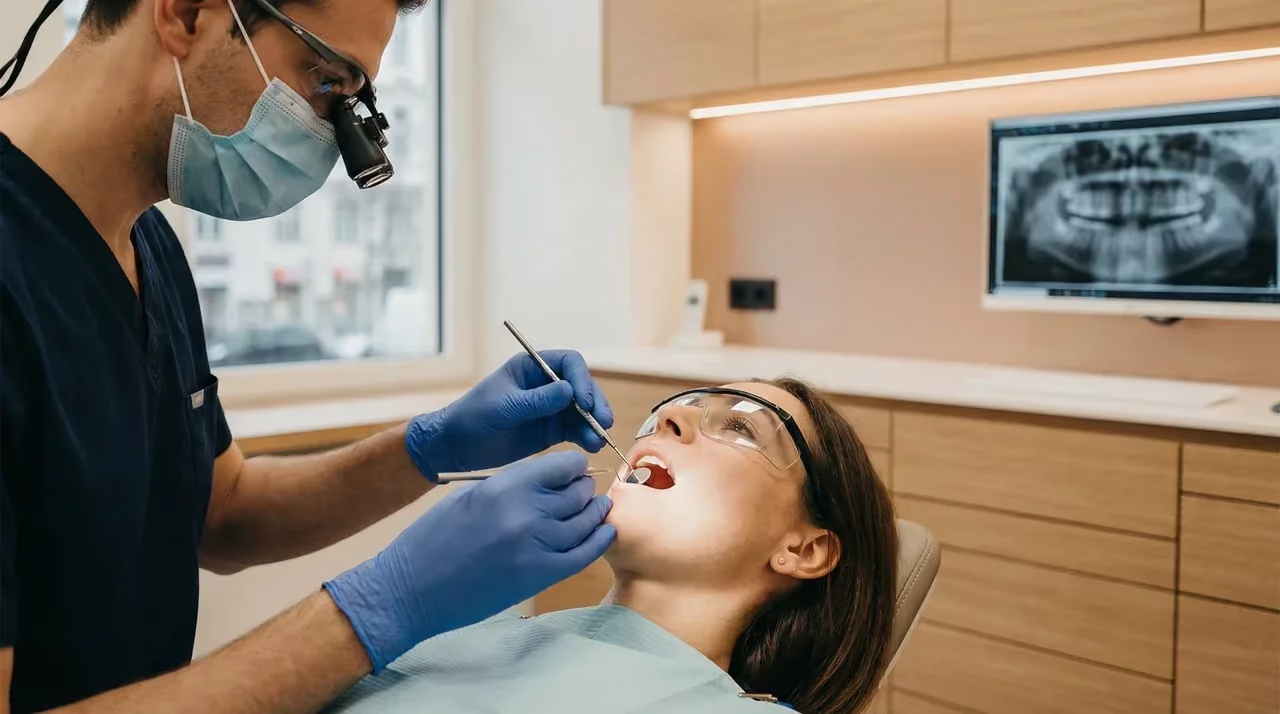
A dental professional treating a woman in a dental chair.
Prophylaxe

Professional Dental Cleaning Vienna: Your Appointment Explained

Professional cleaning in Vienna, step by step: what to mention beforehand, how assessment, ultrasonic scaling, Airflow and polishing work, and care afterwards.

Clarify findings first

Ultrasound and Airflow as needed

Discuss sensitivity

Take home care advice

Arrange a cleaning appointment

Professional Dental Cleaning Vienna

professionelle-zahnreinigung-wien

4.9★

Doctify rating

25+

Years of experience

Personal

In-practice consultation

1010 Vienna

Kärntner Straße 9

  • How does cleaning work and when is it useful?

    Teeth, gums and deposits are assessed first. Depending on findings, tartar and soft deposits are removed, followed by polishing, fluoride if appropriate and home-care instruction.

    Cleaning makes sense when tartar or deposits are present that you cannot reach at home. A Cochrane review involving 1711 adults without severe periodontitis found less tartar with fixed six-monthly or annual visits, but little difference in gingivitis.*

    Preventing periodontitis →

  • Airflow or ultrasonic scaling: what is the difference?

    Ultrasonic scaling uses vibrating tips mainly to loosen hard tartar; air-polishing removes biofilm and external staining. In studies, ultrasonic scaling plus air-polishing cleaned as effectively as ultrasonic scaling plus polishing and required less time.*

    Oral hygiene in Vienna →

  • What should I consider after cleaning?

    The ÖGK gives general advice to avoid eating and drinking for one hour and, if possible, strongly staining food and drinks such as coffee, tea, red wine or curry that day. The products used and any anaesthesia determine your instructions. Ask when you can eat, drink and brush again.*

    Cleaning costs and ÖGK →

  • What is the difference between cleaning and preventive care?

    Preventive care is the broader term for measures to prevent decay and periodontitis: care instruction, fluoride and reviews. Professional cleaning is one part; the ÖGK recommends it once or twice a year.*

    Oral hygiene at home →

Reference prices & costs →

Professional dental cleaning in Vienna: four steps

Professional dental cleaning — usually called professional oral hygiene in Austria, or PZR in dentistry — follows a set sequence here: assessment, plaque and tartar removal, polishing with fluoride and home-care advice. What happens within these four steps depends on your teeth. Persistent tartar needs different instruments from a few coffee stains; implants or braces further affect selection.

Why see a dentist if you brush daily? A toothbrush removes soft deposits, not calcified ones. Plaque is a bacterial biofilm. Left in hard-to-reach places, it mineralises into tartar that home care cannot remove. Bacterial deposits sustain gingivitis and favour decay; the bacteria within them are the main concern. A review highlights an important point: professional deposit removal helps gingivitis particularly when combined with home-care instruction. Alone, it does not replace brushing (Farina et al. 2026).

Before professional cleaning: medication, health conditions and sensitivity

There are three things we should know before your first cleaning. First, your medication, particularly blood thinners. Never stop these yourself: a review of newer anticoagulants found no substantial difference in postoperative bleeding between continuation and interruption before dental procedures; all bleeding was controlled locally (Manfredi et al. 2019). We clarify what applies to you, involving your doctor when needed.

Second, existing conditions: a heart valve replacement, diabetes, previous gum disease, implants or fixed braces. Third, your experience. Tell us if previous cleaning hurt so that we can plan breaks, different instruments or anaesthesia from the outset.

Step 1 — assessment: teeth, gums and deposits

Before cleaning, we examine. Where are tartar, soft deposits and staining? Do the gums bleed on contact? Are gum pockets deeper than expected?

Assessment also establishes a boundary. If there are signs of periodontitis, routine cleaning is insufficient; untreated disease can lead to tooth loss. Gum-pocket treatment then belongs in a separate plan. The European guideline describes staged care followed by supportive maintenance (Sanz et al. 2020). We explain this before cleaning begins.

Step 2 — ultrasonic scaling and hand instruments for tartar

We loosen hard deposits using ultrasonic scaling: a fine vibrating tip breaks tartar away, while water cools and flushes the area. Hand instruments — scalers and curettes — are also used between tightly spaced teeth, at gum margins and around implants, targeting areas where ultrasonic scaling would be less suitable. Providers need the appropriate training; in Austria, these are preventive dental assistants and dentists.

Is one method better? For cleaning below the gum margin in periodontitis, a systematic review found no meaningful difference between hand and ultrasonic instruments (Suvan et al. 2020). The important issue is thorough surface cleaning rather than a particular device. We therefore change instruments according to the site.

Step 3 — Airflow: air-polishing for stains and biofilm

Airflow, also called air-polishing, uses powder and water. It removes soft plaque and external coffee, tea or nicotine stains, including areas polishing cups cannot reach. Fine erythritol- or glycine-based powders are gentle on tooth surfaces, and many people find air-polishing more comfortable than scraping. In supportive periodontal therapy, erythritol air-polishing achieved comparable results to hand and ultrasonic instruments with less pain (Abdulbaqi et al. 2022).

Two limits matter. Airflow is not whitening: it reveals your own tooth colour without lightening it. It also does not replace tartar removal; calcified deposits need step 2. Whether we use air-polishing depends on findings, including exposed tooth necks.

Step 4 — polishing, fluoride and home care

After removal, we polish the teeth. Smooth surfaces take up new deposits less readily. Fluoride varnish may be applied afterwards. In older adults, professional fluoride application can prevent root decay (Chan et al. 2022); whether a product is appropriate depends on your decay risk and diet.

The fourth step is often underestimated: instruction. On your own teeth, we show where deposits repeatedly collect and which toothbrush, floss or interdental brushes fit. Powered interdental cleaners are an alternative to floss: they reduce gum bleeding comparably and are often preferred (Edlund et al. 2023). Daily care between appointments matters; see oral hygiene Vienna: duration and care for more.

Sensitive tooth necks: what we can do in the practice

Exposed tooth necks and inflamed gums are two reasons cleaning can feel uncomfortable. Assessment identifies them so that we can adapt: less pressure, hand instruments rather than ultrasonic scaling at sensitive sites, breaks and local anaesthesia if needed. Tell us as soon as anything hurts. Pain is not a sign of more thorough cleaning.

Sensitivity to cold for a few days afterwards is usually temporary. Toothpastes containing stannous fluoride, arginine or similar ingredients have demonstrated relief (West et al. 2015). If symptoms last longer, we examine the site. Call rather than waiting until your next cleaning.

After cleaning: eating, coffee and smoking

Whether you need to wait depends on what was applied. After fluoride varnish, avoid hard food, hot items and brushing for a short time; we explain the exact period in the practice. After anaesthesia, wait until sensation returns in the lip and cheek before eating. There is no universal 24-hour rule.

You may drink coffee, tea and red wine, but avoiding them for the first few hours after polishing helps keep new pigments off the surfaces. With smoking, there is no waiting period after which nicotine becomes harmless. Smoking is a risk factor for gum disease, and the guideline specifically recommends stopping smoking in periodontitis (Sanz et al. 2020).

Cleaning process, duration and intervals: how often?

All four steps take place during one dental appointment. Duration depends on deposits, gum condition and the steps planned; we tell you the scheduled time when you book. The common recommendation for once- or twice-yearly cleaning has a weaker evidence base for healthy adults than many expect. In healthy adults receiving regular dental care, a Cochrane review found little difference over two to three years between six-monthly, annual and no scheduled scaling and polishing (Lamont et al. 2018). After periodontitis treatment, however, the guideline recommends supportive care at three- to twelve-month intervals according to risk (Sanz et al. 2020).

For you, this means choosing a cleaning interval according to findings and risk rather than the calendar. Smoking, diabetes, implants or braces may call for shorter intervals than healthy gums and effective home care. We agree a recommendation at the end of the appointment for your oral health, rather than applying one rule to everyone.

Further questions: costs, insurance and appointments

Professional cleaning costs depend on scope and are set out in your personal cost plan after assessment. Austrian Dental Chamber advertising rules prohibit public disclosure of a practice’s own private dental prices unless legally required (Art. 3 lit. e WR-ÖZÄK). Typical market ranges and statutory insurance coverage — usually the ÖGK in Vienna — are explained on preventive care costs Vienna and the prices page. YERIT explains the benefits and limits in professional dental cleaning: benefits and limits. Return to the oral hygiene overview or book an appointment at Kärntner Straße 9.

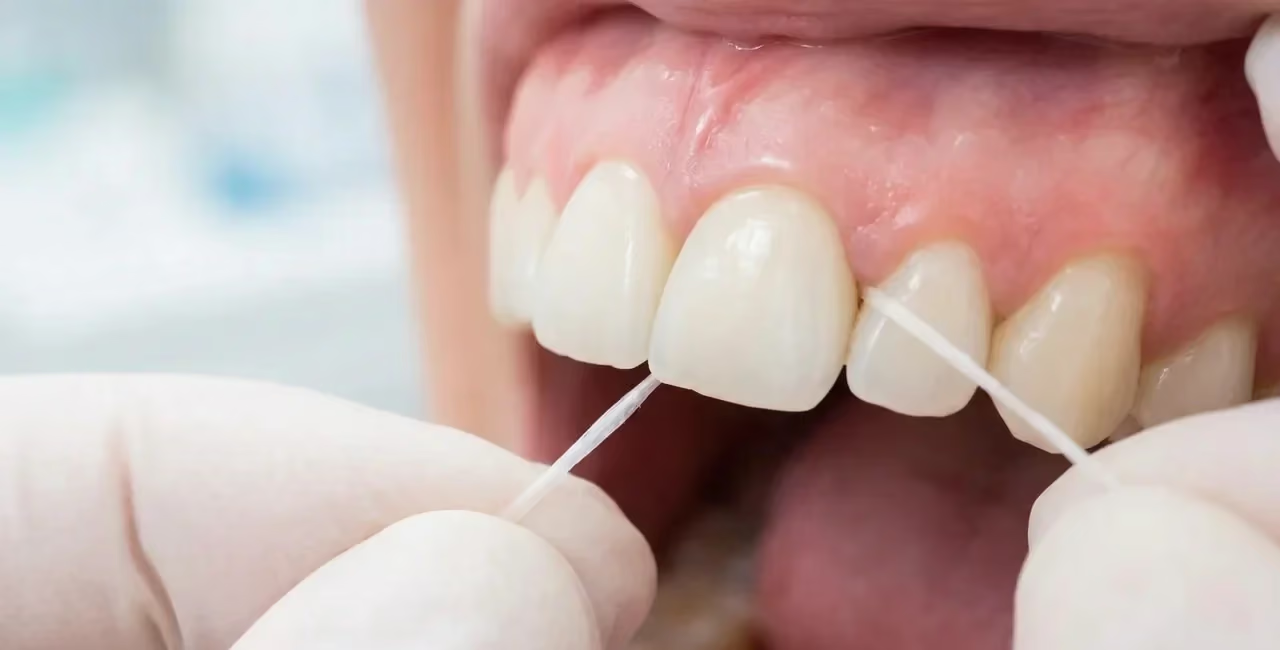
The time required and further appointments depend on your findings and the planned steps.

YOUR OPTIONS

TREATMENT OPTIONS COMPARED

We will discuss payment terms with you prior to treatment.

Advanced Dental Aesthetics & Implantology

Priv.Doz.Dr.Dr. K. Yerit

“Aesthetics is not a coincidence, but the result of precise planning and deep passion.”

A clearly structured process helps patients know what to expect — from assessment to individual advice.

View profile →

Scientific references

Institute for Implantology and Digital Dentistry Vienna

Österreichische Gesellschaft für Parodontologie

Deutsche Gesellschaft für Zahnerhaltung (DGZ)

European Federation of Periodontology (EFP)

Österreichische Zahnärztekammer

Yerit Practice – Dentist Vienna

Frequently asked questions

Frequently asked questions

What happens during each stage of cleaning?
Is professional cleaning painful?
How long does professional dental cleaning take?
When can I smoke again after dental cleaning?
What is the difference between cleaning and preventive care?

Do you have a specific question about your diagnosis? Book a consultation appointment directly →

Questions about your treatment?

Discuss what matters to you and what the next steps look like with us.

Book your appointment now

SCIENTIFIC STUDIES

Evidence-based medicine

The sources help to classify the possibilities and limitations of the treatment. Their results are not a guarantee for any individual case.

Farina R et al. (2026). Clinical Efficacy of Interventions Based on Professional Mechanical Plaque Removal in the Treatment of Dental Biofilm-Induced Gingivitis

The review examines adults with biofilm-induced gingivitis over 2–6 weeks. Evidence on additional benefit from professional deposit removal alongside care instruction has low certainty. It provides no general prevention or interval guarantee.

41531192

Sanz M et al. (2020). Treatment of stage I-III periodontitis — EFP S3 clinical practice guideline

The EFP S3 guideline describes staged treatment of periodontitis stages I–III and subsequent supportive care. It is not a guide for general routine cleaning.

32383274

Edlund P et al. (2023). Efficacy of power-driven interdental cleaning tools

The review examines powered interdental cleaners used alongside brushing in people with gingivitis. Results are not a general recommendation for every device or person.

36562267

Abdulbaqi HR et al. (2022). Efficacy of erythritol powder air-polishing in active and supportive periodontal therapy

The review concerns erythritol air-polishing in active and supportive periodontal therapy. It does not establish one standard process or superiority for every routine dental cleaning.

34318577

Lamont T et al. (2018). Routine scale and polish for periodontal health in adults

Cochrane review of two randomised trials involving 1711 adults without severe periodontitis: over two to three years, scheduled scaling and polishing every six or twelve months showed little difference in gingivitis, probing depth and oral health-related quality of life compared with no scheduled cleaning. Regular cleaning reduced tartar slightly; its clinical importance is unclear (Cochrane Database of Systematic Reviews, 2018).

30590875

Suvan J et al. (2020). Subgingival instrumentation for treatment of periodontitis. A systematic review

This systematic review informing the EFP S3 guideline evaluates randomised trials of subgingival instrumentation. Probing depth decreased by an average of 1.4 mm (95% confidence interval 1.0 to 1.7) after six to eight months, and 74 percent of pockets closed (95% CI 64 to 85). Hand or powered instruments, quadrant-based treatment or a single course showed no significant difference (Journal of Clinical Periodontology, 2020).

31889320

Manfredi M et al. (2019). World workshop on oral medicine VII: Direct anticoagulant agents management for invasive oral procedures

Systematic review with meta-analysis: continuing or interrupting direct oral anticoagulants before dental procedures made no substantial difference to postoperative bleeding; all bleeding was controlled locally. Study quality is low. Medication decisions belong to the prescribing clinician (Oral Diseases, 2019).

31140701

West NX et al. (2015). Management of dentine hypersensitivity: efficacy of professionally and self-administered agents

Systematic review of 105 randomised trials: toothpastes containing stannous fluoride, arginine, calcium sodium phosphosilicate or strontium relieve sensitive tooth necks compared with controls. Evidence for professionally applied products is limited; no agent is considered the gold standard. Included despite publication in 2015 because no newer review covers the same breadth (Journal of Clinical Periodontology, 2015).

25495777

Chan AKY et al. (2022). Clinical evidence for professionally applied fluoride therapy to prevent and arrest dental caries in older adults

Systematic review of seven studies in adults aged 60 and over: professionally applied fluoride, such as sodium fluoride varnish or silver diamine fluoride, can prevent and arrest root decay in older adults. This does not establish effects in younger adults; use depends on decay risk (Journal of Dentistry, 2022).

36058347

ÖGK Zahngesundheitszentren: Tipps nach der professionellen Zahnreinigung

After professional cleaning, avoid eating and drinking for one hour; avoid strongly staining food and drinks such as coffee, tea, red wine or curry that day (oegk.at, accessed 03.11.2026).

Österreichische Gesundheitskasse: Mundhygiene

The ÖGK describes professional cleaning as taking around 30 to 45 minutes depending on dental status, recommended once or twice yearly. Children and adolescents from their 10th birthday until their 18th birthday receive cleaning once per treatment year using the e-card, or twice with fixed braces, at least six months apart. Reimbursement at a private non-contract dentist is possible (oegk.at, accessed 08.09.2026).

Research findings help inform treatment decisions; they do not guarantee an individual outcome. We discuss suitable options with you based on your clinical findings and the planned treatment.

Evidence-based dentistry

ESCD
DGÄZ
AACD
AAED
Bright waiting area with large windows, chairs and a gold-framed wall mirror.

Kärntner Straße 9

100 meters from Stephansplatz, Innere Stadt.

Personal Consultation

Priv.Doz.Dr.Dr. K. Yerit

During a personal consultation, we will discuss your goals and the appropriate treatment options. The information on this page does not replace such an examination.

Partnerships & Memberships & References