
Invisalign aligners in Vienna: correcting teeth with clear trays
Discreet removable aligners for a straight smile — planned using evidence and supported individually
Wear for 20–22 hours/day
Change aligners every 1–2 weeks
Material: medical thermoplastic
Suitability: mild–moderate misalignment
Invisalign Aligners Vienna
invisalign-zahnspange-wien
4.9★
Doctify rating
25+
Years of experience
Personal
In-practice consultation
1010 Vienna
Kärntner Straße 9
At a glance
What is Invisalign and who may be suitable?
The removable trays move teeth gradually according to an individual treatment plan. Invisalign is a brand of aligners, or clear trays. The decisive issue is not the brand but whether the system can reliably correct your misalignment with dental planning and monitoring.
How long must I wear Invisalign?
20 to 22 hours daily; remove them only for eating, drinking other than water and brushing. Total duration depends on misalignment, and a retainer then maintains the result.
What are the disadvantages of Invisalign?
Success depends on your cooperation: wearing trays too little slows movement. Pressure and slight speech changes are common initially; brush after each meal before reinserting.
Who is Invisalign not suitable for?
For very severe misalignment, marked rotations or complex bite correction, fixed braces are often more reliable — also where trays cannot be worn almost all day.
Straighter teeth with discreet aligners.
Digital planning instead of guesswork
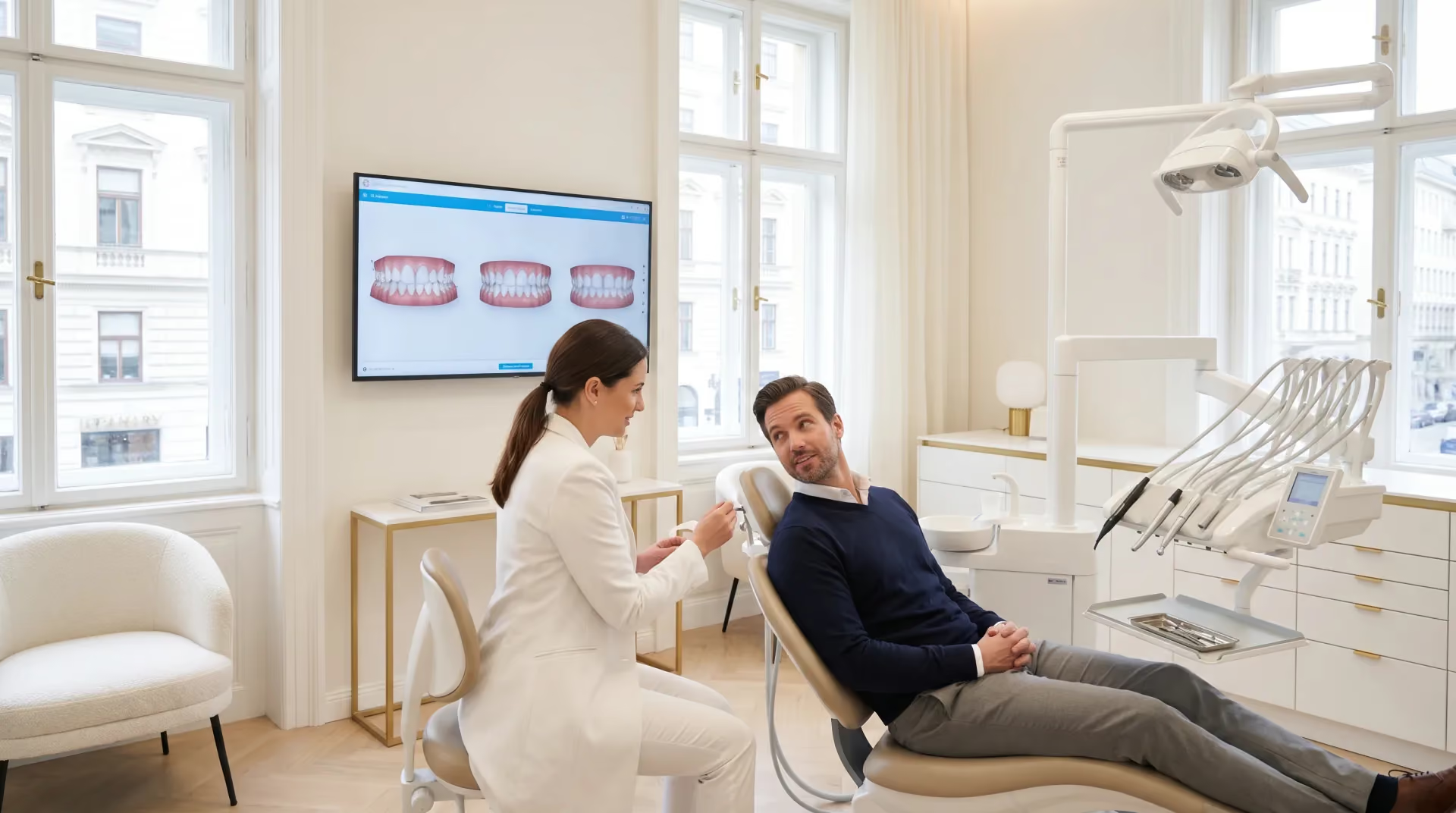
Following examination and assessment, a digital 3D scan may support planning. An individual ClinCheck simulation illustrates the planned goal and steps before the first aligner is made.
Removable, but requiring commitment
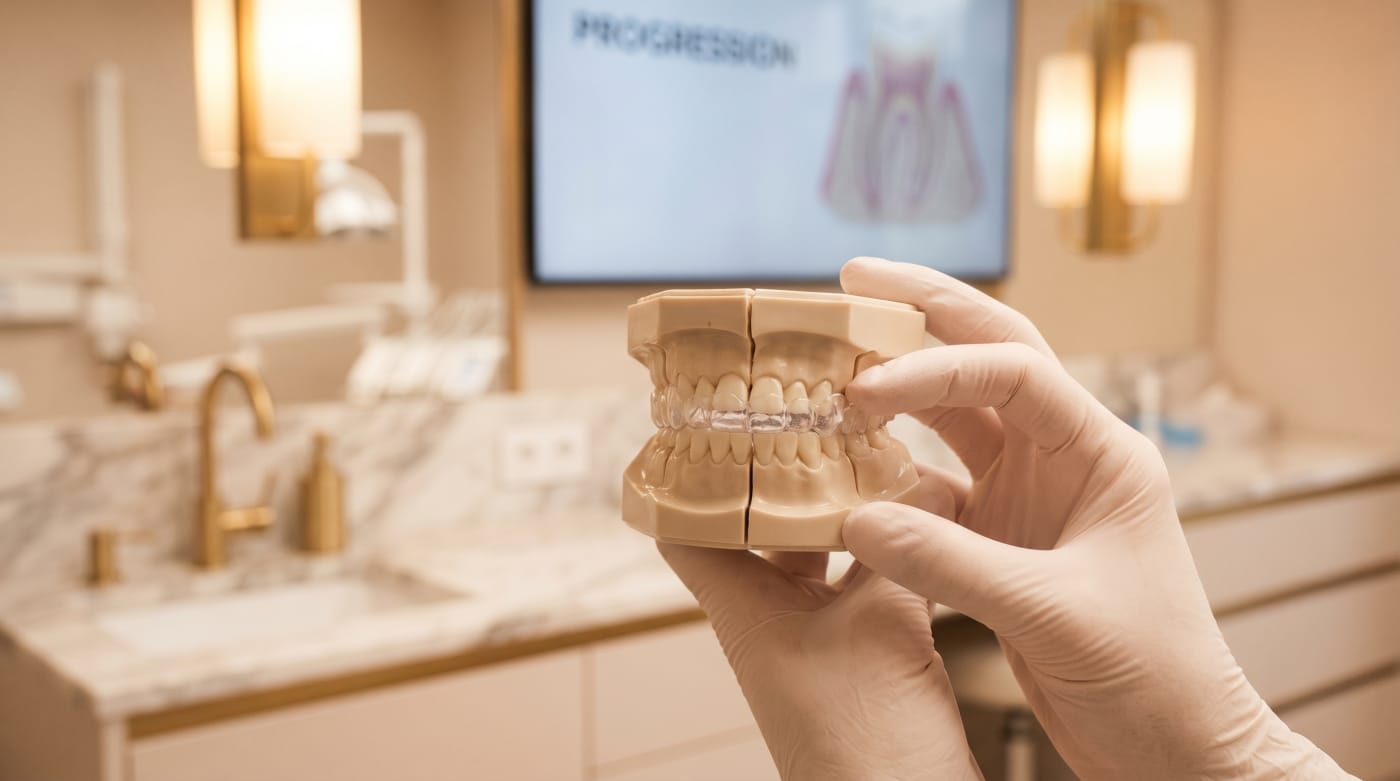
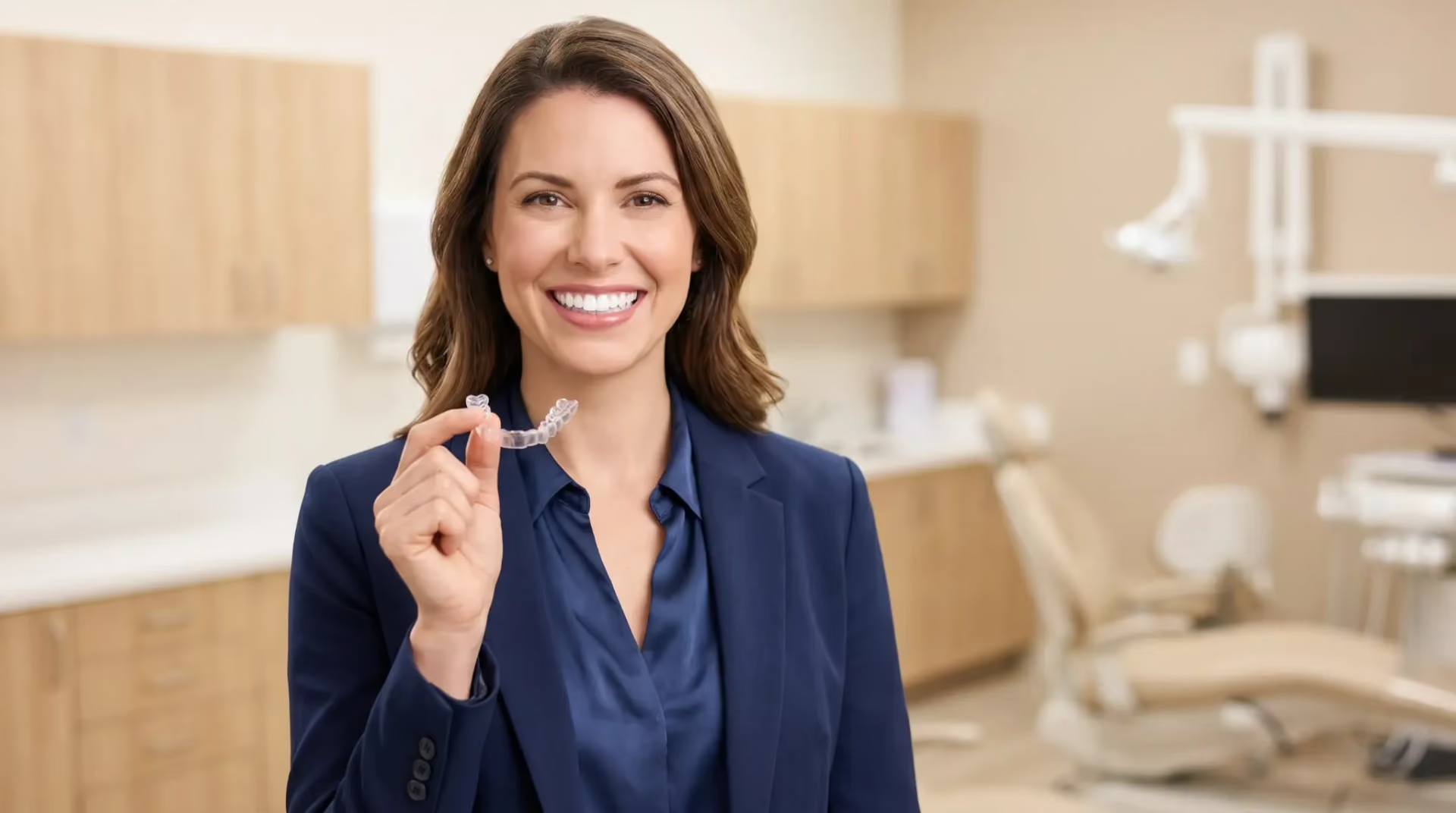
The transparent medical-plastic aligners are worn consistently for around 20 to 22 hours daily and replaced with the next in the series every one to two weeks, while fit and actual tooth movement are checked.
Hours a day
Around 20 to 22 hours of daily wear is common guidance; your individual plan is what matters. Your cooperation is important, as are the findings, planning, technique and biological response. Actual progress is assessed at check-ups.
Further detail
Invisalign aligners: the path to your new smile
People interested in invisible braces in Vienna want to know exactly how clear-aligner treatment works and who it suits.
After the initial consultation with a digital 3D scan and individual ClinCheck simulation, you receive your own series of clear aligner trays. Each tray is replaced with the next after around one to two weeks, moving teeth in small controlled steps. Regular check-ups monitor progress; a retainer supports tooth-position stability after active treatment. Wear, cleaning and check-ups are agreed individually; permanently unchanged teeth cannot be guaranteed. The guide Understanding Invisalign: method, options and limitations explains the method in more detail at YERIT.
Here are the basics of Invisalign and how aligners work. Separate pages explain the Invisalign process step by step and Invisalign for children and adolescents.
Invisalign in Vienna: what is Invisalign? An overview of the trays
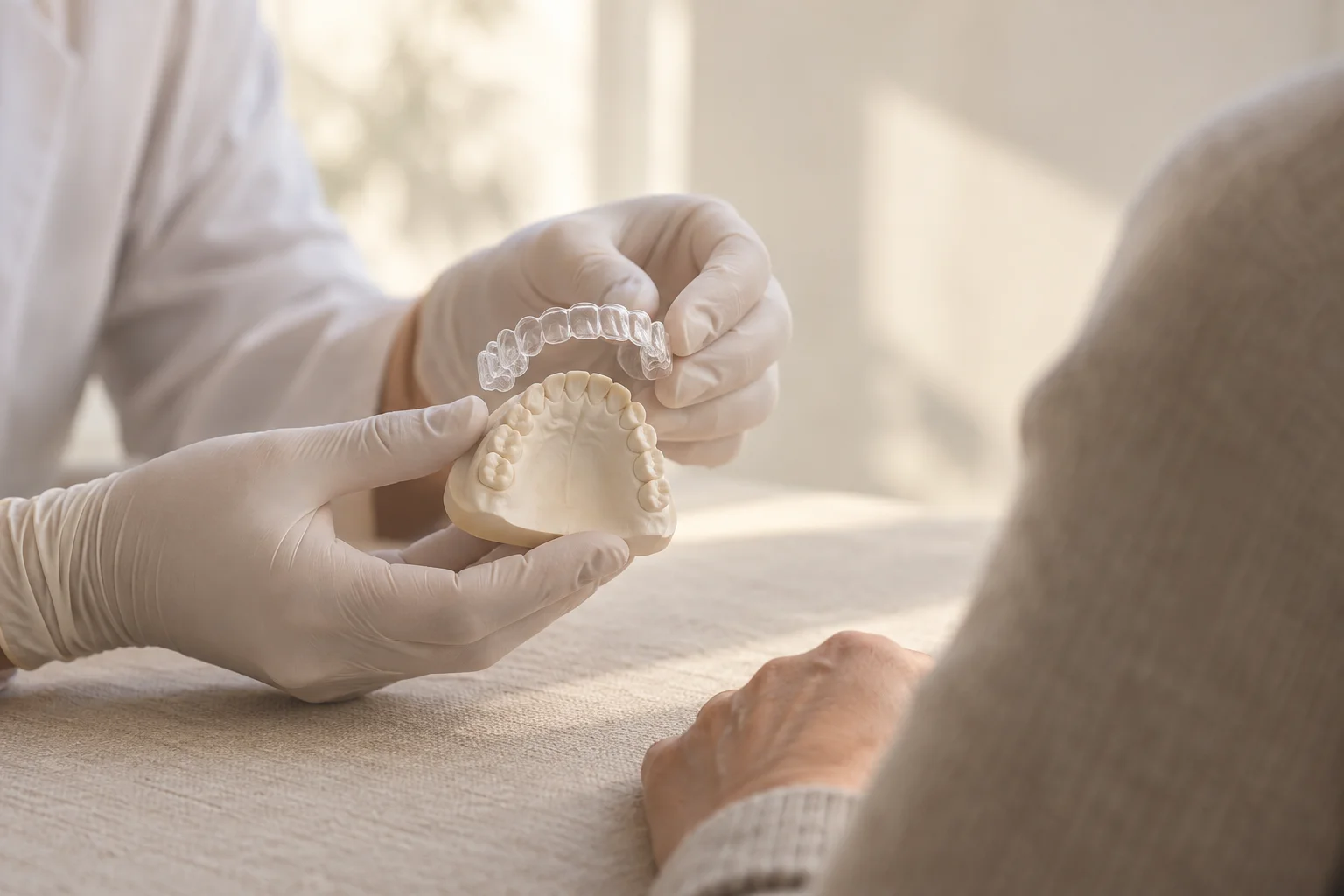
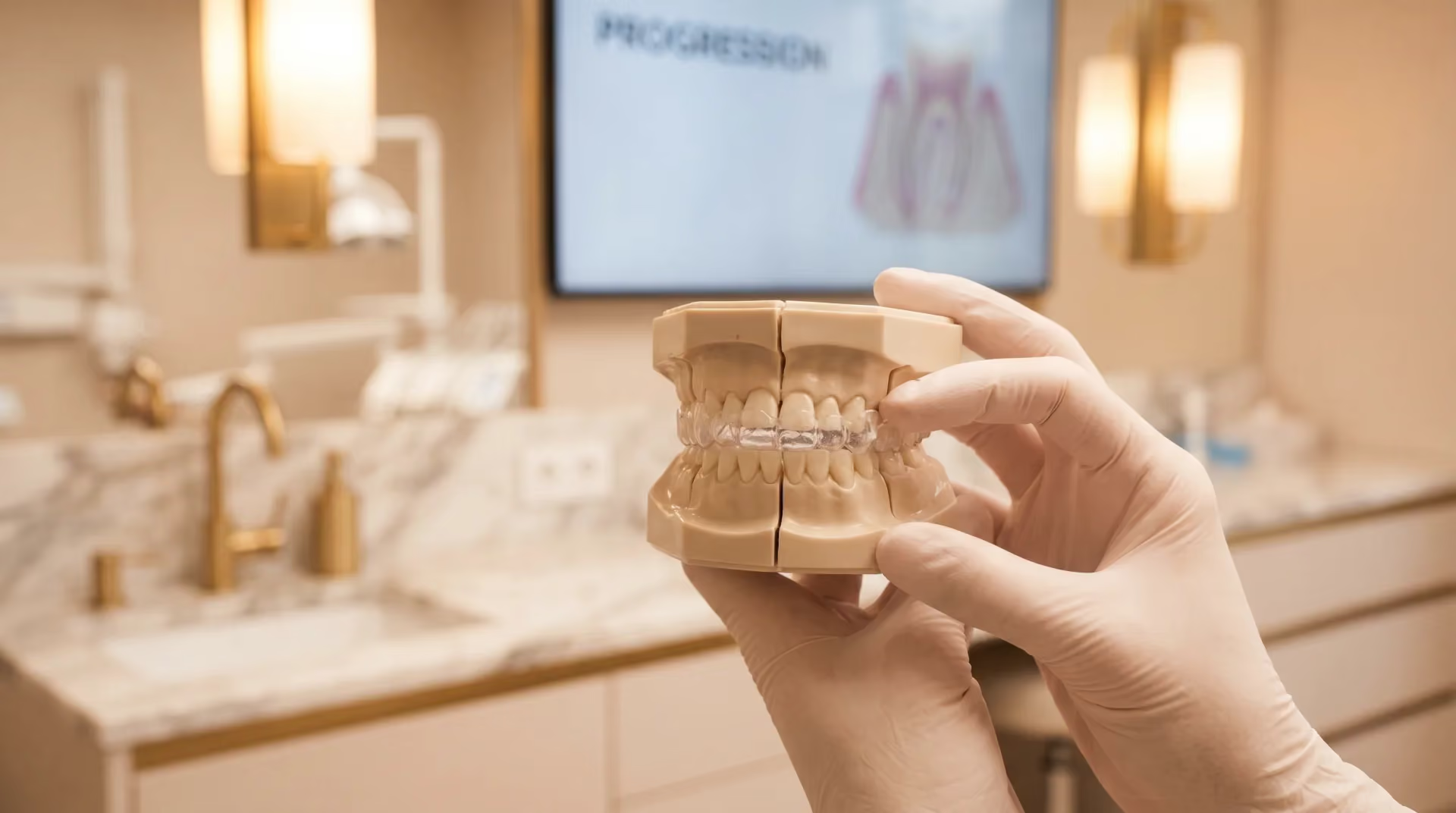
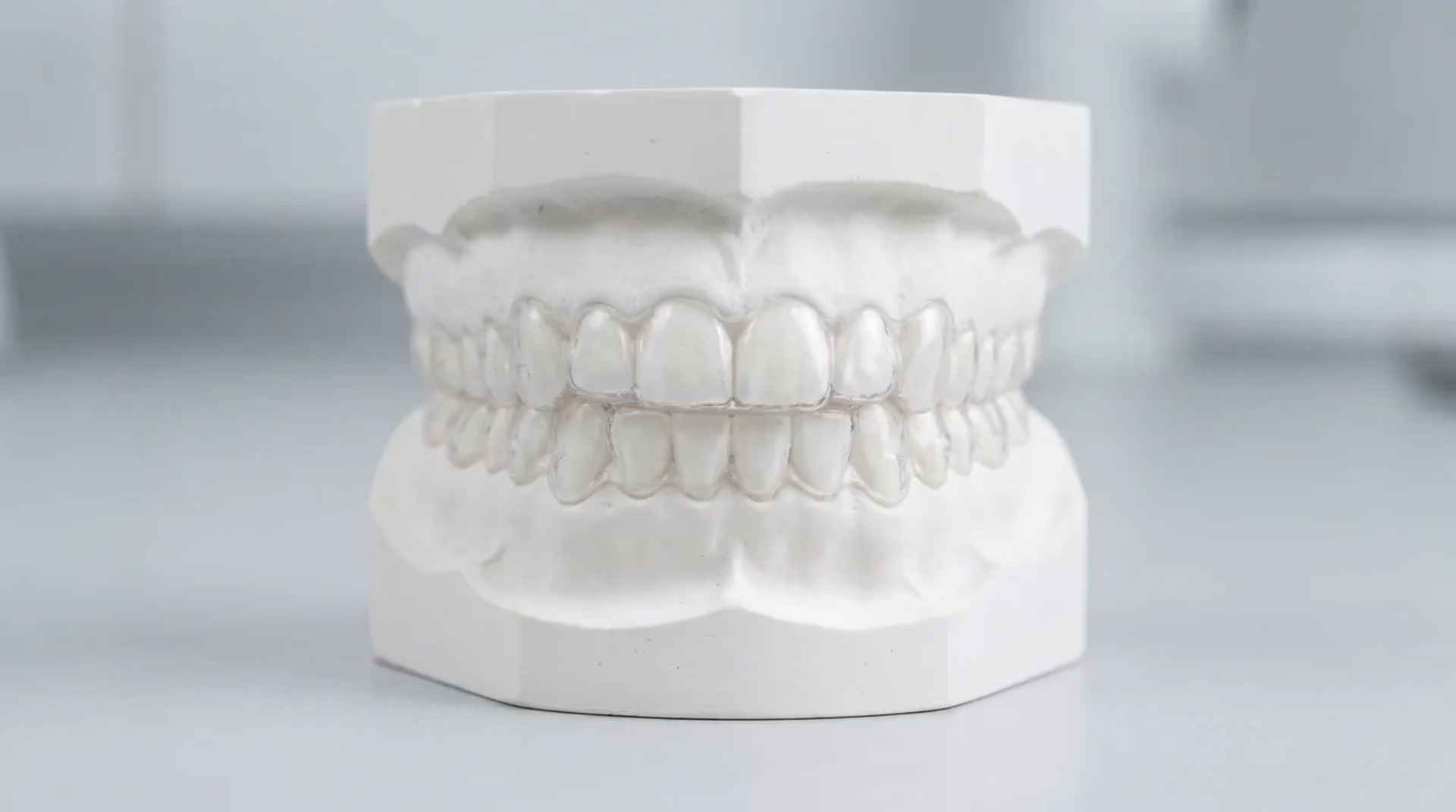
Invisalign is a system of clear removable aligners from Align Technology. Rather than brackets and wires, it uses digital planning: each tray is individually made for a particular stage of movement from the 3D scan and ClinCheck simulation. Your findings and treatment plan determine how many trays are needed and when they change.
The coordinated trays apply targeted forces; bone and supporting tissues adapt during movement. The planned steps form part of your individual plan. Small tooth-coloured composite projections on selected teeth, called attachments, give the tray grip for more difficult movements. SmartTrack material consists of polyurethane and copolyester. In a Medical University of Vienna laboratory study, it was not cytotoxic to oral-lining cells but changed their behaviour; the significance in the mouth remains unclear (Nemec et al., 2020). Raise a known plastic allergy before treatment. Align Technology was founded in 1997 and launched Invisalign in 1999. Material and planning have since evolved; older studies concern earlier system generations.
Who may be suitable for Invisalign?
Mild to moderate crowding, gaps or diastemata and mild bite discrepancies can generally be corrected well with clear aligners in adolescents and adults. Tooth development and growth also affect the treatment options. At examination, we assess tooth positions, bite, teeth, gums and existing restorations. Any disease needing treatment first belongs in planning. A scan and ClinCheck simulation support planning but do not replace this examination.
Where the limitations lie
For complex movements, fixed braces may be more suitable. Marked jaw-position discrepancies require further planning; neither aligners nor fixed braces alone can correct every skeletal misalignment. We clarify the options for your findings at the initial consultation.
Consistent wear as a factor in success
Because trays are removable, success depends more on cooperation than with fixed braces. Around 20 to 22 hours of daily wear is required for the planned result.
What research shows
Outcome quality and oral hygiene are separate questions. For treatment without extractions, the review found no statistically established differences in the outcome measures examined. Heterogeneous and partly uncertain evidence does not prove general equivalence. For more complex treatment with extractions, the review reported advantages for fixed appliances on individual measures (Alhafi et al., 2025). Oikonomou et al. (2021) found a tendency towards better oral-hygiene values with aligners in the first weeks, but with low certainty of evidence. This establishes neither general effectiveness equivalence nor protection from decay or gum problems.
Daily life with aligners
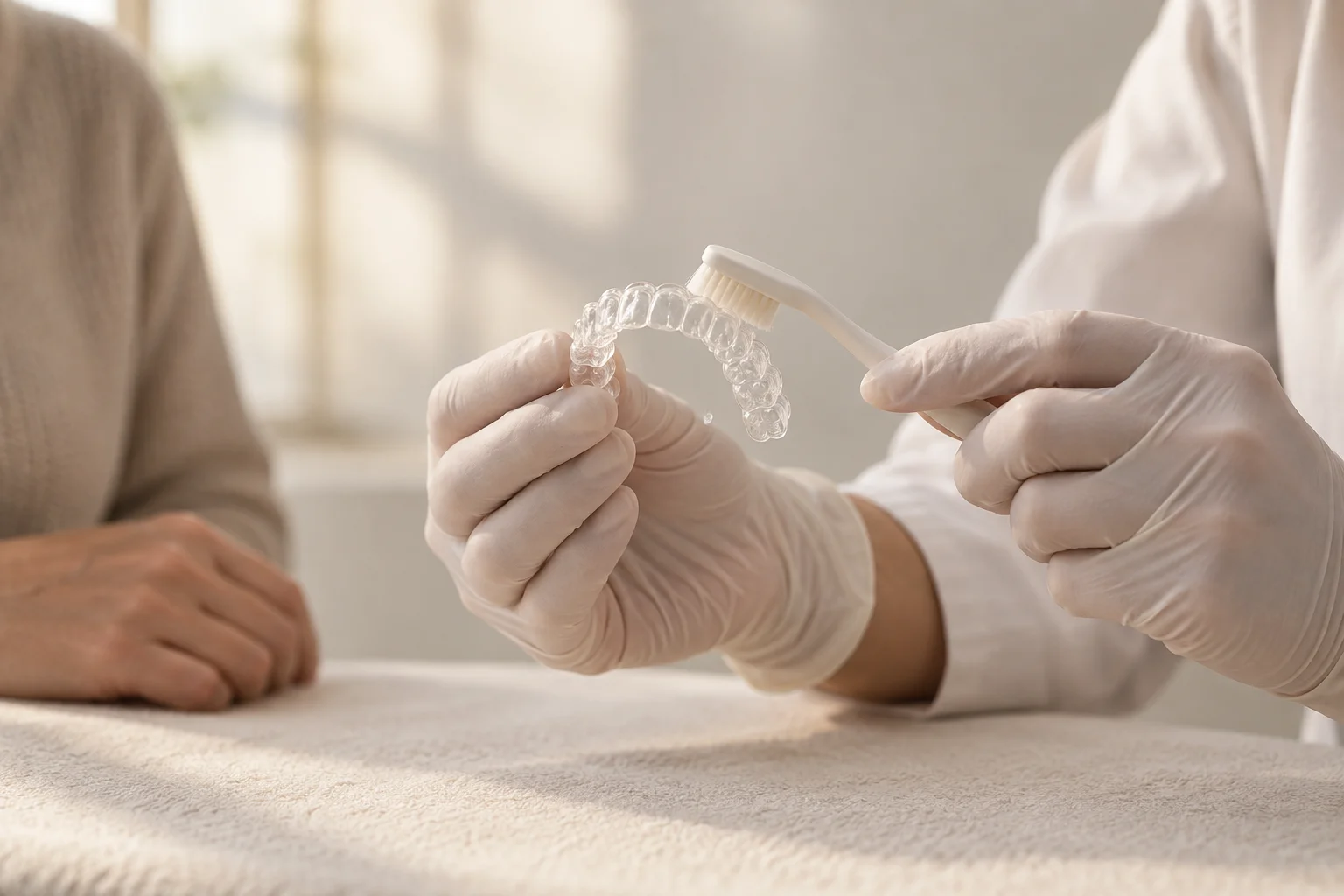
Remove aligners for eating and drinking other than water, so your diet remains unrestricted by the trays. Clean them daily with a soft toothbrush and clear water; avoid hot water. The transparent trays are barely noticeable at work or school; speaking may feel unfamiliar initially. The adjustment period varies.
For sports with injury risk or certain wind instruments, aligners can be removed briefly; when travelling, take the next trays in the series. Removability requires commitment to daily wear time to keep treatment moving at the planned pace.
YOUR CONCERNS
What is on your mind?
Visible braces affect working life
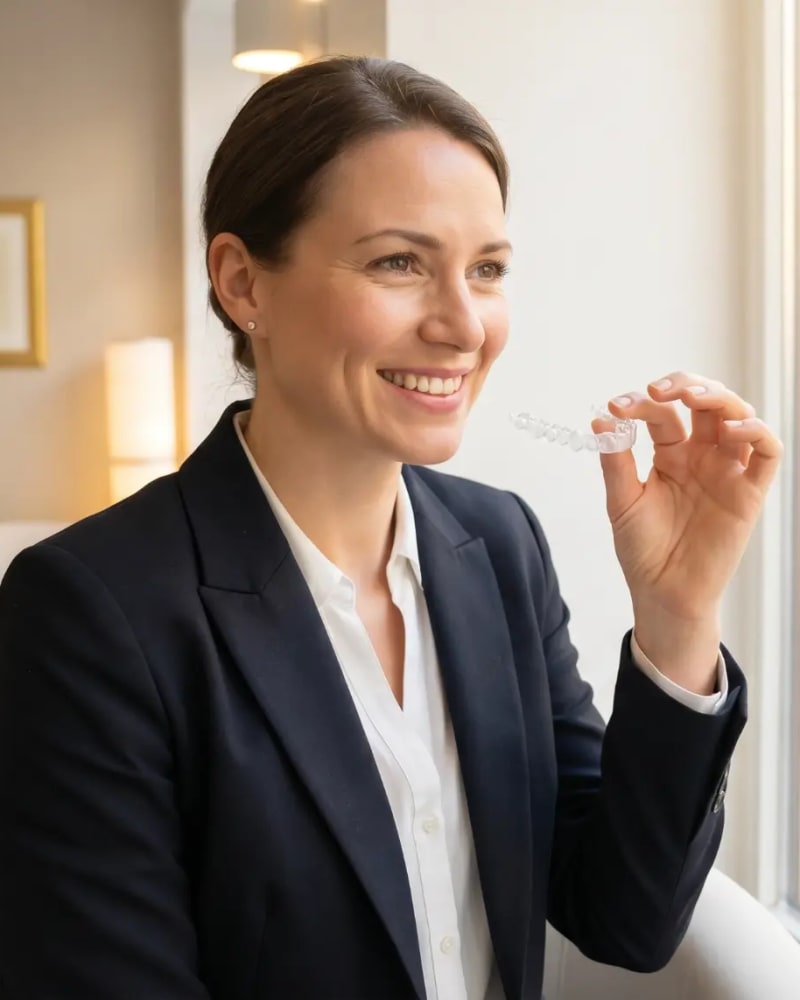
People working closely with clients or patients often prefer to avoid conspicuous metal braces. Clear aligners discreetly correct tooth position.
Fixed braces make oral hygiene harder
Brackets and wires make thorough cleaning more difficult. Removable aligners can simply be taken out for daily oral care.
Relapse after previous braces
If teeth have shifted slightly after stopping a retainer, a new aligner series may correct their position again.
SUITABILITY CHECK
Is this treatment right for you?
YOUR JOURNEY
Your treatment process
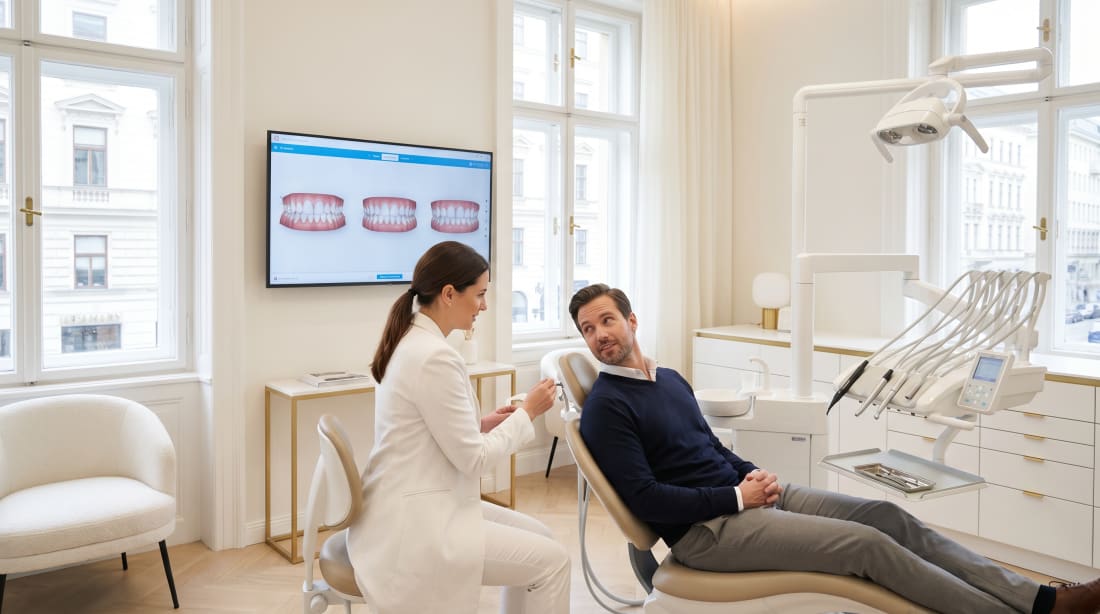
Individual initial consultation
Getting to know your goals and your teeth
We will discuss your goals and examine which treatment is best suited for your teeth.

Individual treatment planning
Defining the next steps together
You will learn which steps are planned and which questions should be clarified in advance.
Precise execution
Guiding you through your treatment step by step
Your treatment follows your personal plan. Please ask questions and tell us about any discomfort at any time.
Aftercare and check-ups
Discuss care and follow-up appointments
Finally, we will discuss ongoing care and the follow-up appointments that are right for you.
In everyday life
Aligners are most noticeable in your daily routine around meals: remove the tray before every meal and brush before putting it back. Speaking and smiling feel natural again after a brief adjustment period of a few days.
YOUR OPTIONS
TREATMENT OPTIONS COMPARED
Light
Invisalign: mild cases
A limited number of aligners for mild tooth misalignment, minor crowding or a mild relapse after previous orthodontic treatment.
Complex
Invisalign: complex cases
An unlimited number of aligners within the treatment period — for mild to moderate and somewhat more pronounced tooth misalignment.
We will discuss payment terms with you prior to treatment.
The indicative market prices in our price overview provide an initial guide. We will discuss which services are planned for you and the costs involved based on your examination findings and individual cost plan.
Advanced Dental Aesthetics & Implantology
Priv.Doz.Dr.Dr. K. Yerit
“Aesthetics is not a coincidence, but the result of precise planning and deep passion.”
For many of my patients, the discreet appearance of aligners is what makes tooth correction possible — modern orthodontics need not be conspicuous or restrict daily life.
View profile →Scientific references
Institute for Implantology and Digital Dentistry Vienna
Deutsche Gesellschaft für Kieferorthopädie (DGKFO)
Österreichische Gesellschaft für Kieferorthopädie (ÖGKFO)
Align Technology Clinical Research
European Orthodontic Society (EOS)
Yerit Practice – Dentist Vienna
Excellence
Why Smile4Life
Almost invisible
Clear aligners are barely noticeable day to day — suited to work and social situations.
Removable
You can remove the trays yourself for eating, drinking and oral hygiene.
Digital planning
Scan and ClinCheck illustrate the planned goal. At check-ups we assess the tooth movement actually achieved.
Better oral hygiene during treatment
Without brackets and wires, thorough tooth cleaning is easier than with fixed braces.
Removable, with possible additional aids
The trays are removable. Small bonded composite attachments or other aids may nevertheless be needed; irritation of the oral lining is possible.
Experienced specialist
Priv.Doz.Dr.Dr. K. Yerit supports your treatment with interdisciplinary expertise in orthodontics and dentistry.
Frequently asked questions
Frequently asked questions
Do you have a specific question about your diagnosis? Book a consultation appointment directly →
Questions about your treatment?
Discuss what matters to you and what the next steps look like with us.
Book your appointment nowYour orientation
Initial changes often appear after a few weeks; a retainer then supports stability. The long-term wear plan and check-ups remain important.
Understanding what’s involved
Treatment duration 6–24 months, aligner changes every 1–2 weeks and check-ups every 6–8 weeks. Wear time: around 20–22 hours daily.
In everyday life
Aligners are most noticeable in your daily routine around meals: remove the tray before every meal and brush before putting it back. Speaking and smiling feel natural again after a brief adjustment period of a few days.
Who this information is for
Invisalign is particularly suited to mild to moderate misalignment such as crowding, gaps or mild bite discrepancies — in adolescents once the transition to permanent teeth is complete and adults of any age. A ClinCheck simulation during the initial consultation helps establish individual suitability.
Important limitations
For severe misalignment, complex bite anomalies or skeletal discrepancies, we tend to recommend fixed braces or combined treatment — we clarify which option suits your individual starting situation together at the initial consultation.
Our approach
Aligners are an alternative with their own indications, rather than a replacement for fixed braces. Ke et al. (2019) and Muro et al. (2023) present a consistent picture: aligners work predictably for mild to moderate misalignment but reach limitations for complex movements — rotations, closing larger gaps and correcting bite relationships. If your case falls there, we recommend fixed appliances even if trays would be the more comfortable proposal.
The other issue raised early is wear time. Treatment effectiveness requires consistent wear. Supporting conditions are favourable: Oikonomou et al. (2021) report oral-hygiene advantages during treatment and Negrutiu et al. (2025) lower perceived pain compared with fixed braces. Both help. Neither takes away the need to choose to wear the trays.
SCIENTIFIC STUDIES
Aligners are an alternative with their own indications, rather than a replacement for fixed braces. Ke et al. (2019) and Muro et al. (2023) present a consistent picture: aligners work predictably for mild to moderate misalignment but reach limitations for complex movements — rotations, closing larger gaps and correcting bite relationships. If your case falls there, we recommend fixed appliances even if trays would be the more comfortable proposal.
The other issue raised early is wear time. Treatment effectiveness requires consistent wear. Supporting conditions are favourable: Oikonomou et al. (2021) report oral-hygiene advantages during treatment and Negrutiu et al. (2025) lower perceived pain compared with fixed braces. Both help. Neither takes away the need to choose to wear the trays.
Ke Y et al. (2019). A comparison of treatment effectiveness between clear aligner and fixed appliance therapies
The older review found differences in individual treatment objectives. Its heterogeneous studies do not support a general promise that aligners are faster or achieve a particular result.
30674307
Borda AF et al. (2020). Outcome assessment of orthodontic clear aligner vs fixed appliance treatment in a teenage population
A retrospective private-practice evaluation compared groups of 26 adolescents with mild malocclusions treated with aligners or fixed appliances. The aligner group showed better scores on the outcome index studied, fewer review and emergency appointments and shorter treatment duration. This small, non-randomised sample does not establish general equivalence or superiority for all adolescents.
33378505
Oikonomou E et al. (2021). Impact of Aligners and Fixed Appliances on Oral Health during Orthodontic Treatment
In the first weeks after treatment began, patients with aligners without additional attachments tended to show better oral health measures than those with fixed braces. However, the authors rated the certainty of this evidence as low to very low (Oral Health & Preventive Dentistry, 2021).
34874143
Negrutiu BM et al. (2025). Pain Perception and Dietary Impact in Fixed Orthodontic Appliances vs. Clear Aligners
Patients with fixed braces reported pain, need for painkillers and eating restrictions substantially more often than patients with clear aligners (Journal of Clinical Medicine, 2025).
40725752
Nemec M et al. (2026). Patients' needs, expectations & concerns regarding clear aligner treatment
A prospective cohort study of 82 Medical University of Vienna patients found that effectiveness comparable with fixed braces was the highest-ranked expectation among patients choosing clear aligner therapy (9.5 out of 10 points). They were scarcely willing to compromise on treatment duration or costs. A lasting result and prevention of future problems were also highly rated; discreet appearance mattered too, but ranked below expected effectiveness (Clinical Oral Investigations, 2026).
42209717
Nemec M et al. (2020). Behaviour of Human Oral Epithelial Cells Grown on Invisalign SmartTrack Material. Materials 13(23):5311. doi:10.3390/ma13235311
SmartTrack aligner material consists of polyurethane and copolyester; in the Medical University of Vienna laboratory study, it was not cytotoxic to oral mucosal cells but altered inflammatory markers, whose clinical significance remains uncertain (pubmed.ncbi.nlm.nih.gov, accessed 03.11.2026)
33255259
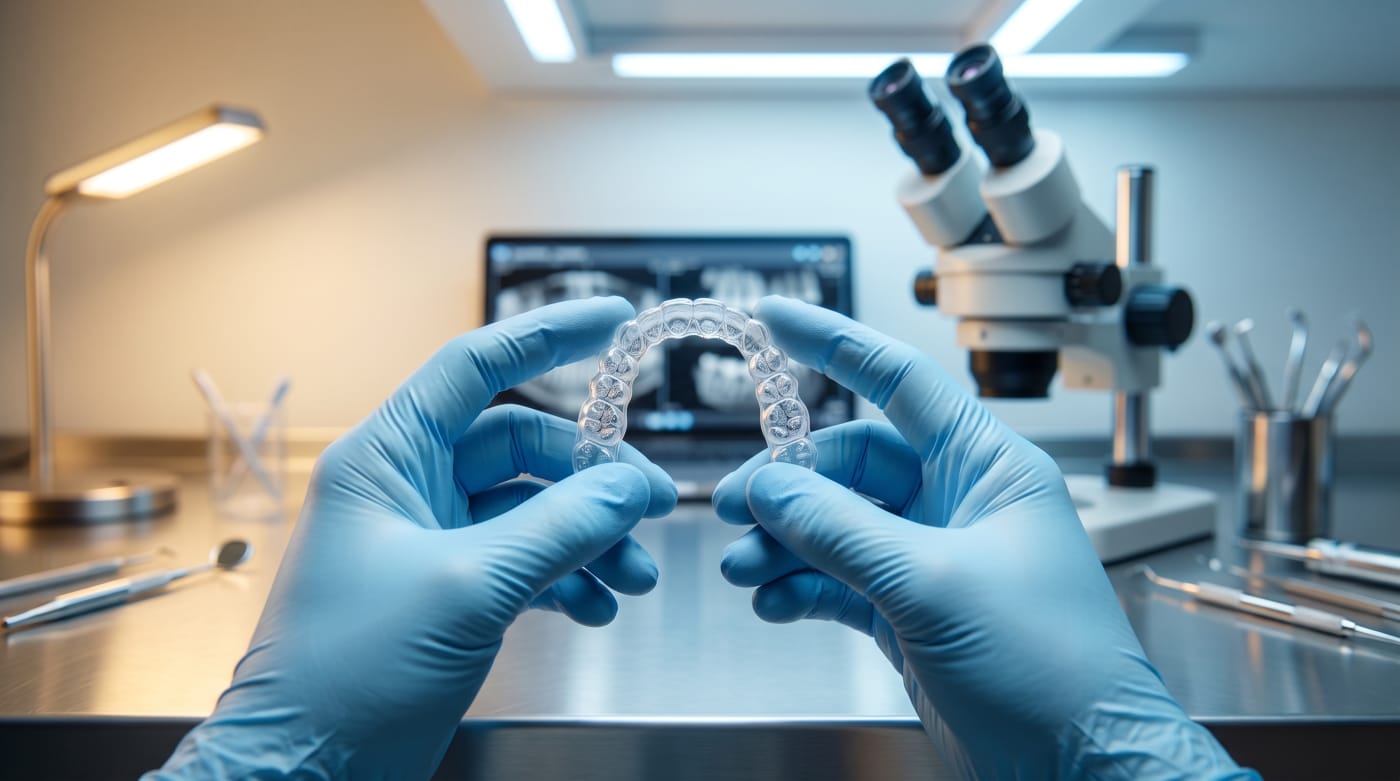
Clear aligners for your treatment plan
A simulation of the entire treatment is created from the 3D scan of your teeth. The aligner series is manufactured only once the target position has been established.
More topics in this area
Deepen your knowledge – find all information regarding the treatment process, costs, and results.



Kärntner Straße 9
100 meters from Stephansplatz, Innere Stadt.



Partnerships & Memberships & References