Wisdom tooth removal in Vienna: remove or monitor?
Not every wisdom tooth needs removing — imaging and an open conversation clarify which are causing problems
Oral and maxillofacial surgery
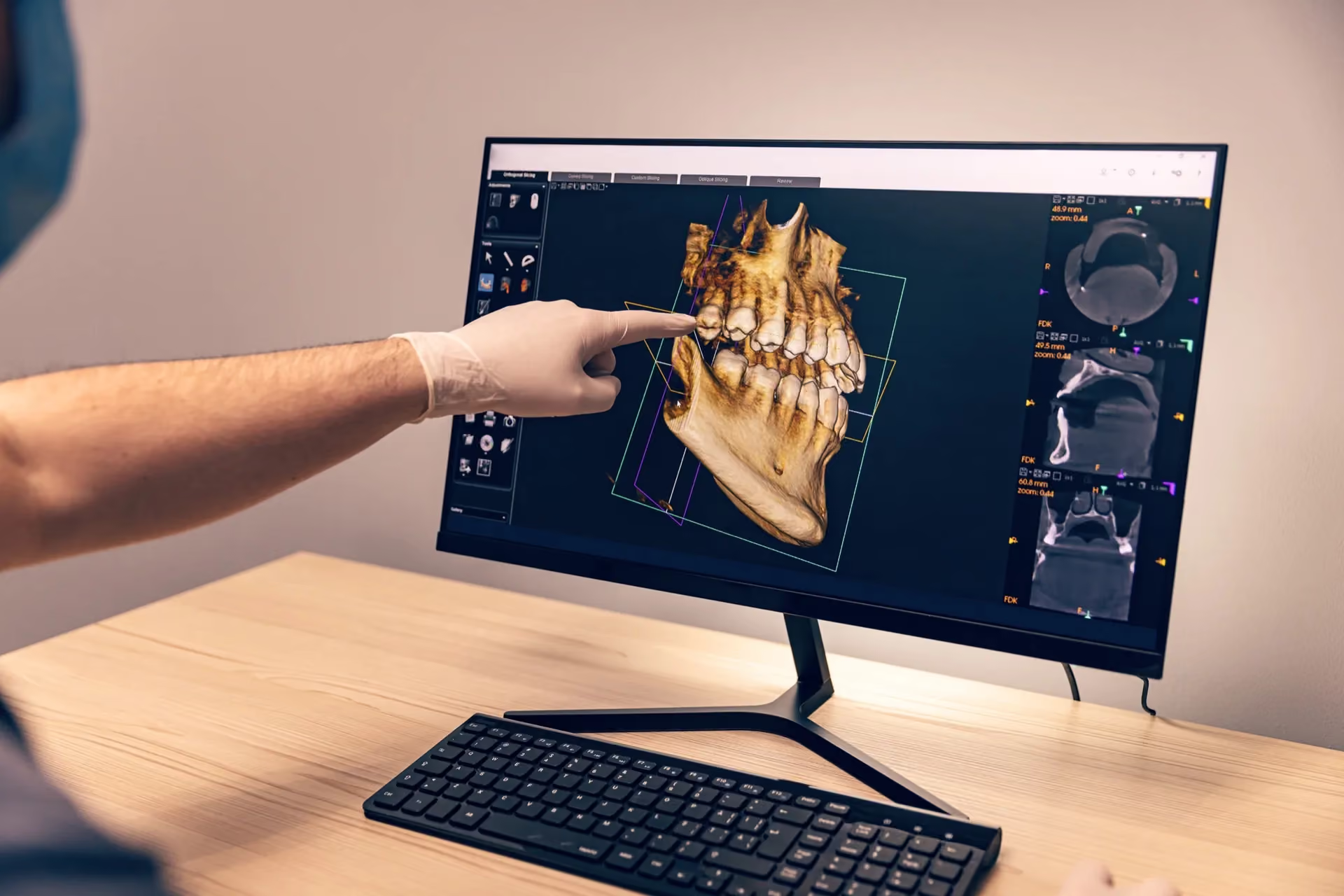
Panoramic & 3D X-rays
Discuss anaesthesia first
Assess each tooth individually
Wisdom Tooth Removal Vienna
weisheitszahn-entfernung-wien
4.9★
Doctify rating
25+
Years of experience
Personal
In-practice consultation
1010 Vienna
Kärntner Straße 9
At a glance
Why are wisdom teeth not removed routinely?
For symptoms or abnormal findings, we assess whether removal is appropriate.
Every removal is a procedure with consequences such as swelling, pain or temporary numbness. Comparative evidence for symptom-free, disease-free impacted wisdom teeth is limited. A Cochrane review could not identify a generally better approach. Findings, risks, your preferences and check-ups when retaining the teeth belong in the decision.*
How painful is wisdom tooth extraction?
Under local anaesthesia, you feel pressure and pulling but no sharp pain — tell the team immediately if you do. Wound pain is common afterwards; first-line treatment is anti-inflammatory medication such as ibuprofen, alone or with paracetamol.*
How long does healing after wisdom tooth surgery take?
Pain and swelling usually improve after one to two days and settle within about two weeks. Full healing of the wound in the bone takes longer. Contact us if symptoms increase again.*
Findings decide, not your year of birth.
When removal is justified
Recurrent gum inflammation over an erupting tooth, decay in the wisdom tooth or its neighbour, cysts or threatened damage to an adjacent root — these are clear medical indications for surgery.
Where we are cautious
For symptom-free impacted teeth, the evidence is thinner than often presented. We explain the arguments for both approaches and decide together rather than applying an age rule.

Wisdom teeth — each assessed individually
Not everyone has all four, and not every wisdom tooth needs removal. We assess each tooth individually according to its position, proximity to the lower jaw nerve and clinical findings.
Further detail
Remove or monitor: how is the decision made?
For symptoms or abnormal findings, we assess whether removal is appropriate. For symptom-free, disease-free teeth, possible risks of removal and retention are weighed together. Coronectomy may be an option for selected lower wisdom teeth with elevated nerve risk.
A British Health Technology Assessment evaluated four cohort studies and nine systematic reviews and found no direct comparison of preventive removal versus retention in the selection considered up to April 2016; comparative evidence was rated “very limited”. A separately calculated model suggested preventive removal might be more cost-effective, and 5.5 to 31.4 % of retained teeth eventually needed removing, depending on observation time (Hounsome et al., 2020). A model is not a substitute for a study — so we decide individually.
A Cochrane review including one randomised comparison and one cohort study could not determine a generally better approach for symptom-free, disease-free impacted wisdom teeth. Evidence for the examined endpoints was low to very low. Findings, personal preferences and regular checks when teeth are retained therefore belong in shared decision-making (Cochrane Review, 2020).
Nerve risk in the lower jaw
Lower wisdom-tooth roots sometimes lie immediately beside the inferior alveolar nerve. Where this distance is critical, coronectomy offers an alternative to complete extraction: only the crown is removed and roots deliberately remain in the bone. A meta-analysis of 34 studies with 7,115 wisdom teeth found a marked reduction in nerve-injury risk (relative risk 0.1), but a failure rate of 2.79 % and further surgery in 3.63 % of cases (Kang et al., 2025). We therefore use it selectively rather than routinely.
Does removal need to happen early in life?
The common recommendation to remove wisdom teeth preferably between 18 and 25 is less well supported than often assumed. An analysis of 554 impacted wisdom teeth found no statistically significant difference in sensory disturbances, postoperative bleeding or wound infection between patients under and over 30 — explicitly contrasting with newer publications (Dudde et al., 2024). Impaction depth does differ: older patients’ lower wisdom teeth lay deeper in the bone, making surgery more involved.
Healing and aftercare
The most common complication is alveolitis sicca, or dry socket. A Cochrane review of 49 studies with 6,771 participants puts frequency at 1 to 5 % for simple extractions but as high as over 30 % for surgically removed wisdom teeth, while finding that chlorhexidine rinses or gel measurably reduce risk (Daly et al., 2022). According to current guidance, non-steroidal anti-inflammatory drugs such as ibuprofen, alone or with paracetamol, are first-line treatment for postoperative pain (Green et al., 2024). Suitable painkillers and schedules depend on your medical conditions and other medication. Follow your treating provider’s personal recommendation. Details are available under Wisdom tooth pain in Vienna. Other procedures at the practice are shown in the oral and maxillofacial surgery in Vienna overview. YERIT also provides a clear introduction to wisdom tooth removal.
YOUR CONCERNS
What is on your mind?
Pressure and pain in the jaw
An erupting wisdom tooth presses against its neighbour or inflames the gum above it. We clarify the cause and what actually helps.
Findings without symptoms
An X-ray shows impacted wisdom teeth causing no problems. We explain the arguments for removal and retention openly.
Anxiety about surgery
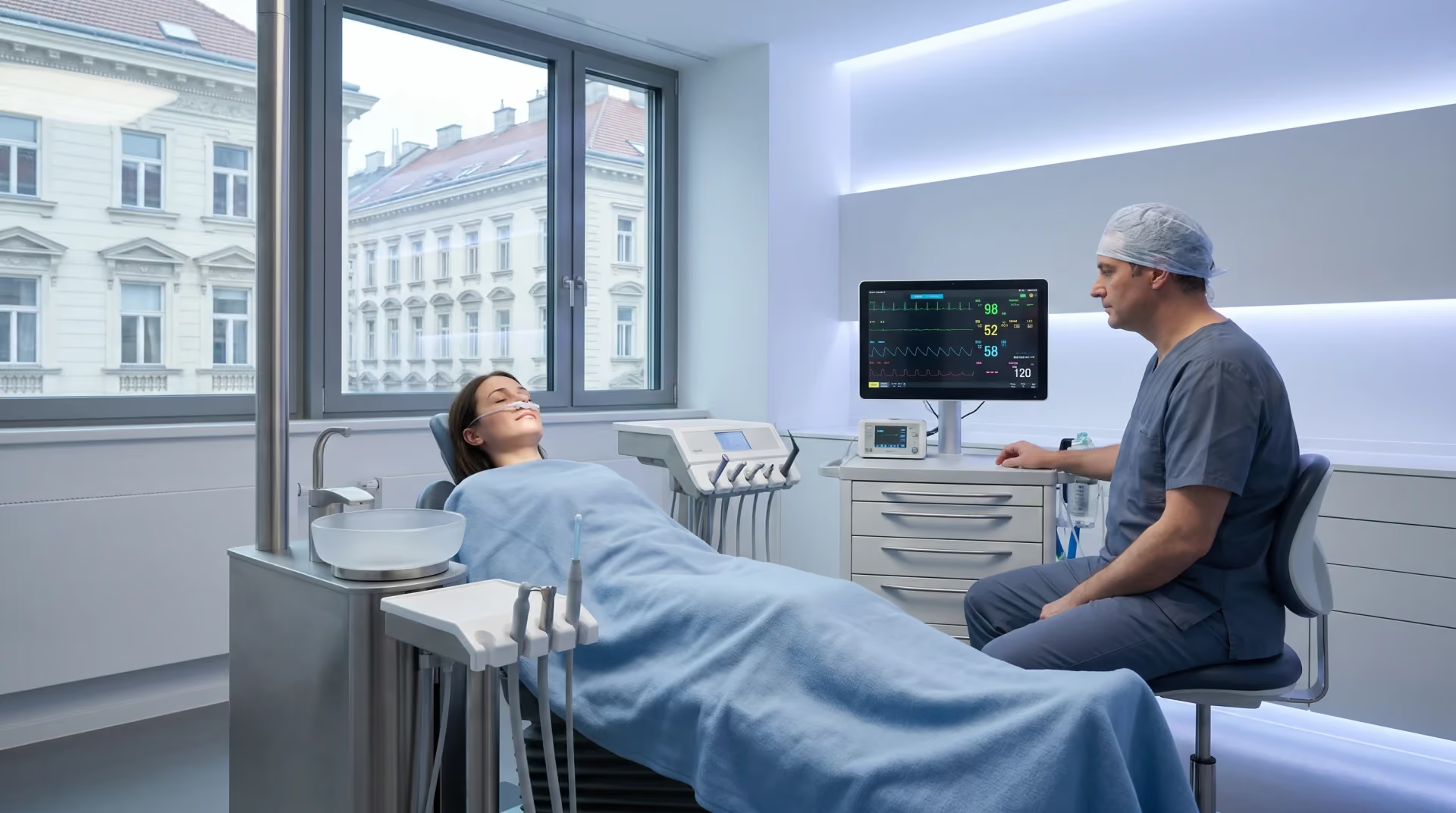
People postponing surgery usually have a good reason. Local anaesthesia, sedation or general anaesthesia — we discuss the options calmly. Smile4Life does not provide sedation or general anaesthesia at its own practice. Suitability, the responsible team and treatment location are clarified beforehand.
SUITABILITY CHECK
Is this treatment right for you?
YOUR JOURNEY
Your treatment process
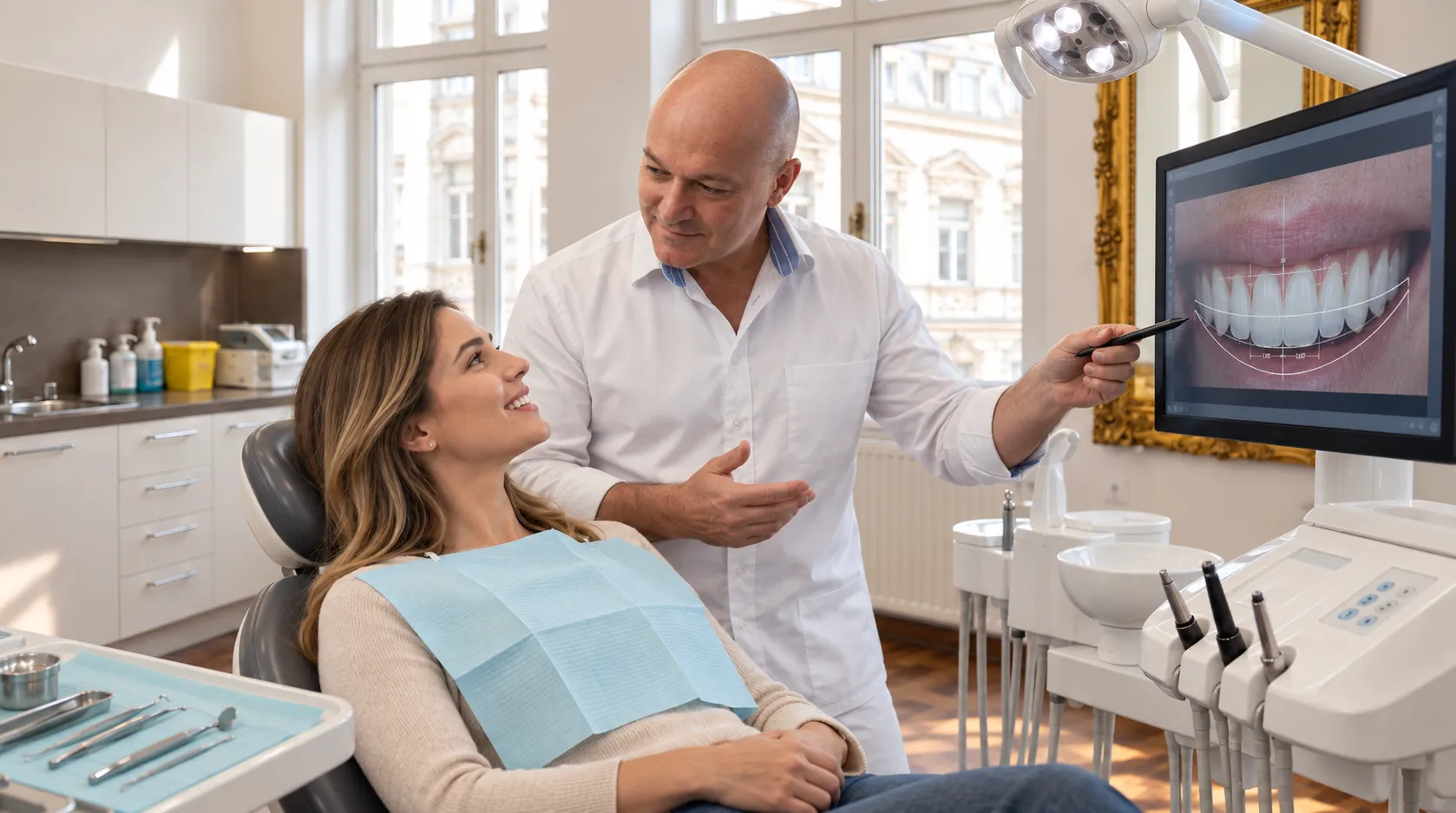
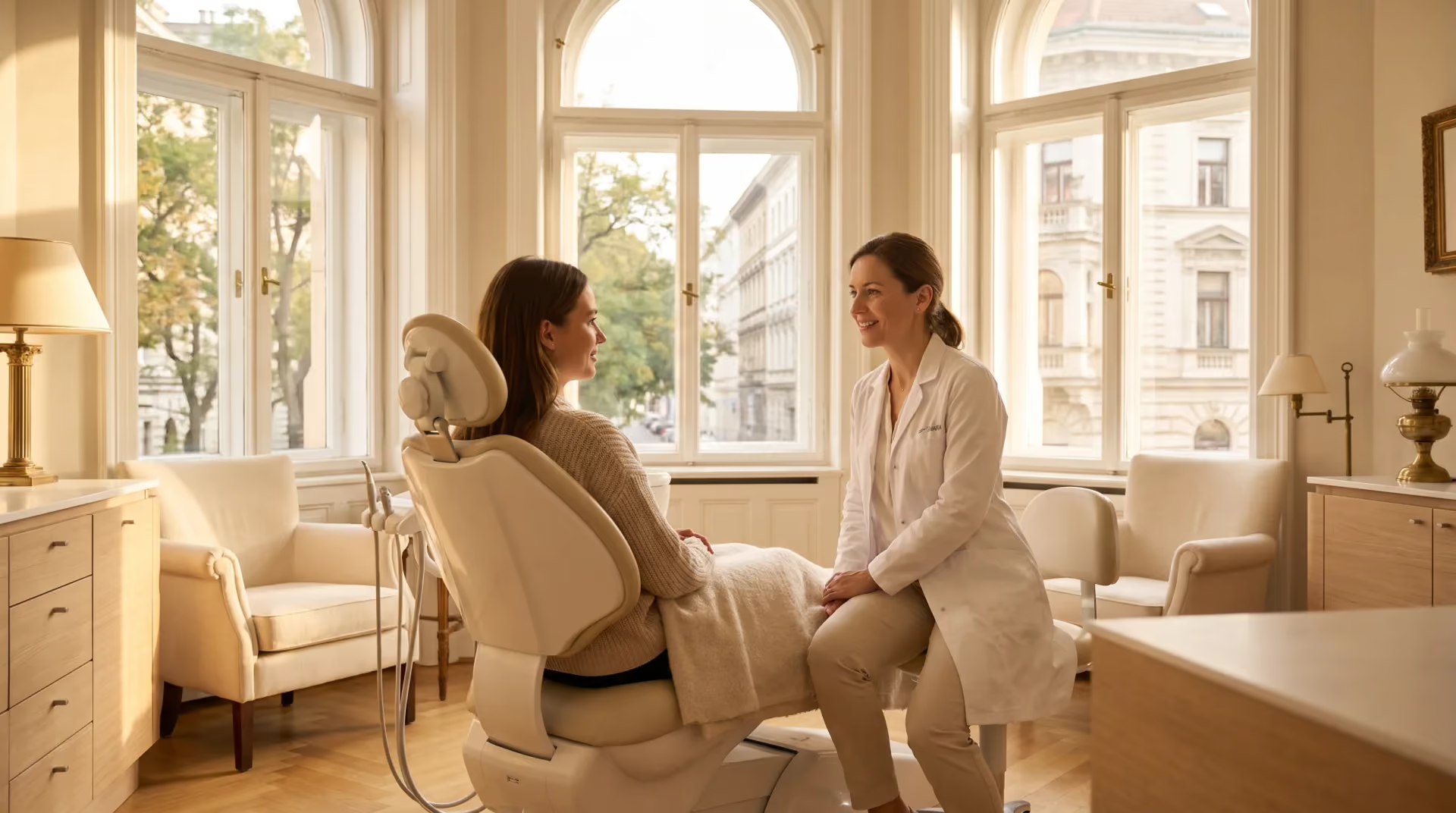
Individual initial consultation
Getting to know your goals and your teeth
We will discuss your goals and examine which treatment is best suited for your teeth.

Individual treatment planning
Defining the next steps together
You will learn which steps are planned and which questions should be clarified in advance.
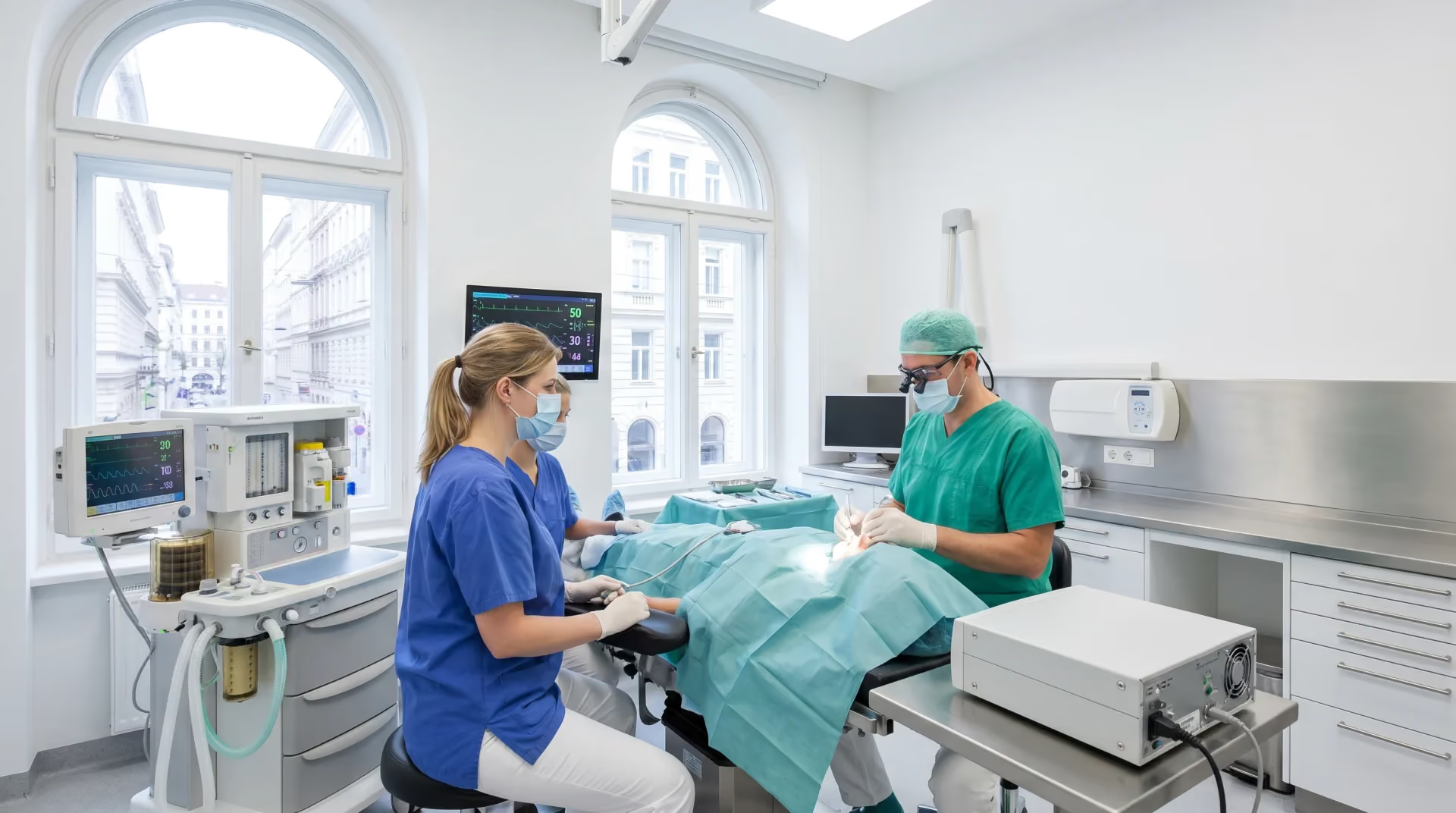
Precise execution
Guiding you through your treatment step by step
Your treatment follows your personal plan. Please ask questions and tell us about any discomfort at any time.
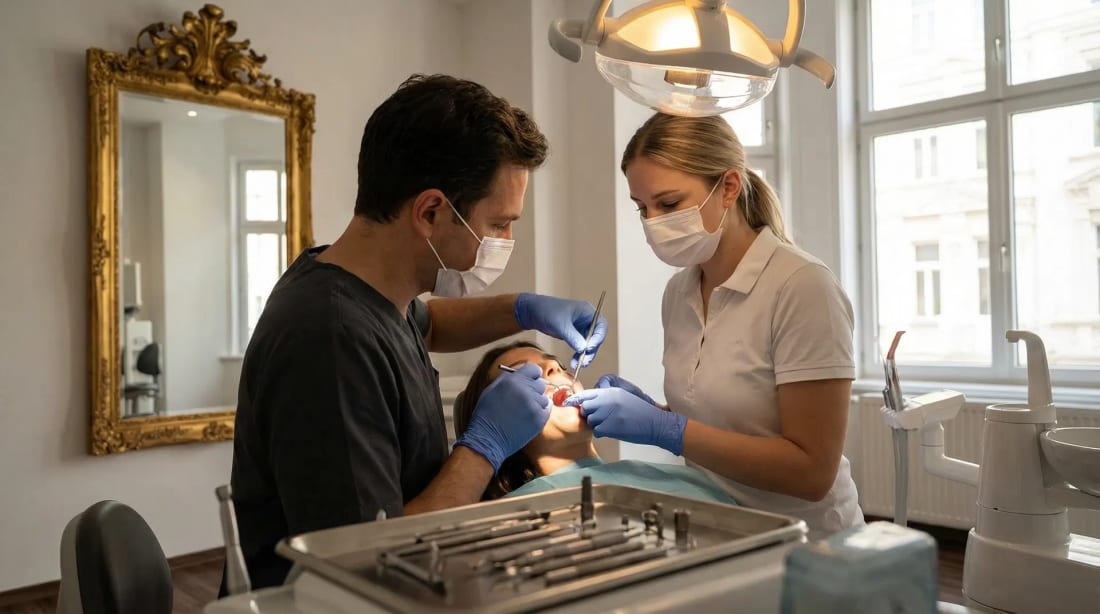

Aftercare and check-ups
Discuss care and follow-up appointments
Finally, we will discuss ongoing care and the follow-up appointments that are right for you.
In everyday life
Plan surgery when you can have two to three quiet days — this is when pain and swelling are most pronounced. Afterwards, improvement is usually rapid.
YOUR OPTIONS
TREATMENT OPTIONS COMPARED
We will discuss payment terms with you prior to treatment.
The indicative market prices in our price overview provide an initial guide. We will discuss which services are planned for you and the costs involved based on your examination findings and individual cost plan.
Advanced Dental Aesthetics & Implantology
Priv.Doz.Dr.Dr. K. Yerit
“Aesthetics is not a coincidence, but the result of precise planning and deep passion.”
A wisdom tooth causing no problems is a tooth, not a diagnosis. I recommend removal when there is a reason — and say just as clearly when there is not.
View profile →Scientific references
Institute for Implantology and Digital Dentistry Vienna
Medizinische Universität Wien
Österreichische Gesellschaft für Mund-, Kiefer- und Gesichtschirurgie (ÖGMKG)
European Association for Cranio Maxillo Facial Surgery (EACMFS)
Österreichische Zahnärztekammer
Yerit Practice – Dentist Vienna
Excellence
Why Smile4Life
Imaging before a recommendation
Panoramic or 3D imaging shows position, root shape and distance from the mandibular nerve — only then do we discuss the approach.
Consider the alternative too
If the root is critically close to the nerve, we assess coronectomy as a more conservative option, with its documented advantages and disadvantages.
Aftercare is included
Wound checks, stitch removal and a clear pain-management plan — you do not leave with only a medicine leaflet.
Frequently asked questions
Frequently asked questions
Do you have a specific question about your diagnosis? Book a consultation appointment directly →
Questions about your treatment?
Discuss what matters to you and what the next steps look like with us.
Book your appointment nowYour orientation
A removed wisdom tooth does not grow back; bone healing in the socket takes several months.
Understanding what’s involved
A diagnostic appointment, surgery itself (20 to 60 minutes depending on position) and a wound check with stitch removal after 7 to 10 days.
In everyday life
Plan surgery when you can have two to three quiet days — this is when pain and swelling are most pronounced. Afterwards, improvement is usually rapid.
Who this information is for
For patients with recurrent inflammation around the wisdom tooth, decay in it or its neighbour, cysts or imaging suggesting threatened damage to an adjacent root. Also for people wanting an unclear finding from another practice assessed calmly.
Important limitations
Acute extensive inflammation requires urgent planning according to the findings. Surgical drainage and treating the cause may already be necessary during acute infection; whether the wisdom tooth is removed then or later is decided individually. Blood-thinning medication, certain medical conditions and bisphosphonate therapy require special planning and sometimes coordination with your treating doctor. For symptom-free teeth without an abnormal X-ray finding, we advise against precautionary removal “just in case”.
Our approach
We remove wisdom teeth because findings justify it, not because an age has been reached. With inflammation, decay, cysts or threatened damage to an adjacent tooth, the decision is clear. With symptom-free impacted teeth, it is not: the British Health Technology Assessment found no direct comparative studies within its selection considered up to April 2016. The accompanying Cochrane review could not identify a generally better approach from the limited comparative evidence (Hounsome et al., 2020; Cochrane Review, 2020).
We also explain openly that the familiar “preferably between 18 and 25” age rule is less well supported than assumed: an analysis of 554 impacted wisdom teeth found no significant difference in nerve damage, postoperative bleeding or infections between patients under and over 30 (Dudde et al., 2024). What really matters is the individual tooth position — which we assess on the X-ray.
SCIENTIFIC STUDIES
We remove wisdom teeth because findings justify it, not because an age has been reached. With inflammation, decay, cysts or threatened damage to an adjacent tooth, the decision is clear. With symptom-free impacted teeth, it is not: the British Health Technology Assessment found no direct comparative studies within its selection considered up to April 2016. The accompanying Cochrane review could not identify a generally better approach from the limited comparative evidence (Hounsome et al., 2020; Cochrane Review, 2020).
We also explain openly that the familiar “preferably between 18 and 25” age rule is less well supported than assumed: an analysis of 554 impacted wisdom teeth found no significant difference in nerve damage, postoperative bleeding or infections between patients under and over 30 (Dudde et al., 2024). What really matters is the individual tooth position — which we assess on the X-ray.
Hounsome J et al. (2020). Prophylactic removal of impacted mandibular third molars: a systematic review and economic evaluation
The British Health Technology Assessment of 2020 included four cohort studies and nine systematic reviews; its search extended to April 2016. Within this selection, there were no direct comparative studies of prophylactic removal versus retention. For 20-year-olds, an exploratory British model estimated 11,741 pounds per quality-adjusted life year gained. Depending on follow-up, 5.5 to 31.4 percent of retained teeth were later removed. The model does not establish an individual cost advantage in Austria; current research must not be equated with this older selection.
32589125
Daly BJM et al. (2022). Local interventions for the management of alveolar osteitis (dry socket)
A Cochrane review of 49 studies with 6,771 participants found that chlorhexidine rinses before and 24 hours after extraction substantially reduced dry socket risk (odds ratio 0.38; moderate-certainty evidence), as did chlorhexidine gel placed directly in the socket (odds ratio 0.44). The review estimated dry socket frequency at 1 to 5 % after simple extractions, but up to over 30 % after surgical wisdom tooth removal (Cochrane Database of Systematic Reviews, 2022).
36156769
Green VG et al. (2025). Evidence-based clinical practice guidelines for the management of acute dental pain
A guideline panel convened by the American Dental Association assessed evidence using GRADE and formulated 18 recommendations: non-steroidal anti-inflammatory drugs (NSAIDs), alone or with paracetamol, are first-line treatment for acute dental pain after tooth extraction. According to the guideline, they are likely to provide better pain relief with a more favourable safety profile than opioids; opioids are reserved for situations where first-line treatment is inadequate or NSAIDs are contraindicated (American Journal of Emergency Medicine, 2025).
39764906
Kang FW et al. (2025). Coronectomy in Lower Third Molar Surgery: A Systematic Review and Meta-Analysis
A meta-analysis of 34 studies involving 7,115 wisdom teeth in 4,477 patients compared coronectomy — deliberately retaining the tooth root — with complete removal. In teeth at high risk for the lower jaw nerve, coronectomy substantially reduced nerve injury risk (relative risk 0.1 for the inferior alveolar nerve and 0.2 for the lingual nerve), as well as dry socket risk (relative risk 0.4). The trade-off was a failure rate of 2.79 % and a second procedure required in 3.63 % of cases (Journal of Oral and Maxillofacial Surgery, 2025).
39956152
Gaballah K et al. (2025). Pain control following impacted mandibular third molar surgery: a comparison of two protocols
This small, single-centre randomised study of 56 people compared two ibuprofen and paracetamol regimens after impacted lower wisdom tooth removal. The proportion reporting no pain did not differ statistically significantly between groups. Reported relief and additional medication use concern different measures and are not interchangeable success rates. The findings do not provide general dosing or administration instructions.
40181005
Dudde F et al. (2024). Impacted third molar surgery in older patients — Is patient's age really a risk factor for complications?
An analysis of 554 impacted wisdom teeth in 200 patients assessed whether age increases complication risk. It found no statistically significant difference between patients below and above 30 years in altered sensation involving the lower jaw or tongue nerves, postoperative bleeding or wound infections. Impaction patterns did differ substantially — older patients’ lower wisdom teeth lay deeper in the bone. The authors explicitly disagreed with more recent publications and pointed to other risk factors (Clinical Oral Investigations, 2024).
39375233
Wisdom tooth removal – NHS
After wisdom tooth removal, pain and swelling for up to two weeks are common and usually improve after one to two days; after more difficult removal or general anaesthesia, one to three days off work are often needed. Do not drive for 24 hours after a sedative injection or 48 hours after general anaesthesia (nhs.uk, accessed 03.11.2026).
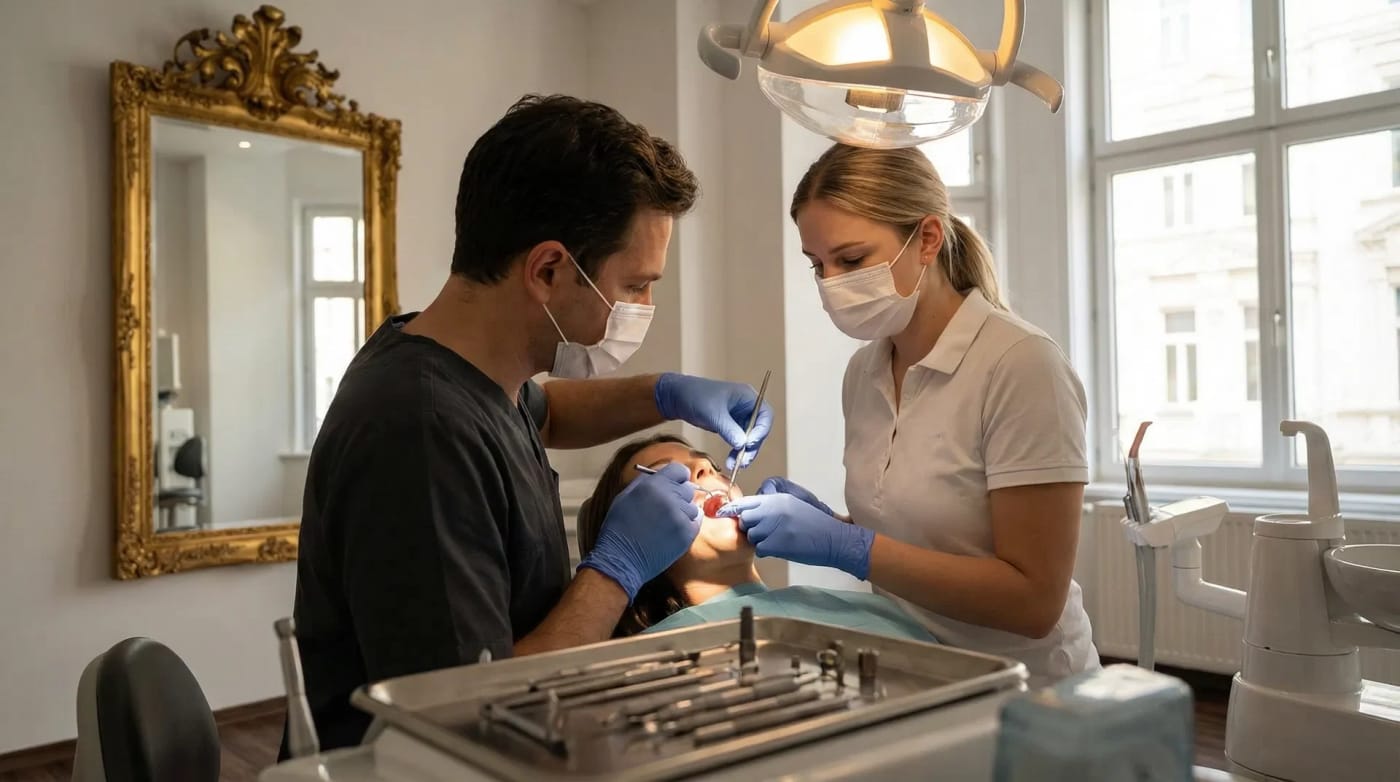
Imaging before the incision
For lower wisdom teeth, examination and suitable imaging help assess the position, roots and relationship to the lower jaw nerve. Additional CBCT is not routinely needed. Whether complete removal or, in selected situations, coronectomy is appropriate is decided individually.
More topics in this area
Deepen your knowledge – find all information regarding the treatment process, costs, and results.

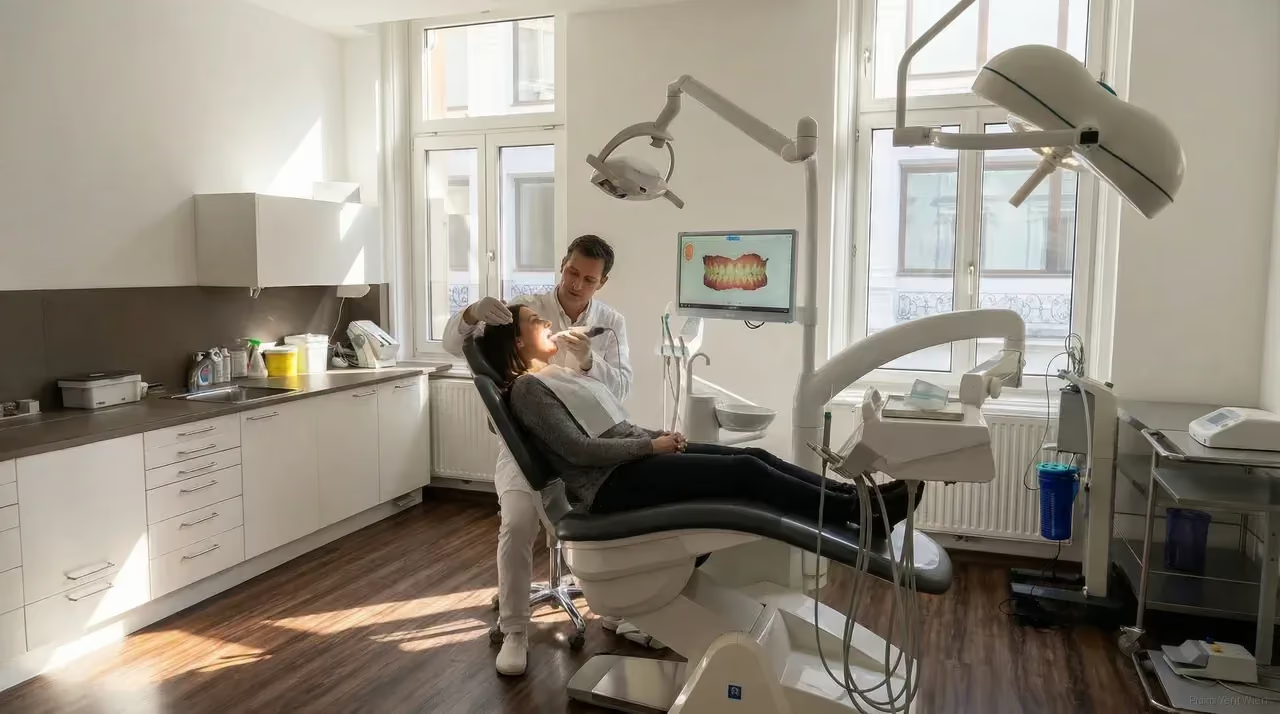
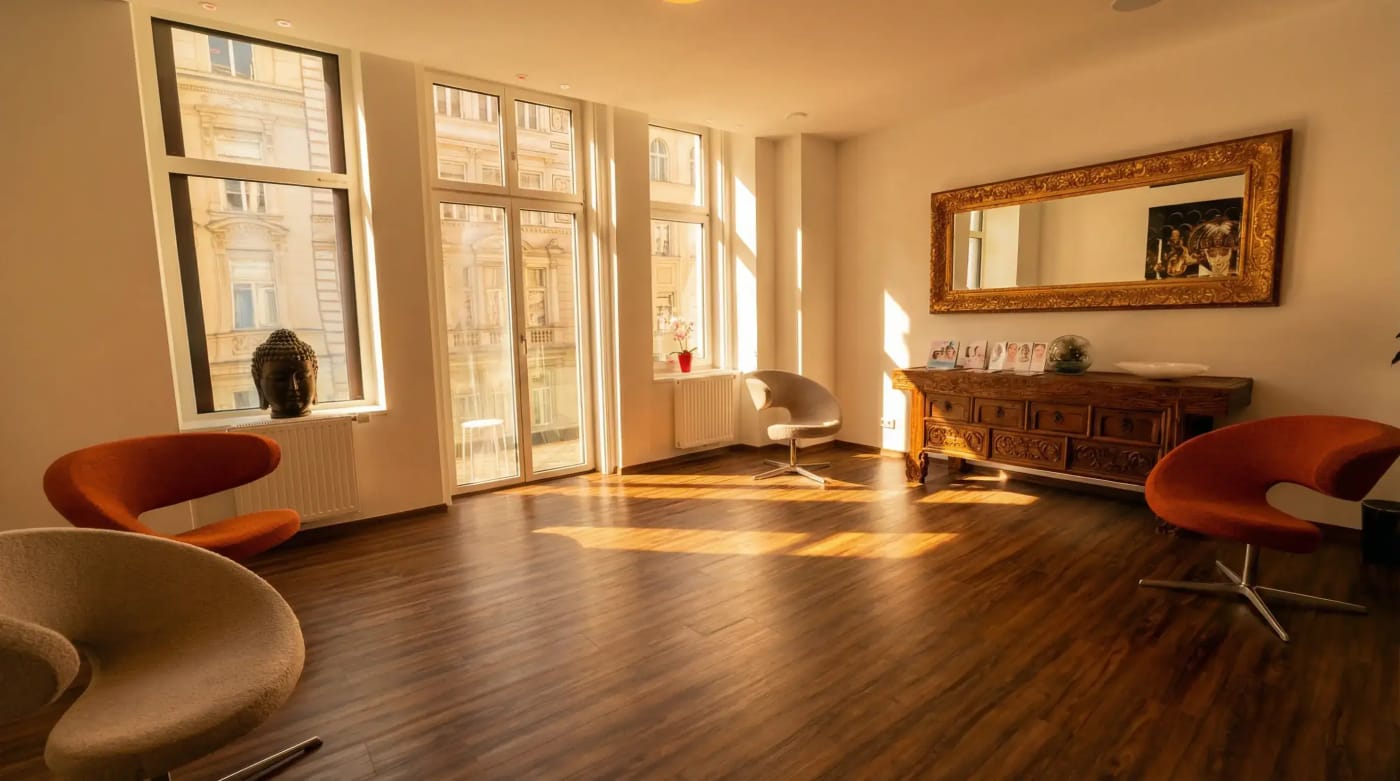
Kärntner Straße 9
100 meters from Stephansplatz, Innere Stadt.

Partnerships & Memberships & References