
If your dentist has mentioned jawbone loss, you may have questions or concerns. Many patients feel uncertain when they first hear about it.
Jawbone loss is relatively common, and its causes can often be treated. Acting early offers better possibilities. This guide explains what bone loss means, its causes and treatment options.
What Is Jawbone Loss?
Jawbone forms the foundation for your teeth. Like soil supporting tree roots, it holds them in place. As bone recedes, teeth lose support.
Bone loss means: Jawbone becomes less dense and loses height. Possible consequences include:
- Teeth loosen and may be lost
- Gums recede, making teeth appear longer
- Facial shape may change, with a sunken appearance
- Implant placement becomes more difficult or may no longer be possible
- Dentures lose stable support
Loss often progresses gradually over years, making early detection important.
What Causes Bone Loss?
Periodontitis: the main cause This chronic inflammation of the supporting tissues is the most common reason. Bacteria affect not only the gums but also the bone beneath. Many people remain unaware because the inflammation may be painless.
Tooth loss: When a tooth is missing, its loading of the bone is missing too. Like a muscle without exercise, unused bone recedes. This process begins within months of tooth loss; its extent and speed vary with the situation.
Chronic inflammation: Untreated root inflammation or ill-fitting restorations can cause persistent irritation, contributing to bone loss in the affected area.
General health and lifestyle: Osteoporosis, diabetes and certain medicines may adversely affect bone metabolism. Smoking increases periodontitis risk and may impair healing and treatment outcomes.
What Are the Warning Signs of Bone Loss?
Bone loss is often noticed late. Unlike decay or acute inflammation, it may not cause pain initially.
Take these signs seriously:
- Bleeding gums during brushing or spontaneously
- Teeth that suddenly loosen or move
- Receding gums, making teeth look longer
- An unpleasant taste or bad breath despite good care
- Changes when biting or chewing
- Swelling or abscesses in the gums
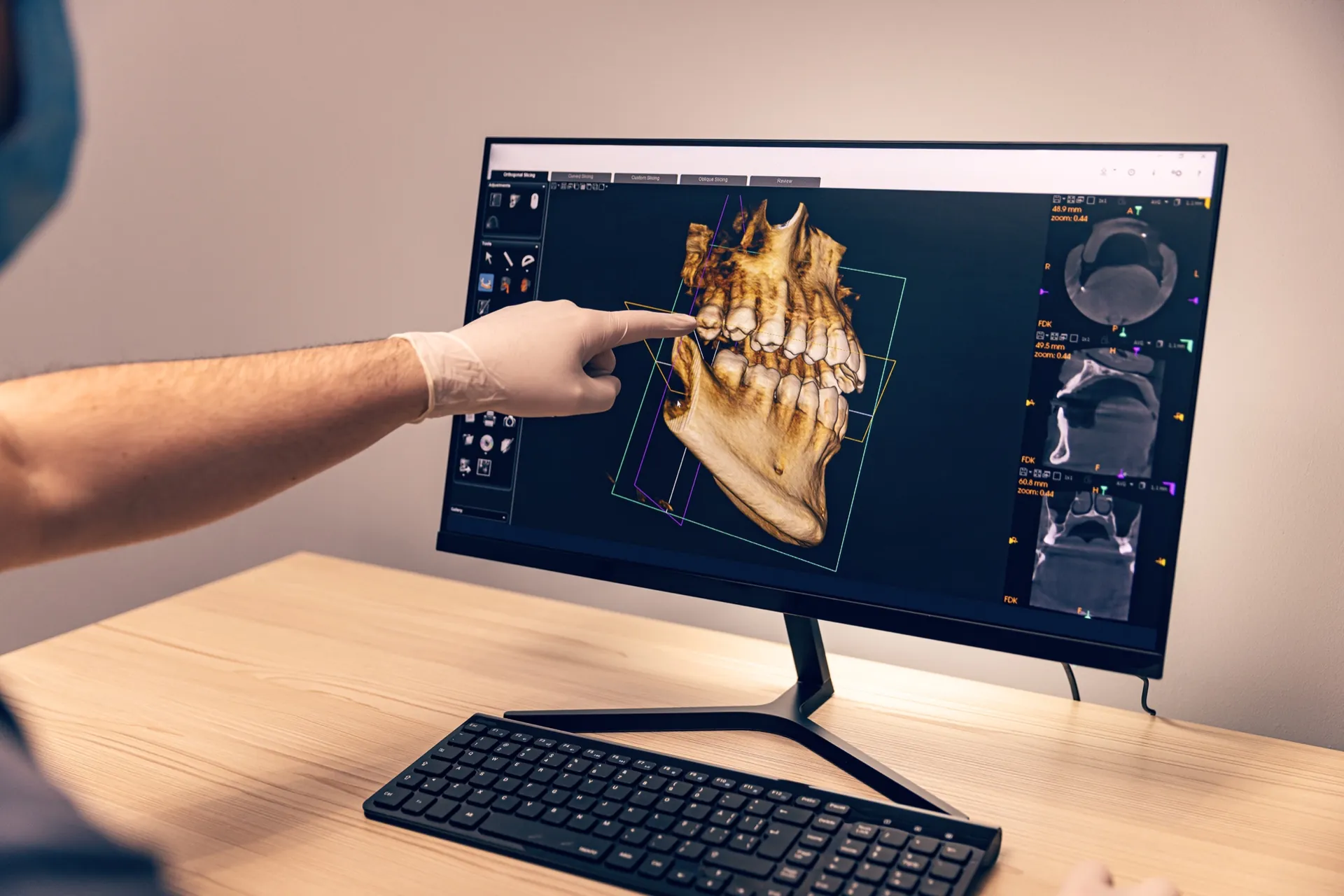
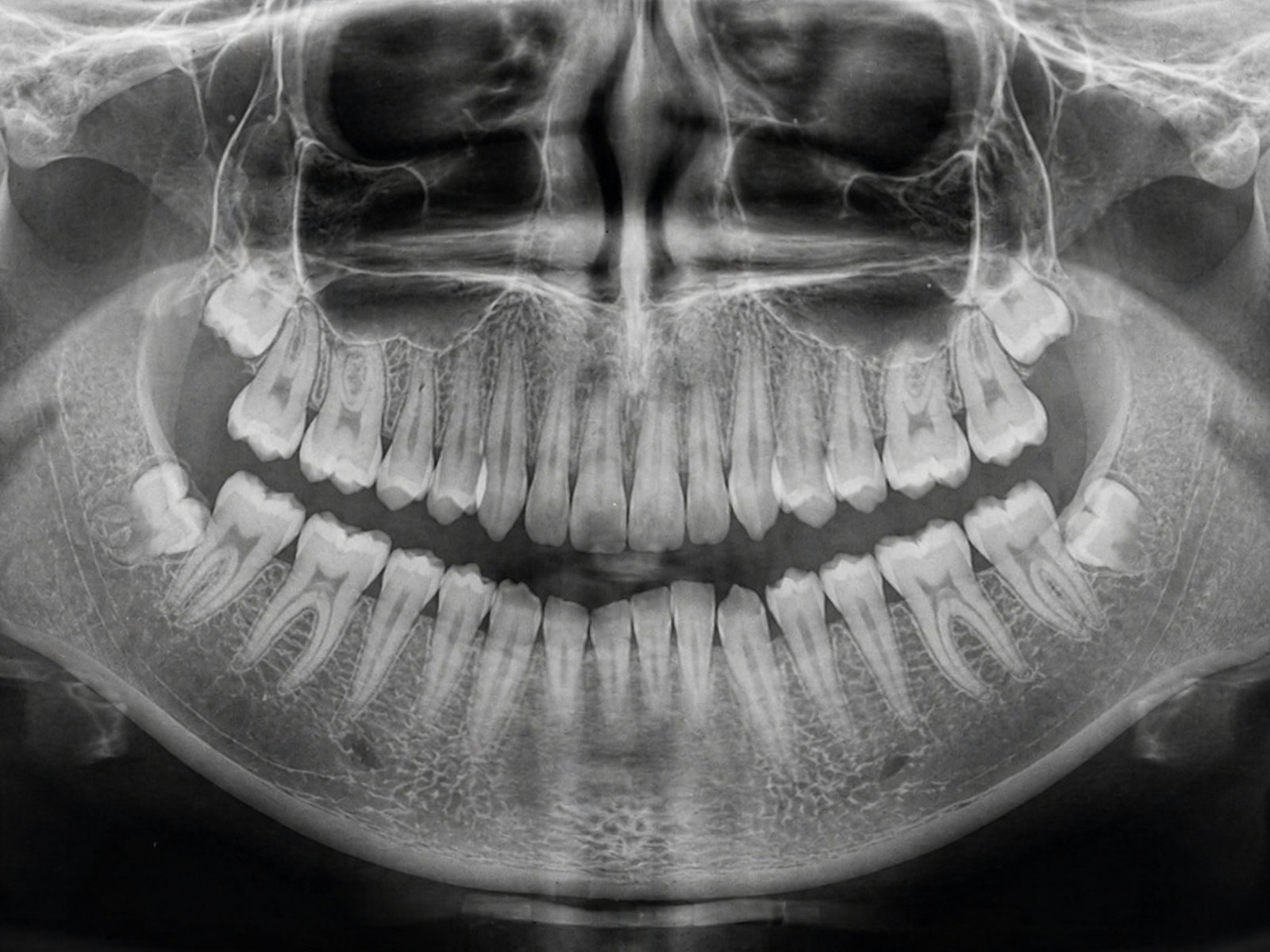
X-rays help assess the condition of jawbone. Regular examinations therefore matter for identifying problems early.
How Is Bone Loss Treated?
The cause of bone loss can often be treated. Whether lost volume can be rebuilt depends on the defect and treatment goal. Treatment is guided by the cause and extent of the problem.
For periodontitis: Systematic periodontitis treatment is the first step. Deposits and inflammation are treated. Long-term stability requires aftercare; regeneration of lost bone is possible only with suitable defects and procedures and cannot be promised generally.
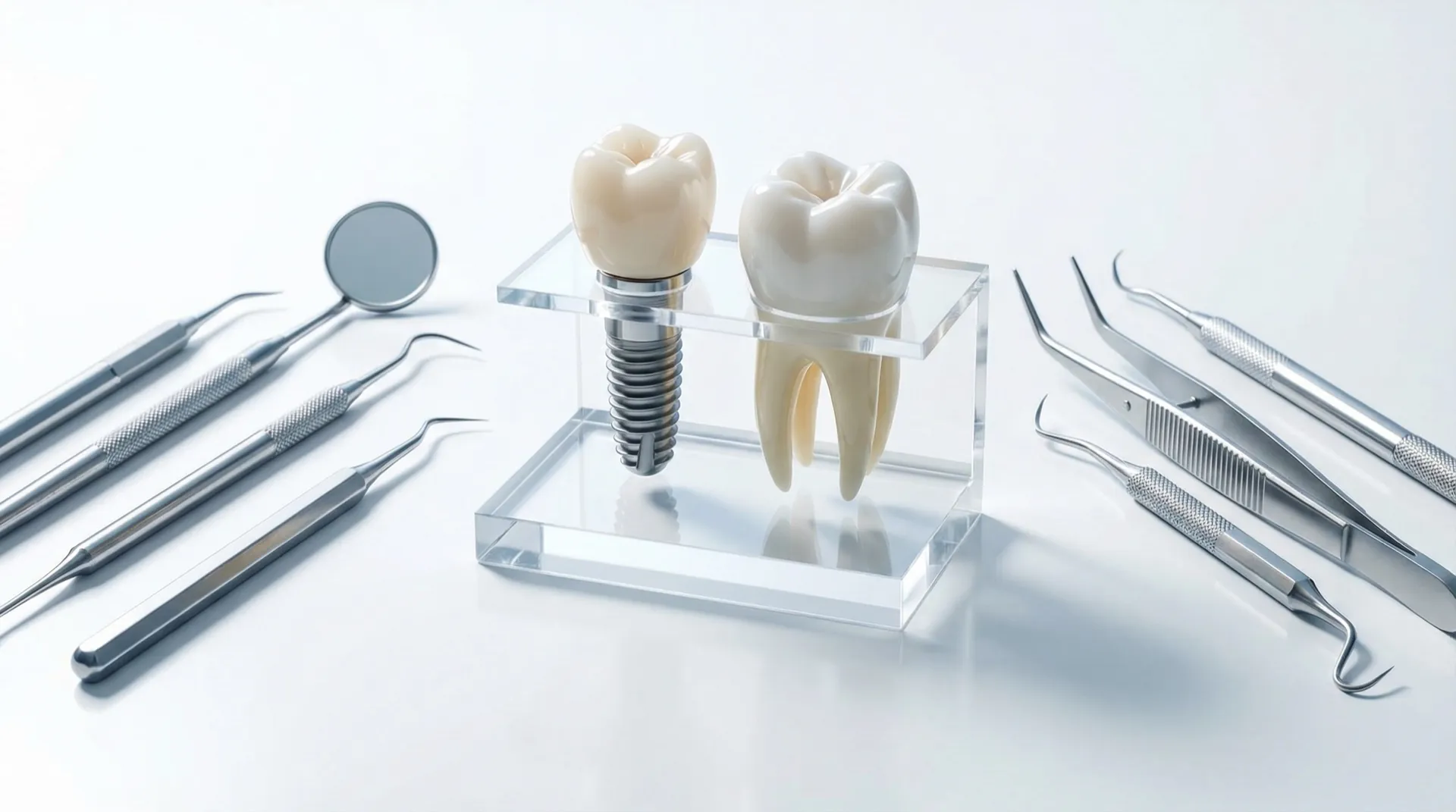
After tooth loss: We usually recommend dental implants. An implant transfers chewing forces to bone, but does not prevent every change. Inflammatory bone loss can also occur around implants.
Bone grafting: Where substantial bone has been lost, targeted grafting may rebuild it. The procedure places your own bone or a substitute in the affected area. Healing and implant timing depend on the defect, method and progress. Checks assess whether sufficient supporting bone has developed; secure support after a fixed number of months cannot be promised. Read more at Bone Grafting Vienna.
Prevention: Preventing progression is preferable. Regular dental checks, thorough oral hygiene and professional cleaning provide protection.
Contents

Your dental consultation in Vienna
Discuss which treatment may suit your teeth and clinical findings.
Learn morezahnimplantate-wien