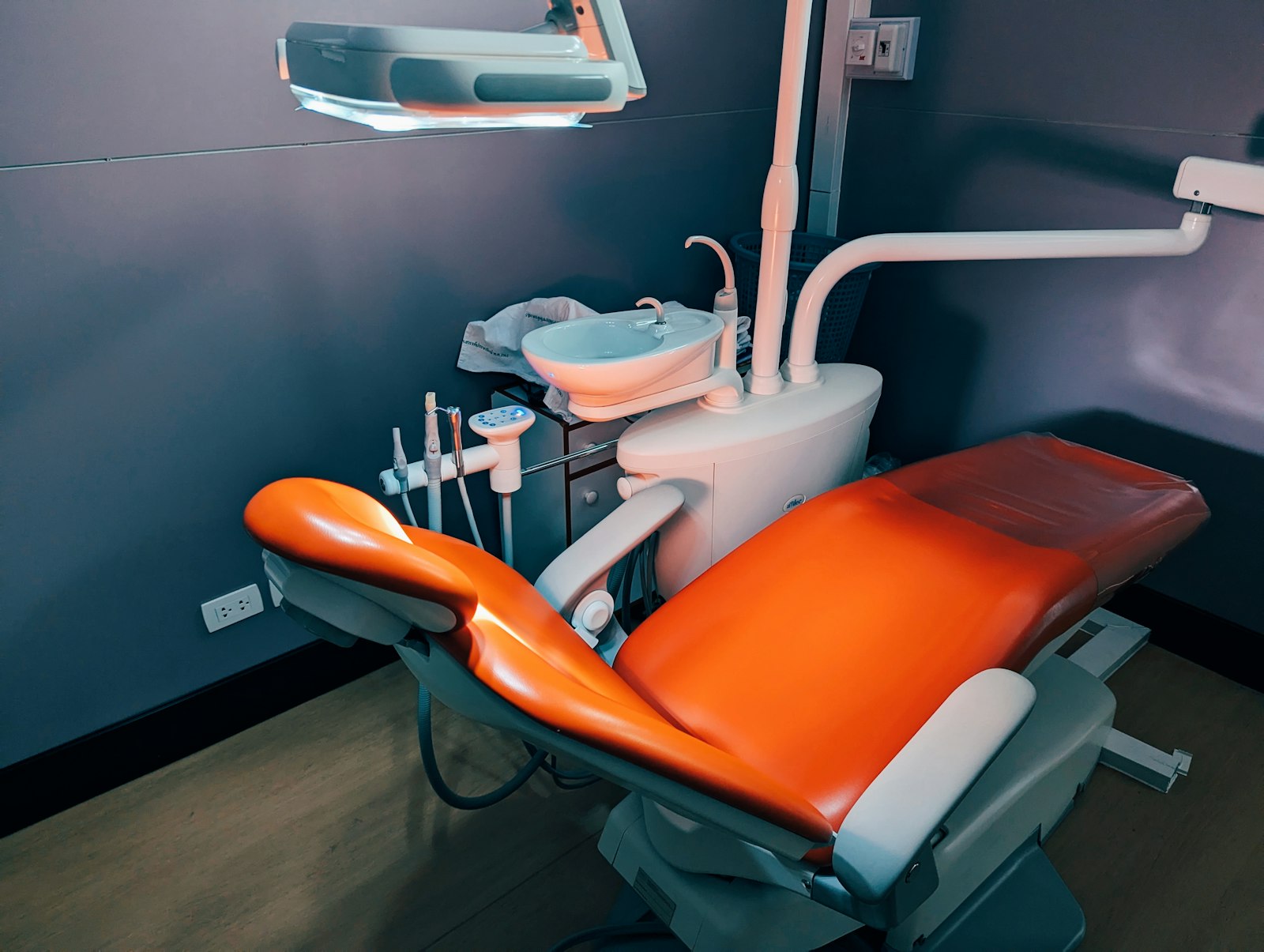

A racing heart in the waiting room, damp hands or an urge to leave: if this sounds familiar, you are not alone.
Dental anxiety is common and has real causes. Avoidance may feel helpful briefly but can make matters harder in the long term. Practical strategies and treatment approaches can help you work through anxiety; this article explains them.
Why Dental Anxiety Is Understandable, and Why Avoidance Can Be Harmful
Dental anxiety is not imaginary. Possible causes include difficult childhood experiences, loss of control, fear of pain and sensitivity to sounds or smells.
The difficulty with avoidance: Avoidance may seem a solution in the short term. Over time, however:
- Dental problems may worsen: small cavities can progress to inflammation, root canal treatment or tooth loss
- Emotional strain may develop, including embarrassment about teeth or avoiding smiling
- A cycle can form: waiting may make later treatment more involved and increase anxiety
- General health may be affected: gum inflammation is linked to cardiovascular and diabetes risks
Untreated dental problems can become more painful than their treatment. Taking the first step may be difficult, but allows problems to be assessed.
Practical Strategies for Dental Anxiety
Before the appointment:
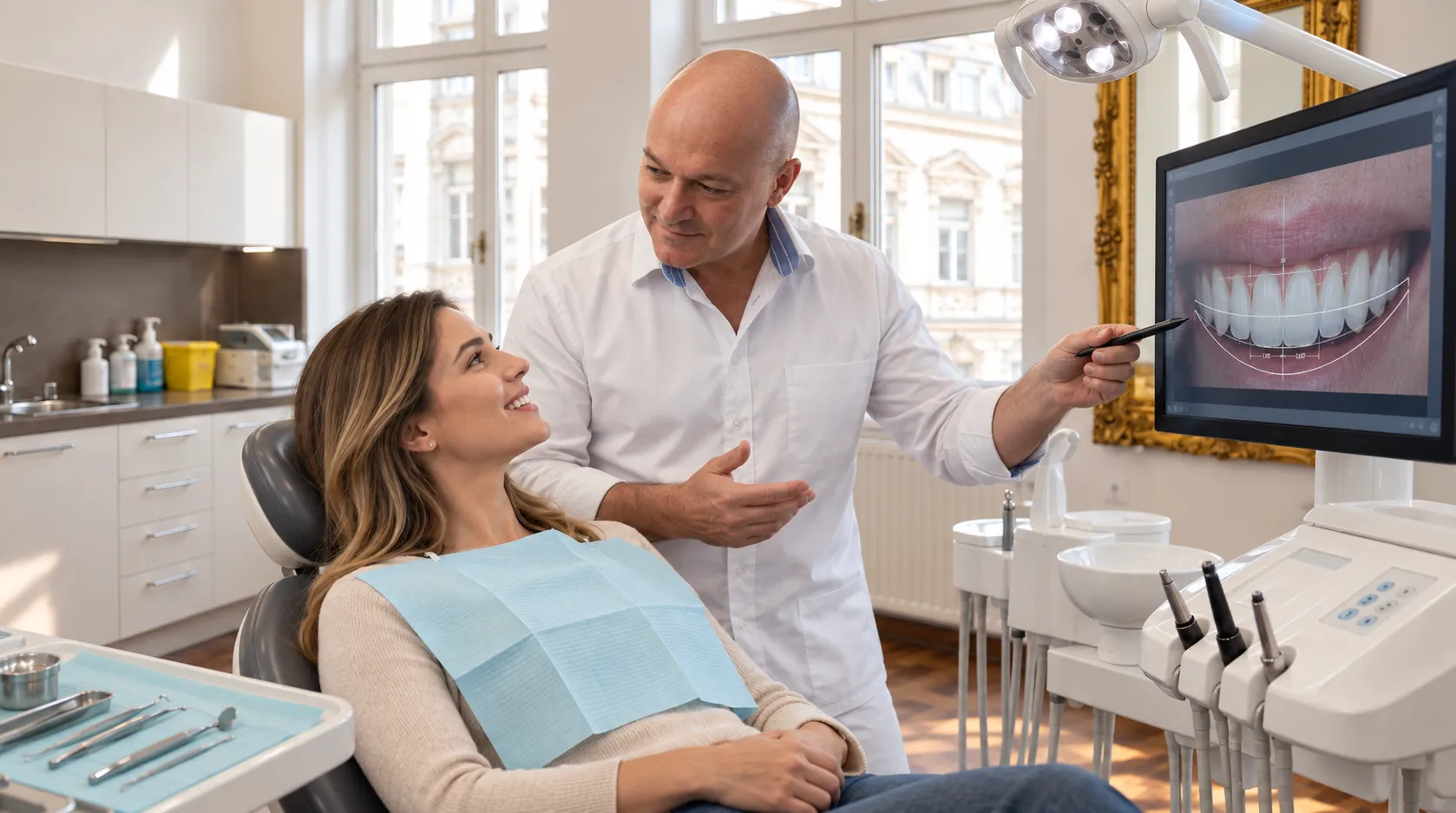
- Communicate openly: tell the dentist about anxiety so treatment can be adapted
- Maintain control: agree a hand signal to request a break at any time
- Breathing exercises: deep abdominal breathing before and during treatment may calm the nervous system
- Mental preparation: picture a positive, manageable appointment rather than frightening scenarios, and avoid alarming online stories
- Choose a suitable time of day, bring someone you trust and plan something pleasant afterwards. If sedation or anaesthesia is planned, follow the provider’s individual eating and drinking instructions.
Additional options for marked anxiety:
- Nitrous oxide sedation: may support relaxation; intended conscious sedation leaves you responsive. Suitability, risks and location need assessment with an appropriately qualified provider
- Hypnosis: work on negative thought patterns in a relaxed state
- Behavioural therapy: systematic desensitisation, gradually approaching the anxiety-provoking situation
How Dental Practices Support Anxious Patients
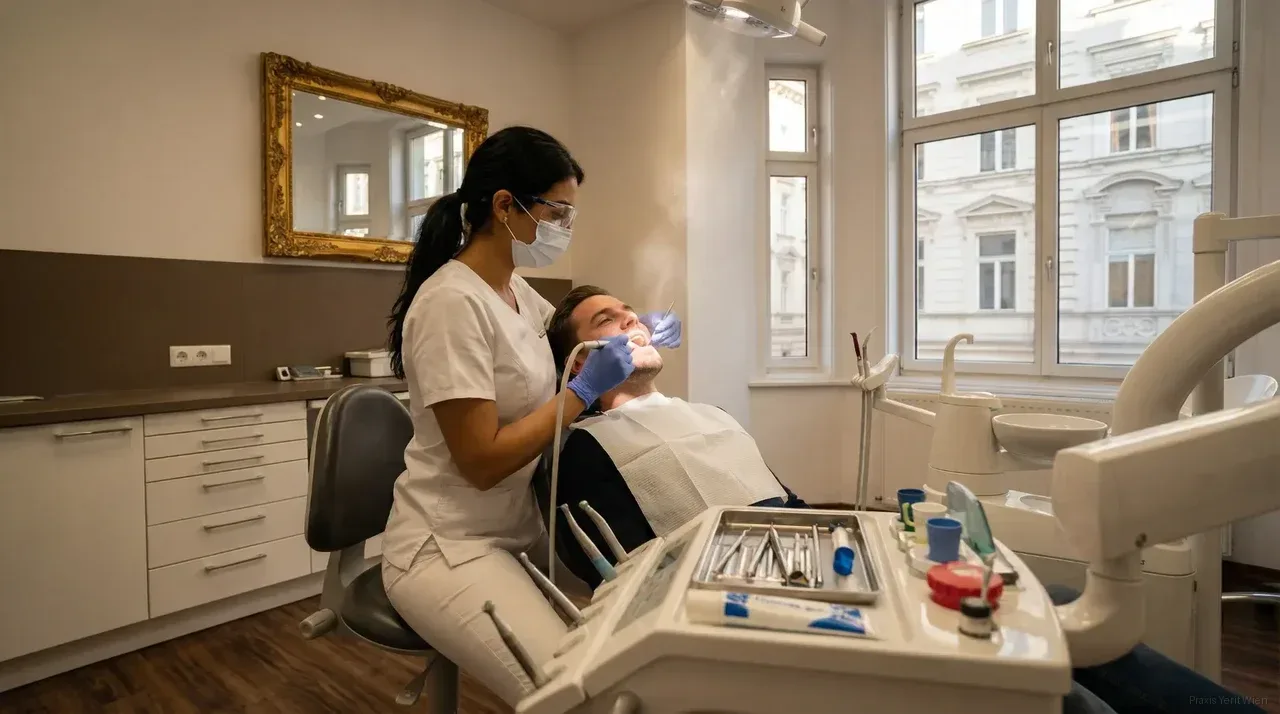
Practices such as Smile4Life Vienna adapt their approach for anxious patients.
Time and patience: The first appointment may simply be to get acquainted, without drilling. Steps are explained beforehand, with regular breaks and no pressure to rush.
Local anaesthesia: We discuss how to make local anaesthesia as comfortable as possible before treatment. Tell us what concerns you so the approach can be adapted.
Sedation options: Options range from nitrous oxide sedation to light sedation with medication and general anaesthesia, used only in exceptional cases. Smile4Life does not provide nitrous oxide sedation, light sedation or general anaesthesia in its own practice. Where needed, we discuss assessment by specialist external providers, who clarify requirements, location, monitoring and aftercare.
A considerate dentist takes your concerns seriously and works with you.
Contents

Your dental consultation in Vienna
Discuss which treatment may suit your teeth and clinical findings.
Learn morewurzelbehandlung-wien