Do you wake with headaches, has your partner heard grinding at night, or has your dentist found worn teeth? Teeth grinding affects many people, often unnoticed. Treatment options may help ease symptoms.
This guide explains bruxism, its possible consequences and the treatment options available.
What Is Bruxism? Teeth Grinding and Clenching Explained
Bruxism is the medical term for teeth grinding and clenching: rubbing or pressing the teeth together unconsciously, often during sleep.
Two main forms:
- Sleep bruxism: grinding or clenching during sleep
- Awake bruxism: unconscious clenching during the day, particularly in stressful situations
The strain involved: Grinding and clenching may place substantial strain on teeth and chewing muscles. The forces involved and whether damage develops vary individually; no general pressure figure can be inferred.
Causes: Why Do We Grind Our Teeth?
The cause is often unclear. Several factors usually interact.
Common contributing factors:
- Stress and psychological strain may play a role; the associations differ between awake and sleep bruxism
- Sleep disorders: difficulty falling or staying asleep may aggravate bruxism
- Tooth position and bite are assessed during examination; a supposedly incorrect bite is not an established explanation for bruxism
- Jaw joint problems: disturbances in the joint may contribute to clenching
- Medication: certain antidepressants may cause bruxism as a side effect
- Alcohol and caffeine: excessive consumption, particularly in the evening, may encourage night-time grinding
At Smile4Life Vienna, Priv.Doz.Dr.Dr. K. Yerit explores your individual contributing factors with you to identify appropriate treatment.
Symptoms: How Can You Recognise Teeth Grinding?
Many people do not realise they grind for years. Symptoms may develop gradually.
Typical signs:
- Morning headaches, particularly around the temples
- Tense, painful chewing muscles on waking
- Jaw pain or restricted mouth opening
- Worn tooth surfaces, identified by your dentist
- Sensitive teeth due to worn enamel
- Cracks or chips in teeth
- Tension in the neck and shoulders
- Ringing or pressure in the ears
- A partner reports grinding sounds at night
A single symptom does not automatically mean bruxism. If several signs occur together, arrange an assessment.
Consequences of Untreated Teeth Grinding
Do not ignore symptoms. Untreated grinding can have significant consequences.
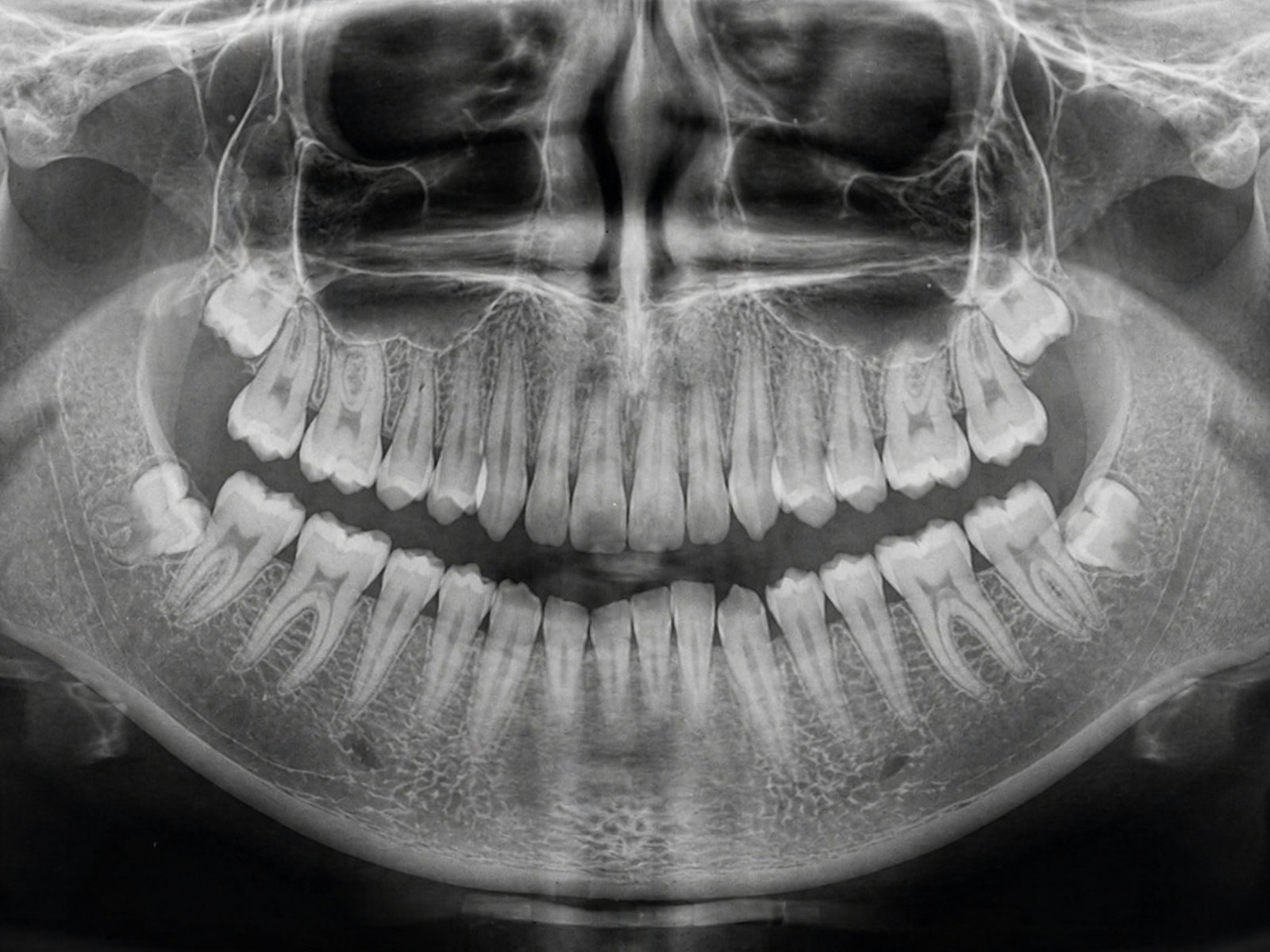
Tooth damage: Repeated clenching forces can seriously affect your teeth. Enamel, the hardest substance in the body, may wear away and does not grow back once lost. Without protective enamel, sensitive dentine is exposed, making teeth sensitive to cold, heat or sweet foods. Cracks, chips and loose teeth may also develop; in severe cases, teeth may break.
Jaw joint problems: Prolonged excessive loading affects the jaw joint as well as the teeth. Bruxism and temporomandibular disorders (TMD, termed CMD in German) may occur together. TMD describes problems involving the jaw joint and chewing muscles; grinding alone does not automatically explain them. TMD may cause chronic pain in the jaw, face, head, neck and even back. Some patients have difficulty opening their mouth.
Other health effects: Tension in the chewing muscles may radiate. Chronic headaches, neck pain and disturbed sleep can substantially affect quality of life. Some patients develop tinnitus or dizziness.
Treating Bruxism: What Are the Options?
Bruxism can be managed. Beginning early helps protect your teeth and health.
Occlusal Splint: Conventional Protection The occlusal splint, also called a grinding splint, is a standard treatment. It is made individually for your mouth and worn at night, preventing direct rubbing between the upper and lower teeth and protecting against further wear. It protects enamel and may ease symptoms depending on the clinical findings; any public-insurance contribution needs individual clarification. A splint does not treat the cause: grinding may continue on the splint rather than on the teeth. For many patients, this is already helpful.
Botulinum Toxin Treatment for Bruxism The botulinum toxin treatment may be considered in adults. It temporarily reduces chewing-muscle activity but does not remove the cause of bruxism. The evidence is of low quality, and use for bruxism is off-label. Suitability, risks and alternatives must be discussed beforehand. Combining treatment with a splint may be considered. Onset and pain relief vary; the often-quoted 3–6 months is not a fixed duration. Whether repeat treatment is appropriate must be reassessed.
Physiotherapy and Relaxation Techniques Chewing muscles may benefit from targeted relaxation. Physiotherapy with specific exercises may ease tension. Progressive muscle relaxation, autogenic training, meditation or yoga may support coping with tension. Effects on grinding or symptoms vary individually.
Stress Management If stress is a main trigger, addressing it may form part of treatment. Stress management does not eliminate grinding for everyone. Professional psychological support may be useful in persistent cases.
Self-Care for Teeth Grinding
You can take steps alongside professional treatment.
Everyday suggestions:
- Conscious release: notice your jaw during the day and relax it when your teeth are touching
- Sleep hygiene: regular sleep times, a cool bedroom and no phone before bed
- Evening routine: consciously relax before going to sleep
- Reduce stimulants: cut down on caffeine and alcohol, particularly in the evening
- Warmth for tension: warm compresses over the chewing muscles may help them relax
- Gentle massage: massage tense areas gently with circular movements
These measures do not replace professional treatment, but may support it. If you notice several of the symptoms described, arrange a consultation and have an examination.
Contents

Your dental consultation in Vienna
Discuss which treatment may suit your teeth and clinical findings.
Learn morewurzelbehandlung-wien