
A loose tooth in adulthood can be unsettling. Unlike children’s loose milk teeth, a loose permanent tooth may indicate a significant problem. In many cases, appropriate treatment can help stabilise it.
This guide explains possible causes of loose teeth and what you can do.
Why Has My Tooth Suddenly Become Loose?
A tooth usually becomes loose for an identifiable reason: its support in the jaw is compromised.
Common causes of loose teeth:
- Periodontitis: inflammation of the supporting tissues is the most common cause, with loss of jawbone
- Teeth grinding: night-time grinding places considerable strain on teeth and jaws and may cause loosening
- Accidents or impacts: trauma can loosen teeth even without visible external damage
- Gum inflammation: this should be assessed; in periodontitis, deeper supporting tissues are also affected
- Bone loss: osteoporosis or other conditions may reduce support in the jaw
Identifying the cause is essential for appropriate treatment. A loose tooth should not be ignored.
Can a Loose Tooth Become Firm Again?
This depends on the cause and stage. Early treatment offers a better chance of stabilisation.
For mild loosening caused by inflammation, professional cleaning and improved oral hygiene may help. Whether this stabilises the tooth depends on the cause and condition of the supporting tissues.
For periodontitis, targeted periodontitis treatment is needed. Bacteria are removed from gum pockets and inflammation is addressed. In many cases, the tooth becomes more stable afterwards.
With advanced bone loss, splinting may help. Several teeth are joined to stabilise the loose tooth. Splinting does not replace treatment of the cause or, on its own, promise bone regeneration. Read more in our article Jawbone Loss.
For teeth grinding, the dentist may prescribe an occlusal splint. It protects against further night-time loading and gives the supporting tissues an opportunity to recover.
Important: Acting early improves the prospects. A tooth with only slight mobility can often be stabilised fully.
Is a Loose Permanent Tooth a Serious Problem?
A loose permanent tooth is a warning sign. Unlike milk teeth, permanent teeth are not meant to become loose.
Possible consequences without treatment:
- Progressive loss of support: the tooth may become looser and eventually be lost
- Spread of inflammation: untreated periodontitis can affect neighbouring teeth
- Bone loss: delaying treatment may allow more jawbone loss, complicating later tooth replacement
- Pain and infection: loose teeth can become inflamed and cause symptoms
The good news: Timely treatment can prevent tooth loss in many cases. Arrange a dental assessment promptly rather than waiting to see what happens.
How Long Can a Tooth Remain Loose?
A loose tooth should not remain untreated for a prolonged period. There is no safe waiting period.
After an accident or impact, a loosened permanent tooth should be examined by a dentist immediately. Internal injuries are not always visible from outside. Do not wait to see whether it becomes firm again by itself.
With chronic causes, such as periodontitis or grinding, mobility may progress. Have the cause assessed promptly rather than waiting for a particular deadline.
Important: After an accident, seek dental help immediately; there is no general 48-hour waiting period. Without an apparent accident, have a newly loose tooth examined promptly.
For severe pain, swelling or visible injuries, see a dentist immediately, including outside regular opening hours.
What Can I Do Until My Appointment?
You can take steps to protect the tooth until your dental assessment.
Avoid loading the affected tooth: Chew on the other side if possible and avoid hard foods. Additional strain may worsen mobility.
Pay particular attention to oral hygiene: Brush gently but thoroughly. An antibacterial mouthwash may help limit inflammation. Avoid forceful movements that put additional strain on the tooth.
For swelling, apply a cold compress: A cold compress on the outside may ease inflammation and pain. Never press directly on the tooth.
Clean the area gently: The practice should show you suitable cleaning aids and how to use them according to the cause of the mobility. Avoid additional strain on the tooth.
Periodontitis: The Main Cause of Loose Teeth
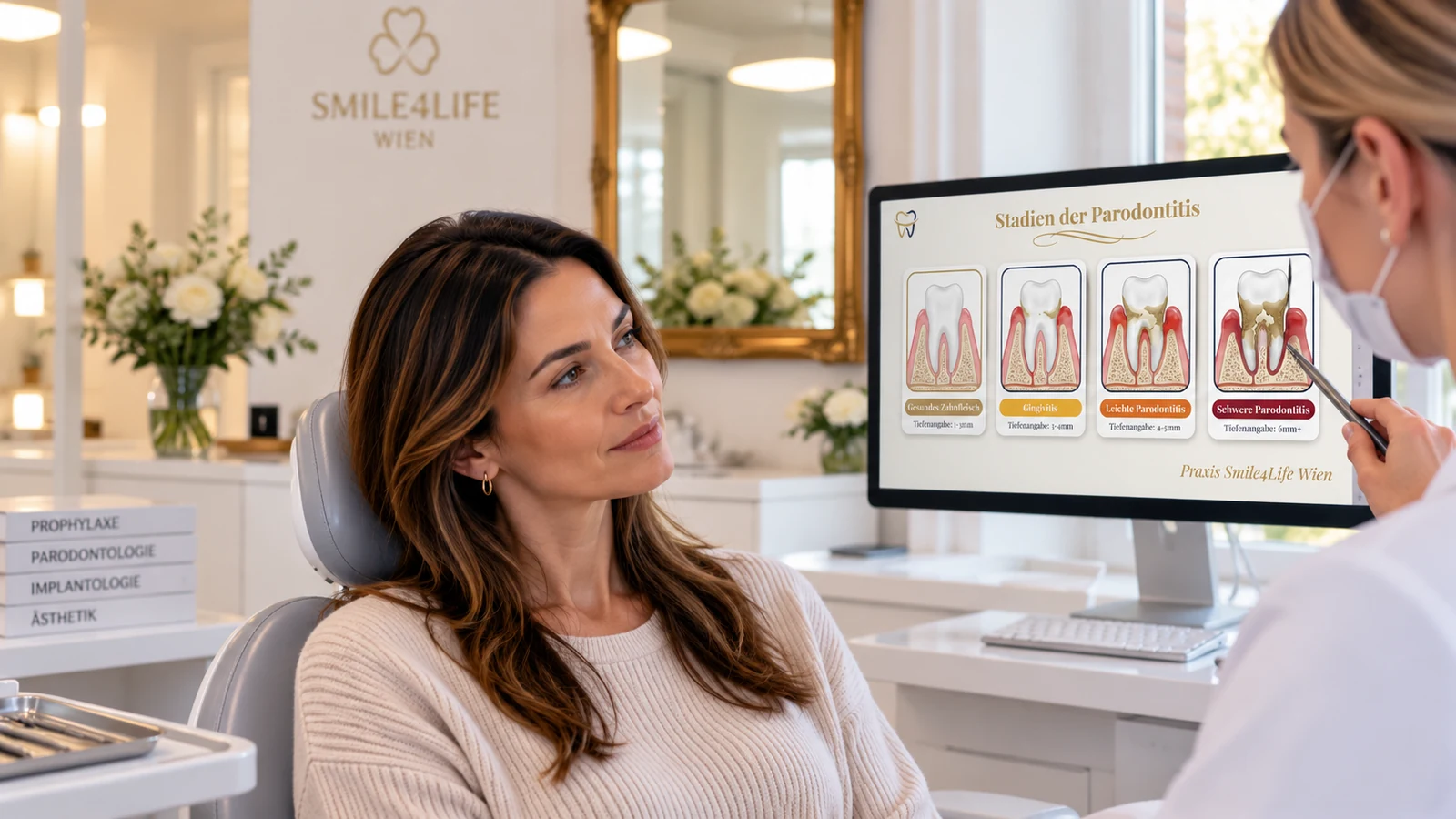
Periodontitis is inflammation of the tissues supporting the teeth and the most common cause of loose teeth in adults. It often progresses without pain, so many people notice it only when teeth start to loosen.
How periodontitis develops: Oral bacteria form a biofilm (plaque). If not removed thoroughly, it hardens into tartar. The body responds with inflammation. Over time, jawbone is lost and teeth lose support.
Warning signs of periodontitis:
- Gums bleed during brushing
- Swollen or red gums
- Bad breath despite good oral hygiene
- Teeth appear longer because gums recede
- Loose teeth
If you have noticed these warning signs before, also read our article Bleeding Gums: When Should You Be Concerned? for more information.
The good news: Periodontitis can be treated. Professional periodontal treatment can control inflammation and reduce the risk of tooth loss. Examination shows whether a particular tooth can be retained. You are welcome to arrange a consultation if you notice warning signs.
Contents

Your dental consultation in Vienna
Discuss which treatment may suit your teeth and clinical findings.
Learn morewurzelbehandlung-wien