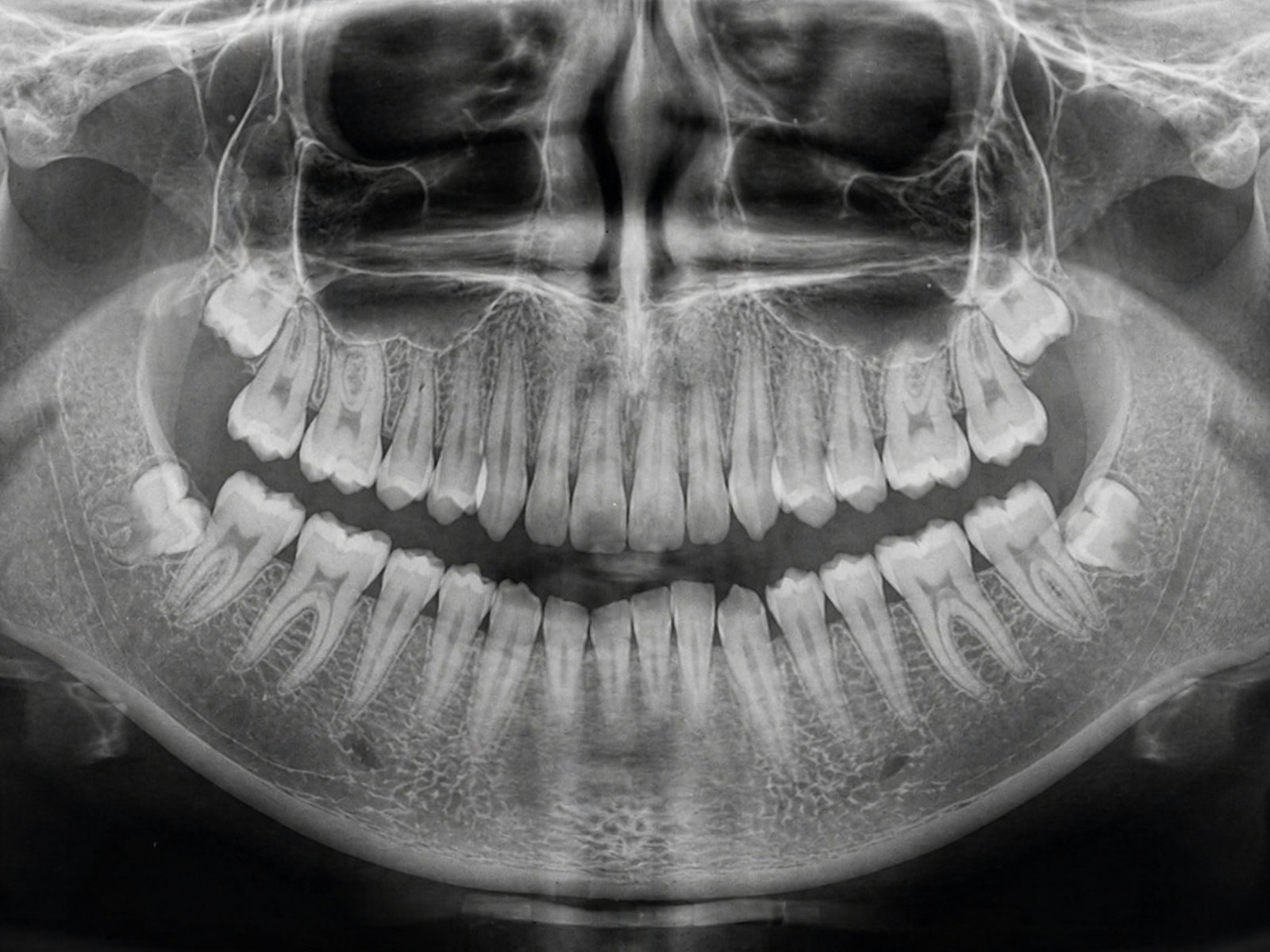

Your dentist has mentioned periodontitis, and you may think of it mainly as a gum problem. Periodontitis affects the tissues supporting the teeth and may be linked to inflammatory responses elsewhere in the body. Studies show an association with cardiovascular disease; this does not prove that periodontitis causes a heart attack in an individual case.
The association is sufficiently well documented for the European Federation of Periodontology and World Heart Federation to have published a joint consensus report. This guide explains what the evidence says and what you can do.
What Is Periodontitis, and Why Does It Matter Beyond the Teeth?
Periodontitis is chronic bacterial inflammation of the tissues supporting the teeth: the structures that anchor them in the jaw. It can lead to loose teeth and tooth loss.
Good to know: Prevalence depends on the population studied and disease severity. Periodontitis can progress for a long time without obvious pain; an examination establishes your individual findings.
A less obvious aspect: The bacteria involved in periodontitis are not confined to the mouth. They can enter the bloodstream temporarily. Associations with inflammatory responses in the body are being studied as possible links to cardiovascular disease. Read more about warning signs in our article Bleeding Gums: When Should You Be Concerned?
The Scientific Association: What Research Actually Shows
The link between oral and heart health has been studied intensively since the 1990s. The consensus report describes relevant associations between severe periodontitis and cardiovascular disease. It does not provide a fixed personal risk figure. Periodontal bacteria have been found in atherosclerotic plaques in coronary arteries. Elevated inflammatory markers such as CRP may also be measured in periodontitis; a test value does not establish individual cardiovascular disease. Successful periodontitis treatment is also studied in relation to vascular function and inflammatory markers. Such measurements must be distinguished from clinical outcomes such as heart attacks and strokes.
Important: Causation is difficult to establish, and there are shared risk factors such as smoking and diabetes. The association warrants attention and coordination between dental and medical care, but does not establish individual causation or guarantee treatment success.
Possible Links: The Biological Mechanisms Being Studied
Three possible links are being studied:
1. Direct bacterial invasion: Bacteria can enter the bloodstream temporarily during chewing, brushing or dental treatment (bacteraemia). This does not mean that everyone with periodontitis has bacteria permanently in their blood or develops heart valve inflammation.
2. Systemic inflammation: The immune system responds to chronic infection with raised inflammatory markers. Research is exploring whether these inflammatory mediators may affect changes in blood vessels.
3. Cross-reactive immune response: Antibodies against periodontal bacteria can cross-react with the body’s own heart tissue. This is a possible biological link, not a basis for a personal diagnosis.
Other Systemic Associations: Diabetes and Pregnancy
Periodontitis is associated with more than heart disease. The two-way relationship between periodontitis and diabetes is particularly well documented, so diabetes and blood glucose control need to be considered in dental treatment planning. Periodontitis may be associated with poorer glucose control. Successful periodontal treatment can measurably improve HbA1c, the long-term blood glucose measure.
During pregnancy: Periodontitis is associated with a higher risk of premature birth and low birth weight. Pregnant patients should discuss their oral health with the treating practice; the need for treatment and its timing are agreed individually. If bone is already affected, read more in our article Jawbone Loss.
What This Means for Your Treatment
Periodontitis can be treated. The aim is to control the disease in the mouth. Changes in inflammatory markers do not guarantee protection from cardiovascular events.
At Smile4Life Vienna, comprehensive periodontal treatment includes: professional teeth cleaning, deep cleaning (scaling and root planing), and surgery for severe cases.
Particularly important: Patients with known heart disease, diabetes or risk factors should consider oral health an integral part of their overall health. Where necessary, we work closely with your physician or cardiologist.
Keep oral health and shared risk factors in view
- Professional cleaning and periodontal maintenance at intervals agreed according to clinical findings and risk
- Brush thoroughly and regularly, and discuss a suitable technique
- Daily flossing or interdental brushes
- Stop smoking: smoking is an important modifiable risk factor for periodontitis
- Manage diabetes well: blood glucose control improves the periodontal outlook
- Have persistent or recurring bleeding gums assessed by a dentist
Bleeding or receding gums and loose teeth are warning signs of periodontitis. Appropriate treatment and follow-up can help control the disease. Arrange a periodontal examination at Smile4Life Vienna, coordinated with your medical care if you have cardiovascular disease.
Consensus Report on Periodontitis and Cardiovascular Disease
This article provides general information and does not replace individual medical advice. If you have cardiovascular disease, please speak to your treating doctor.
Contents

Your dental consultation in Vienna
Discuss which treatment may suit your teeth and clinical findings.
Learn morewurzelbehandlung-wien