Ceramic Crowns in Vienna: All-Ceramic Materials and Your Choice
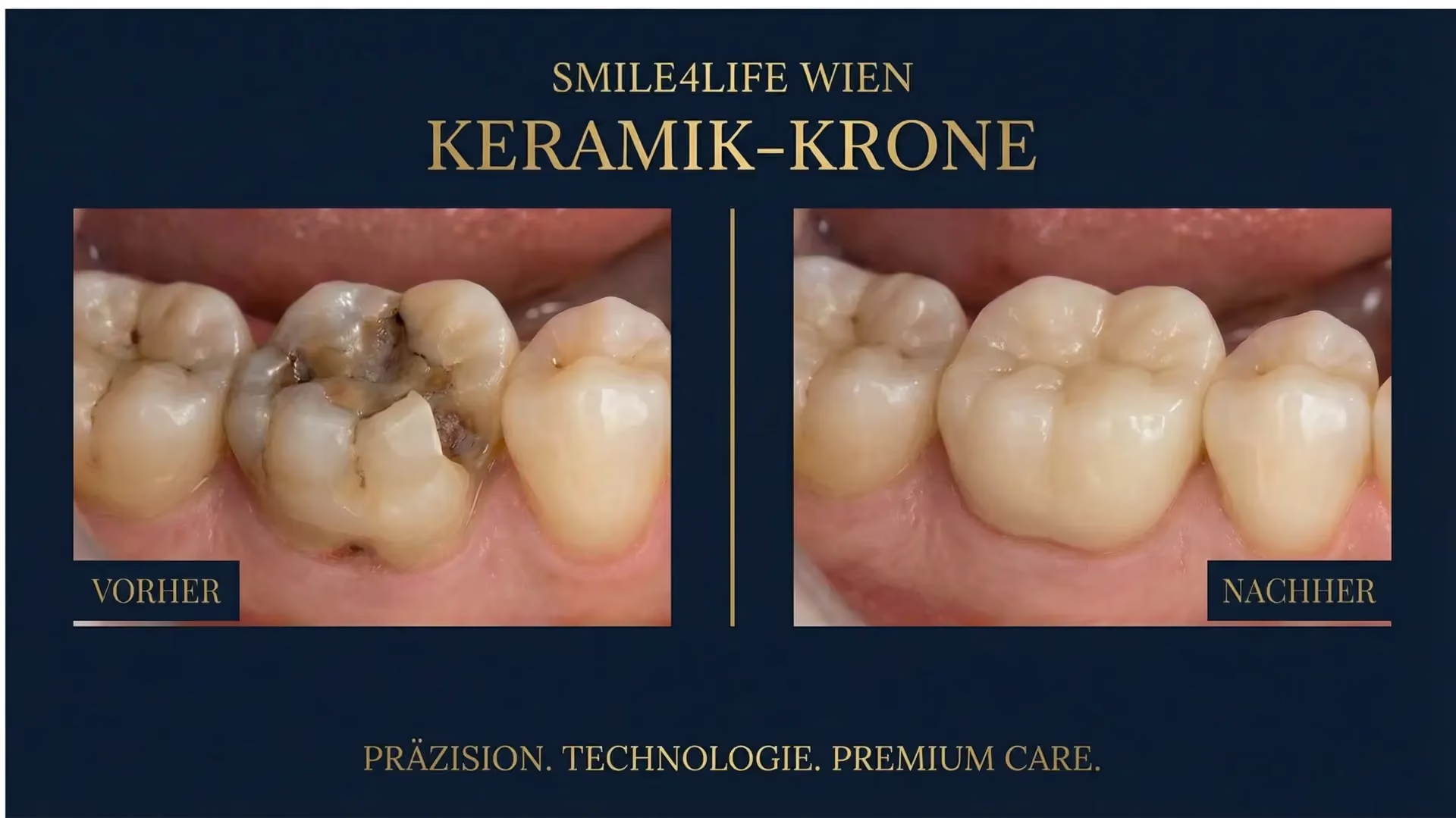
Would you like a crown that blends naturally into your smile? Alongside tooth colour, the choice depends on shape, space and loading.
Preserve your own tooth
Compare options
Plan around your findings
Consider ongoing care
Ceramic Crowns Vienna
keramikkrone-wien
4.9★
Doctify rating
25+
Years of experience
Personal
In-practice consultation
1010 Vienna
Kärntner Straße 9
At a glance
What is a ceramic crown, and how does it differ from metal-ceramic?
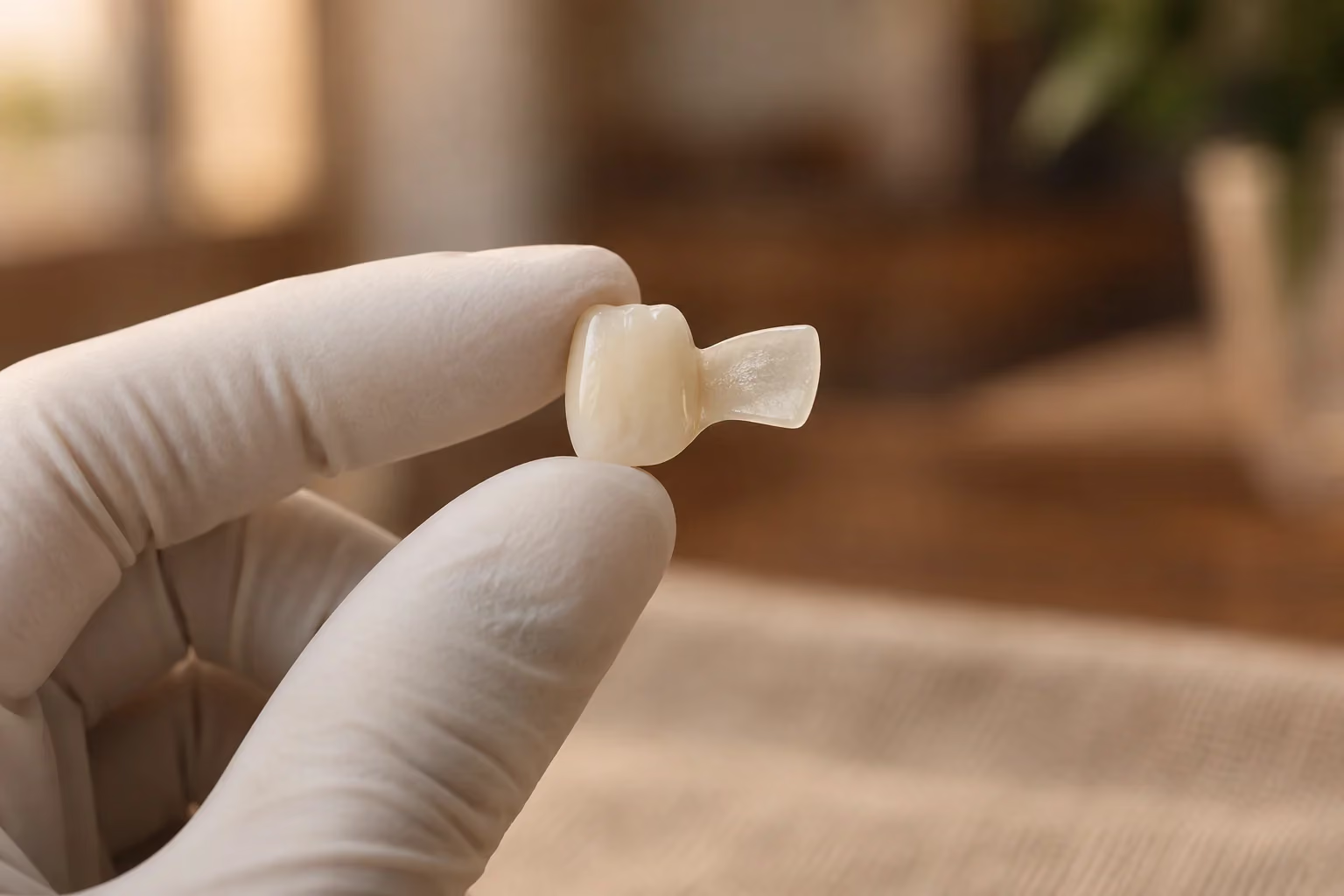
An all-ceramic crown is made from ceramic material, such as glass-ceramic or zirconia, without a metal framework. A metal-ceramic crown, in contrast, has a metal framework beneath the ceramic veneer.
Neither is superior for every tooth. In a recent review, five-year survival was 97.1 percent for metal-ceramic crowns and 98.5 percent for monolithic lithium disilicate crowns.* All-ceramic looks more natural; the bite and tooth position also influence the decision.
Can a ceramic crown be repaired?
Small chips can often be smoothed or repaired with composite without replacing the crown. Cracks in the framework or major fractures usually require a new crown. Monolithic crowns made from a block chip less often than veneered crowns.*
Zirconia crown or ceramic crown: which is better?
Zirconia is itself a ceramic, so the question is which ceramic is appropriate. Monolithic zirconia has high fracture resistance and is suitable for heavily loaded back teeth; glass-ceramics such as lithium disilicate are more translucent and are often chosen for visible areas.
Ceramic crowns: what all-ceramic means
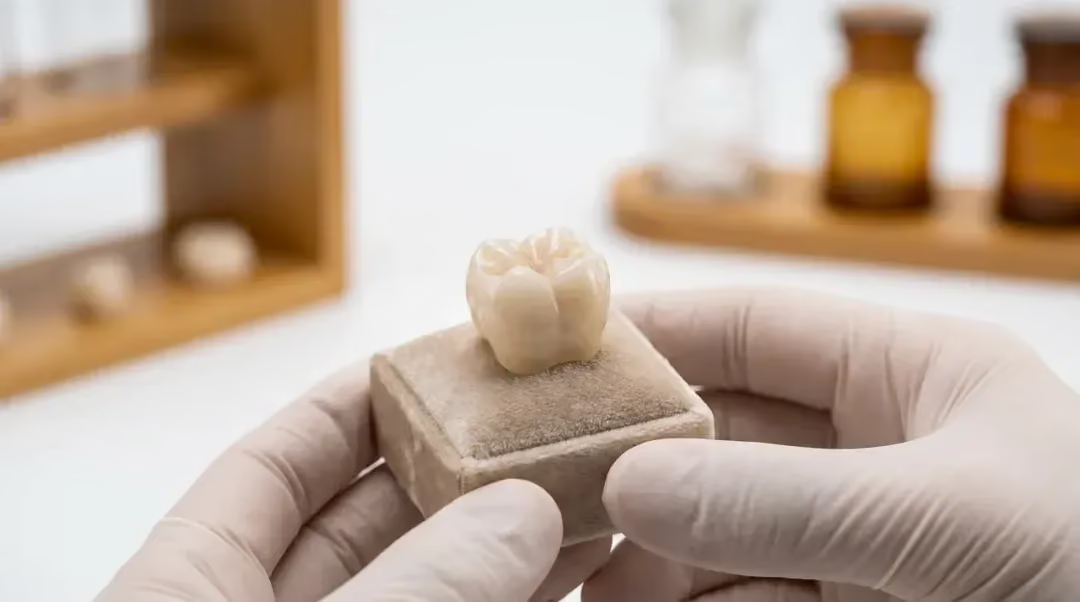
A ceramic crown usually means an all-ceramic crown: it is made from ceramic material without a metal framework. Examples include glass-ceramics such as lithium disilicate and zirconia ceramic. “All-ceramic or zirconia” is therefore not a correct distinction. A metal-ceramic crown, in contrast, has a metal framework beneath the ceramic veneer.
The construction is also distinguished: a monolithic crown is made from a single piece of material. A veneered crown has an additional ceramic layer to shape its outer appearance. These differences also matter when considering possible chipping.
Which ceramic crown suits front and back teeth?
In visible areas, colour, the way light passes through the material and matching the neighbouring teeth are particularly important. For a back tooth, chewing forces and the available space must also be considered. However, both sets of requirements matter for every tooth.
Glass-ceramic and zirconia differ in material properties, and there are different products within each group. The name alone therefore does not determine which crown is most appropriate in an individual case. Heavy grinding, cracks and existing restorations belong in the planning. In suitable cases, a splint may form part of a protective approach, but it is not a guarantee against damage.
What studies say about durability
A systematic review from 2026 examined tooth-supported single crowns. Different all-ceramic groups achieved high estimated five-year survival rates; crowns made from one piece showed fewer ceramic fractures and chips in the analysis than veneered alternatives. Study on PubMed.
These findings relate to the material and construction groups studied. They mean neither that a particular crown is best for you nor that it will require no further treatment. Data on single crowns also cannot simply be applied to bridges with several units.
What else matters when choosing the material?
A tooth-coloured crown should blend in with the surrounding shape and colour. Even so, claims such as “always invisible” or “allergy-free” go too far. Known intolerances and the bonding materials used belong in the discussion. The condition of the tooth beneath the crown also affects the restoration.
An intact crown does not need replacement simply because another material is available. If replacement is being considered, symptoms, defects, marginal fit and your preferences matter. Also discuss whether a partial restoration might be sufficient.
Ceramic crown costs: discuss treatment and prices in Vienna
The factors that determine the price of a ceramic crown are explained on the page Dental crown costs in Vienna; the costs question further down explains market guide prices and the route to a binding cost plan. The treatment procedure takes you from examination and fabrication through to fitting. For neutral background information, read All-ceramic crowns: materials and differences.
YOUR OPTIONS
TREATMENT OPTIONS COMPARED
We will discuss payment terms with you prior to treatment.
The indicative market prices in our price overview provide an initial guide. We will discuss which services are planned for you and the costs involved based on your examination findings and individual cost plan.
Advanced Dental Aesthetics & Implantology
Priv.Doz.Dr.Dr. K. Yerit
“Aesthetics is not a coincidence, but the result of precise planning and deep passion.”
All-ceramic crowns look natural and achieve high five-year survival rates in studies; we assess your clinical findings to determine which crown suits your bite.
View profile →Scientific references
Institute for Implantology and Digital Dentistry Vienna
Österreichische Gesellschaft für Zahn-, Mund- und Kieferheilkunde (ÖGZMK)
Deutsche Gesellschaft für Zahnärztliche Prothetik
European Prosthodontic Association (EPA)
Academy of Prosthodontics
Yerit Practice – Dentist Vienna
Frequently asked questions
Frequently asked questions
Do you have a specific question about your diagnosis? Book a consultation appointment directly →
Questions about your treatment?
Discuss what matters to you and what the next steps look like with us.
Book your appointment nowYour orientation
Planned for the long term, with regular care and check-ups.
Understanding what’s involved
Appointments and treatment requirements depend on your examination findings and the chosen procedure.
In everyday life
Who this information is for
When an existing tooth needs a new restoration. The defect is assessed to determine whether a filling, partial restoration or full crown is appropriate.
Important limitations
A restoration needs suitable supporting teeth and an appropriate bite. Disease and potentially less invasive alternatives are assessed beforehand.
Our approach
The restoration is planned around your examination findings. Options, limitations and any preliminary treatment all form part of the decision.
SCIENTIFIC STUDIES
The restoration is planned around your examination findings. Options, limitations and any preliminary treatment all form part of the decision.
More topics in this area
Deepen your knowledge – find all information regarding the treatment process, costs, and results.



Kärntner Straße 9
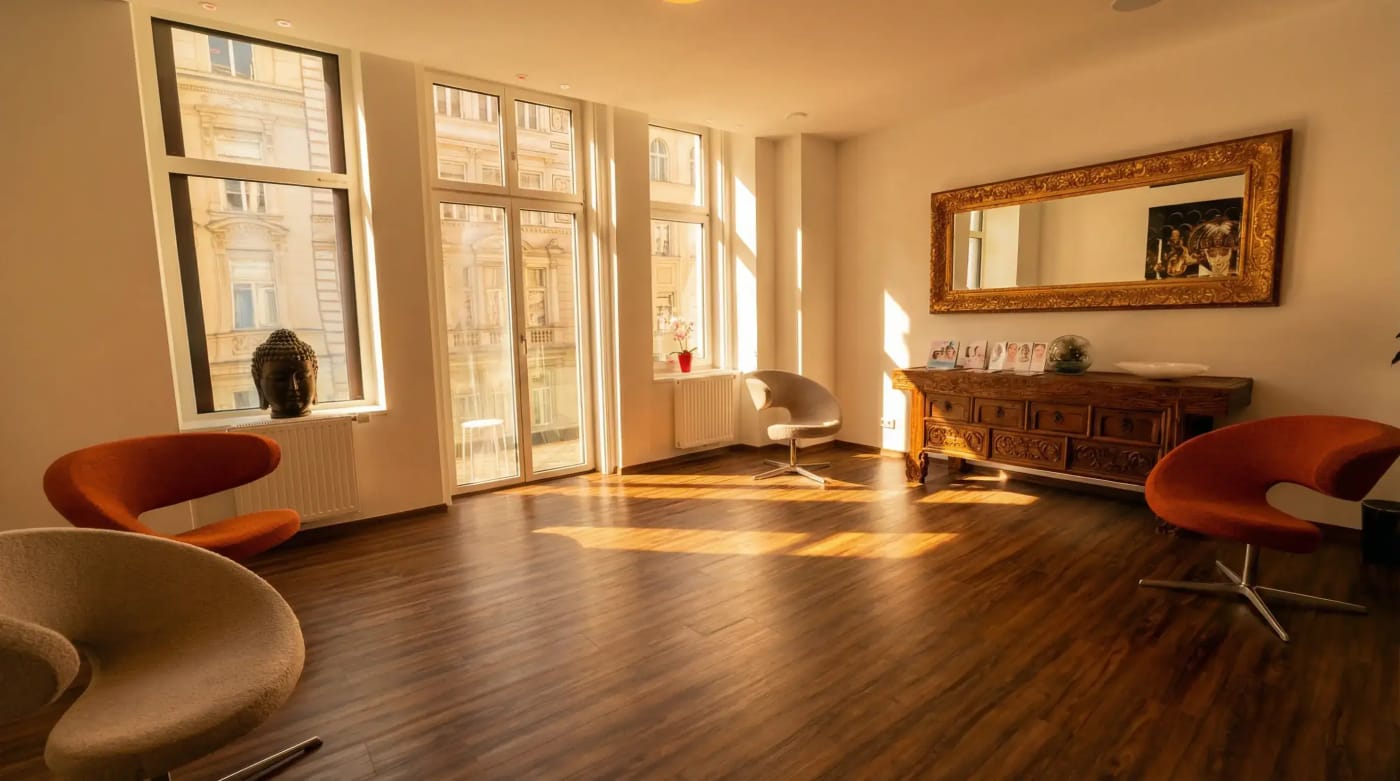
100 meters from Stephansplatz, Innere Stadt.

Partnerships & Memberships & References