You have invested in a new smile, or are seriously considering it, and would like to know how long veneers really last. The answer is more nuanced than many advertising claims suggest.
This guide explains the evidence, the factors affecting longevity and how to care for your veneers.
What the Evidence Says About Veneer Longevity
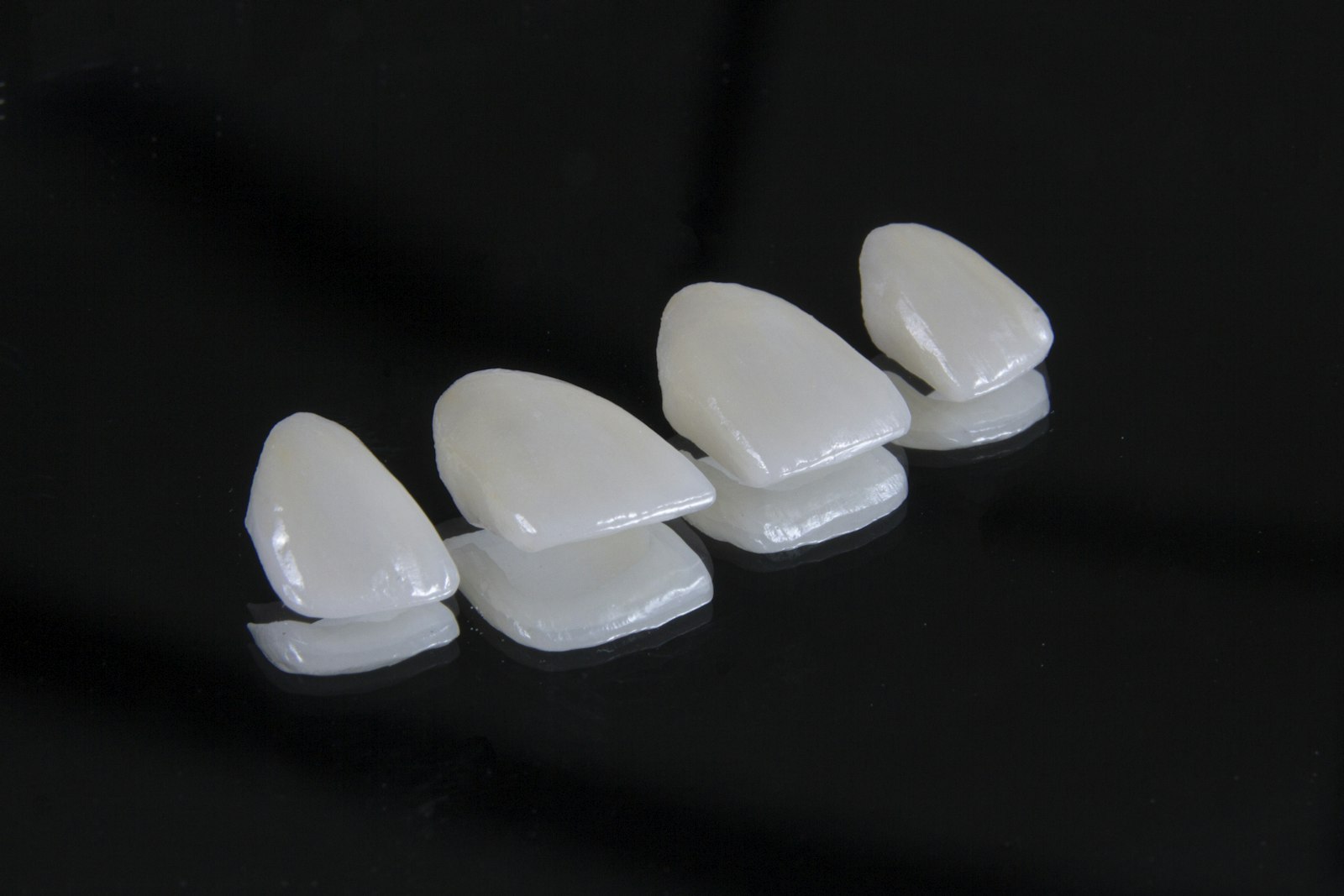
A 2021 systematic review estimated a cumulative survival rate of 95.5% after ten years for the ceramic veneers studied. Survival does not mean that every restoration remained complication-free. The findings apply to the restorations studied and are neither a personal lifespan guarantee nor a reliable direct comparison of all materials or brands.
| Veneer type | Understanding longevity | Limits of the evidence |
|---|---|---|
| Feldspathic ceramic veneer | Many years of service may be possible | Individual variation; study results are not a minimum lifespan |
| Pressed ceramic (lithium disilicate) | Many years of service may be possible | Assess the material and clinical findings together |
| Lumineers (no-prep) | Depends on suitability and technique | General study figures do not guarantee a particular brand’s performance. |
| Composite veneer | Repairs or revisions may be needed | Material, starting findings and repairs need to be considered in comparisons. |
Composite resin veneers can stain or wear and may need polishing, repair or replacement. Whether ceramic or composite is more suitable also depends on the teeth, extent of the change and repair options; price alone is not proof of quality.
5 Risk Factors for Early Veneer Damage
These five risk factors matter when planning and caring for your veneers. Good care may reduce risks but cannot prevent every problem.
Bruxism (teeth grinding) can place greater loads on veneers and increase fracture risk. A custom-made occlusal splint may be appropriate to protect a restoration in bruxism. Whether a splint suits you and how to wear it are decided individually after examination.
Hard foods and damaging habits can harm veneers. Cracking nuts, chewing ice and biting nails create concentrated loads. Apples and carrots are not a problem if cut into pieces.
Unsuitable care products may make care harder or affect materials. Not every patient needs mouthwash. If needed, choose a product suited to your oral health and the materials used.
Poor fabrication quality, whether in dental treatment or laboratory work, can lead to early failure. Veneers that are too thin, inadequate preparation or poor bonding technique are common problems.
Neglected preventive care: veneers themselves cannot develop decay, but the teeth beneath can. Regular professional cleaning and checks are essential.
Your Daily Veneer Care Guide
Care supports the health of your teeth and the maintenance of the restoration. Agree routines that suit your clinical findings:
- Toothbrush: soft to medium bristles; an electric brush with a pressure sensor is ideal
- Toothpaste: avoid strongly abrasive whitening pastes; preferably an RDA below 70
- Floss: daily, gently around veneer margins
- Mouthwash: only if needed; agree a suitable product with the treatment team
- Occlusal splint: if prescribed, use according to the agreed wearing schedule
- Checks and professional cleaning: agree intervals based on oral health, risks and veneer condition
When Do Veneers Need Replacing? Signs to Recognise
Well-maintained veneers do not need replacing after a fixed period. The following signs indicate a need for assessment or possible replacement:
- Visible cracks or chips
- Discolouration at the edges, which may indicate leakage at the margins
- Sensitivity or pain around the veneer
- Loosening or detachment
- A changed bite due to wear
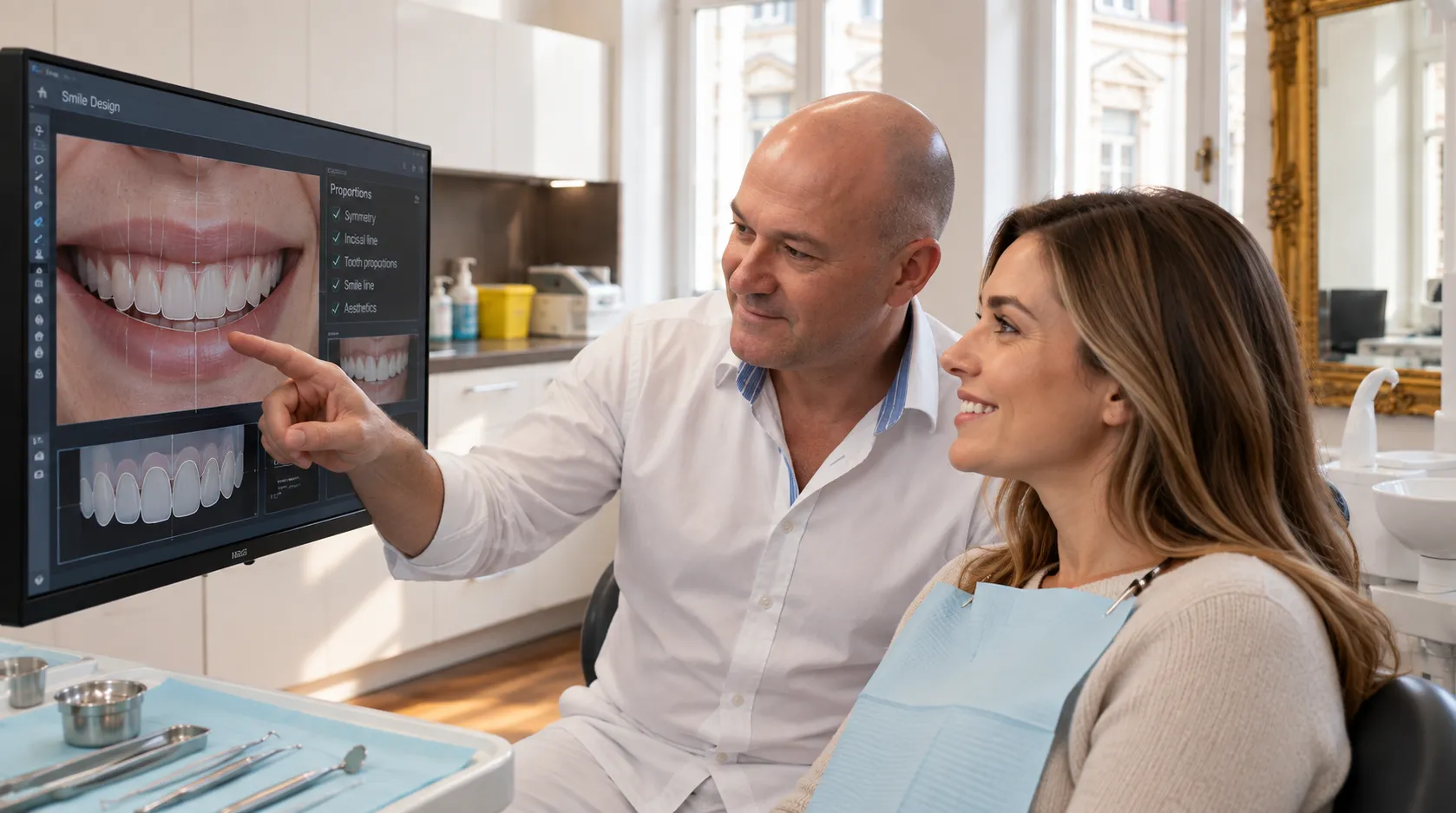
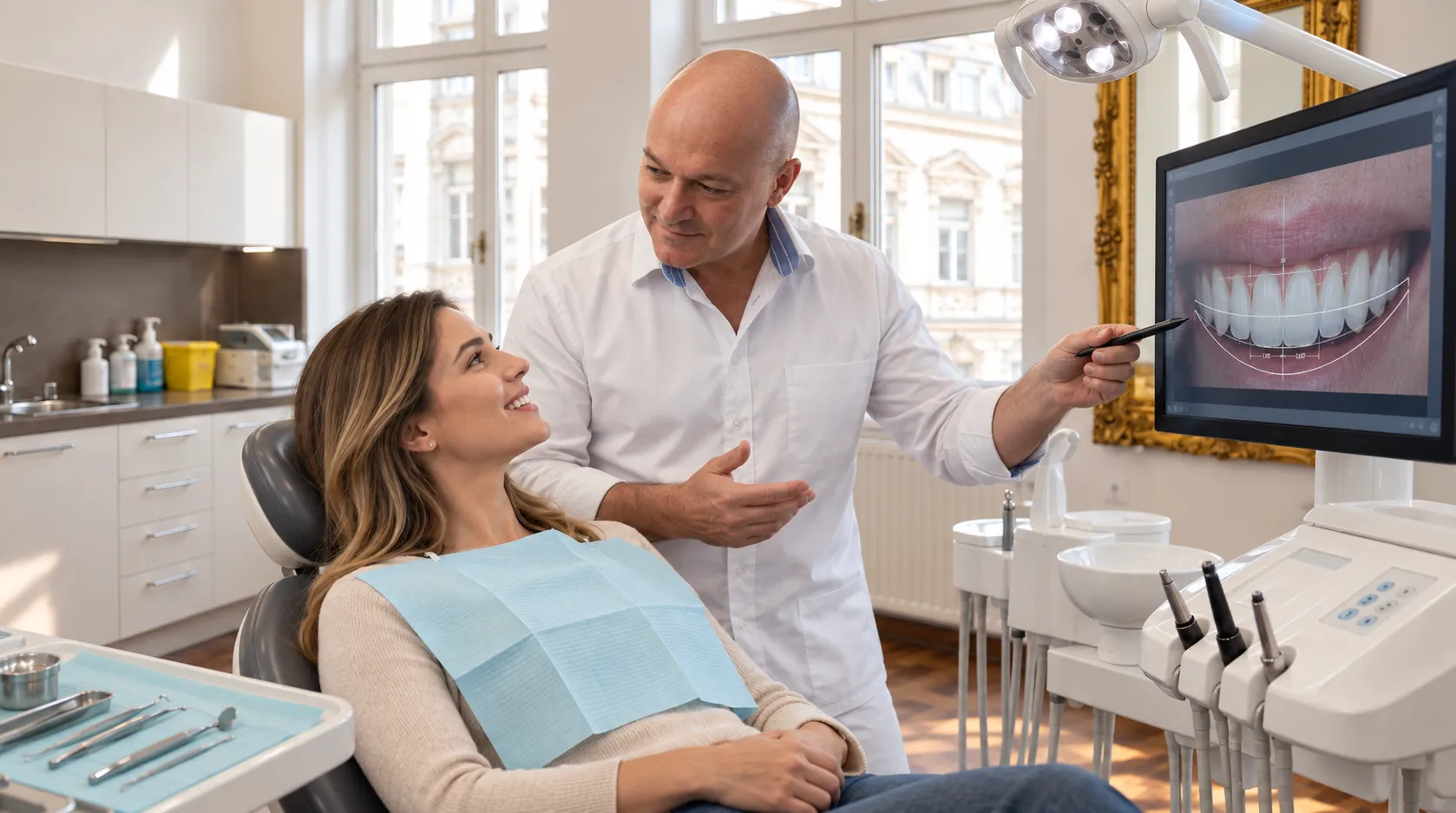
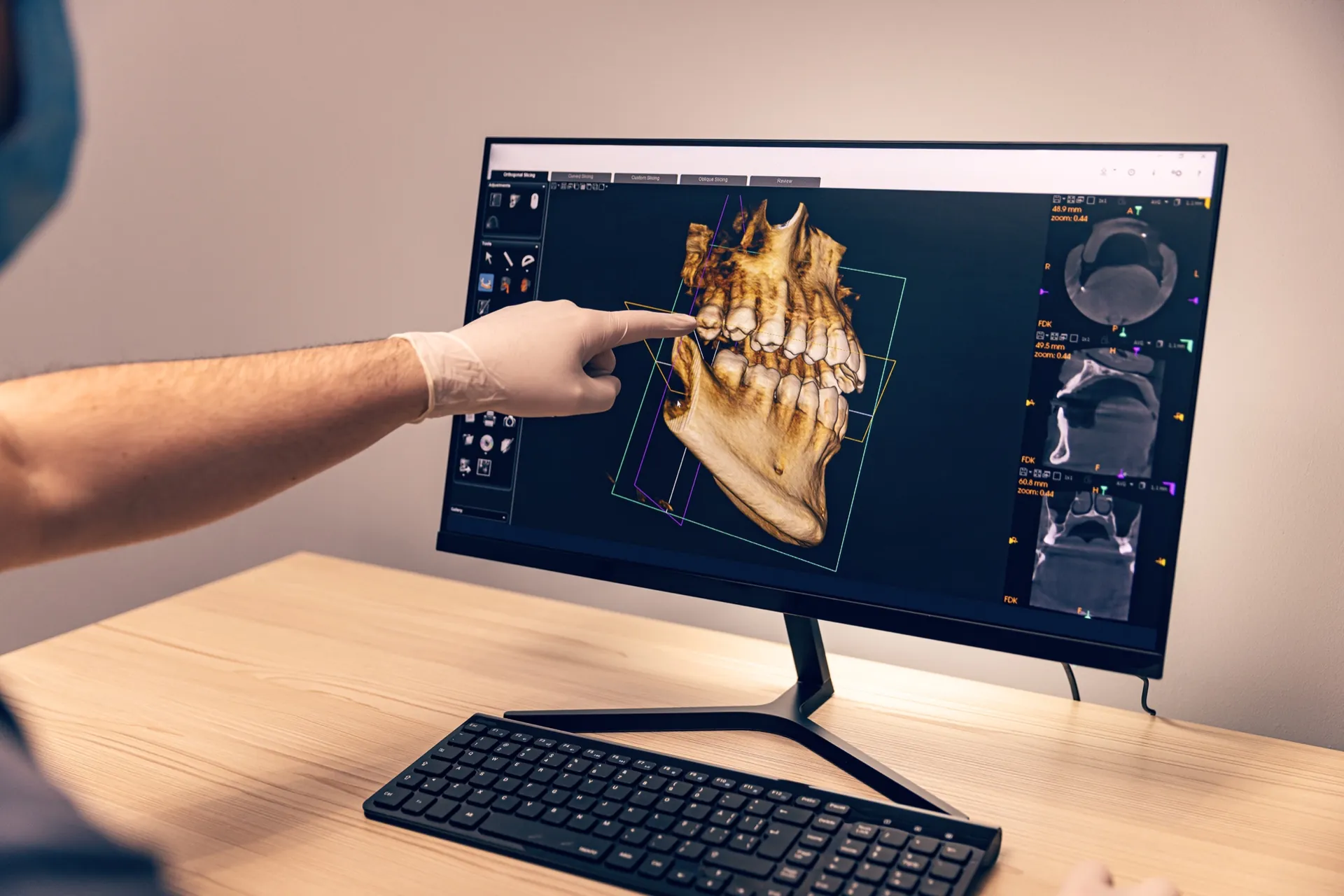
At Smile4Life Vienna, we assess your veneers at each check using digital diagnostics. Problems can be identified before they cause greater damage.
Why Fabrication Quality Matters for Longevity
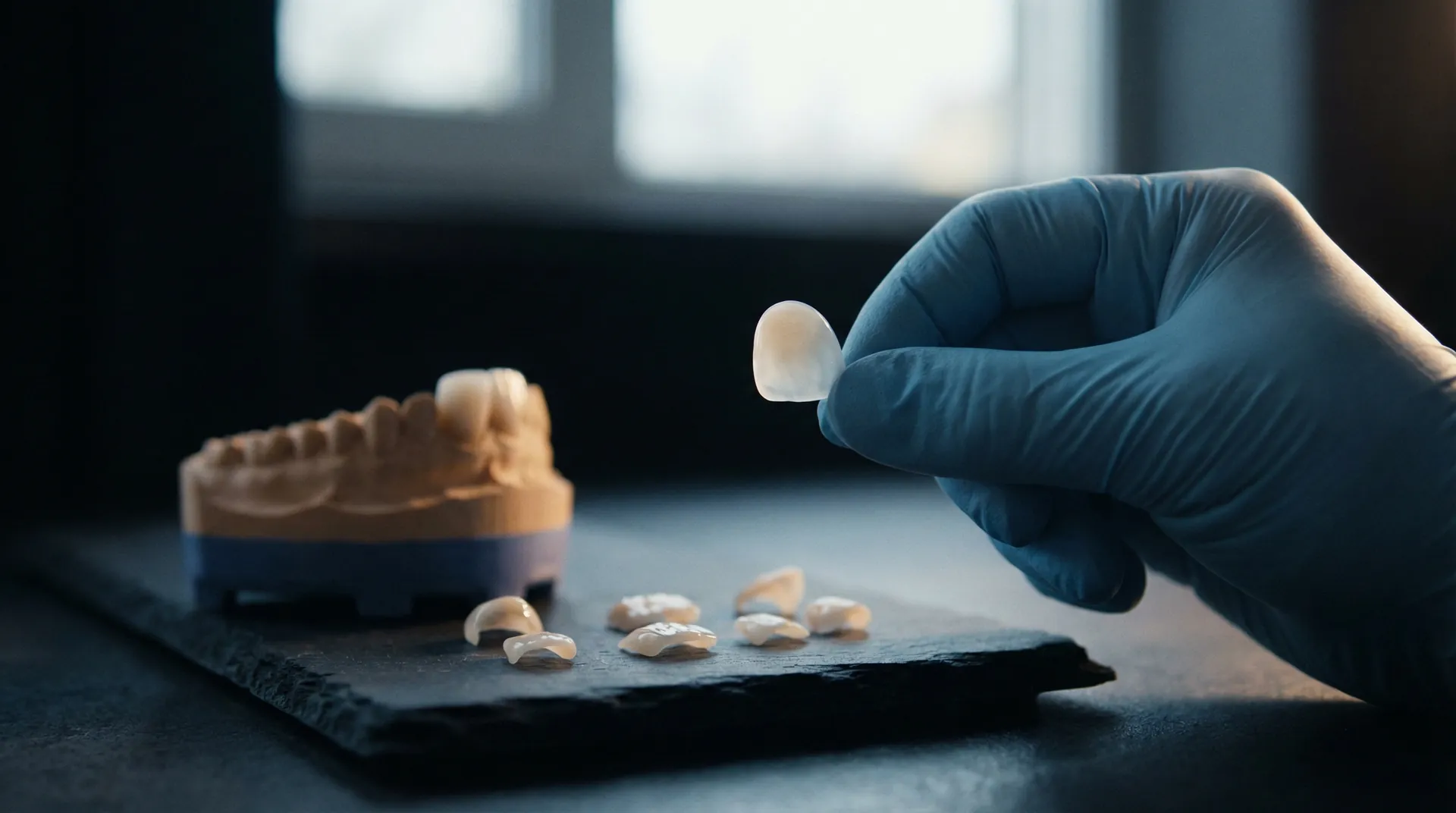
A veneer is only as good as the weakest link: diagnosis, preparation, laboratory work or bonding. At Smile4Life Vienna, we work exclusively with certified dental laboratories specialising in aesthetic ceramic restorations.
Discuss the plan, treatment steps and your individual circumstances with Priv.Doz.Dr.Dr. K. Yerit. Arrange an initial consultation without obligation to proceed to find out more.
Contents

Your dental consultation in Vienna
Discuss which treatment may suit your teeth and clinical findings.
Learn moreveneers-vienna