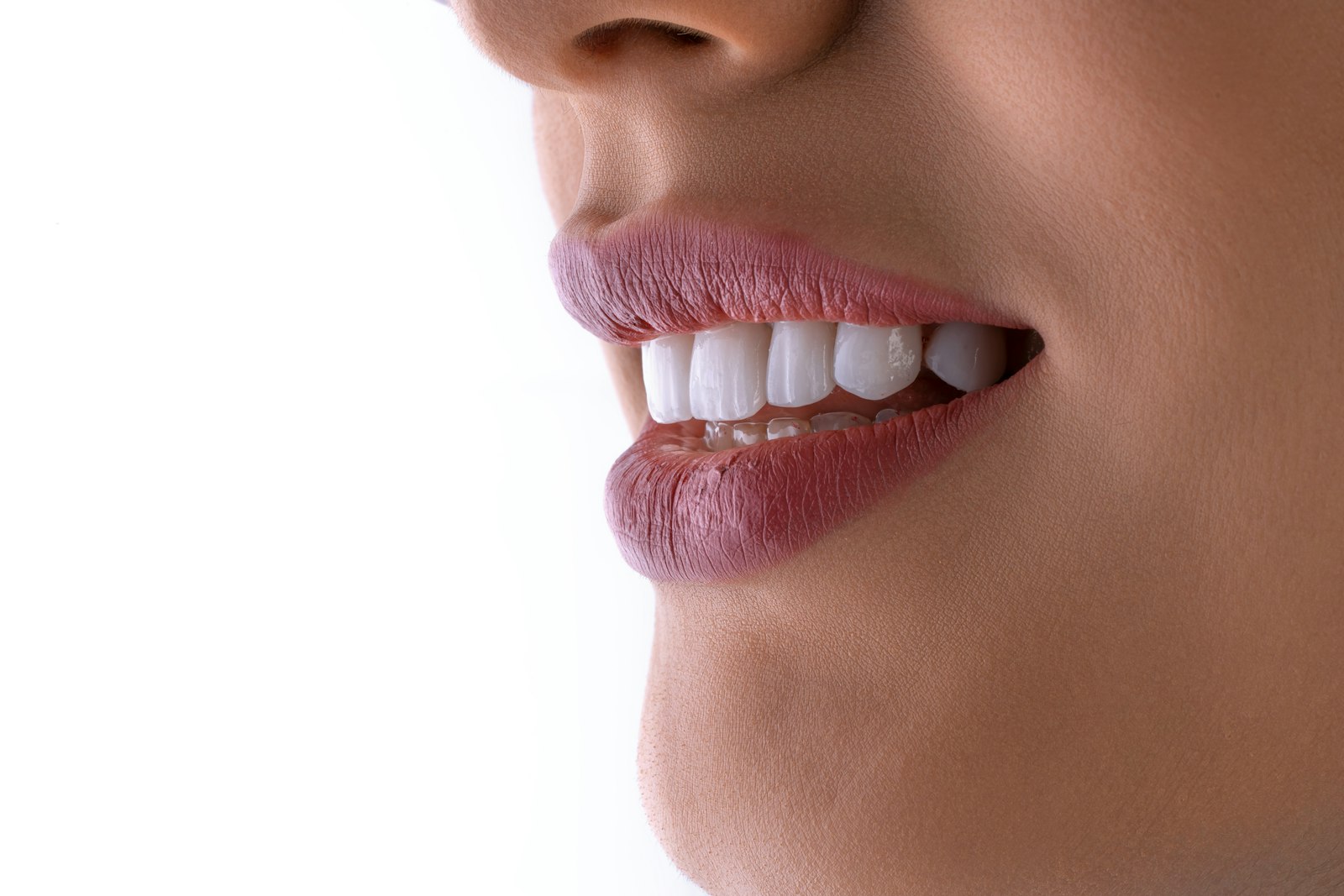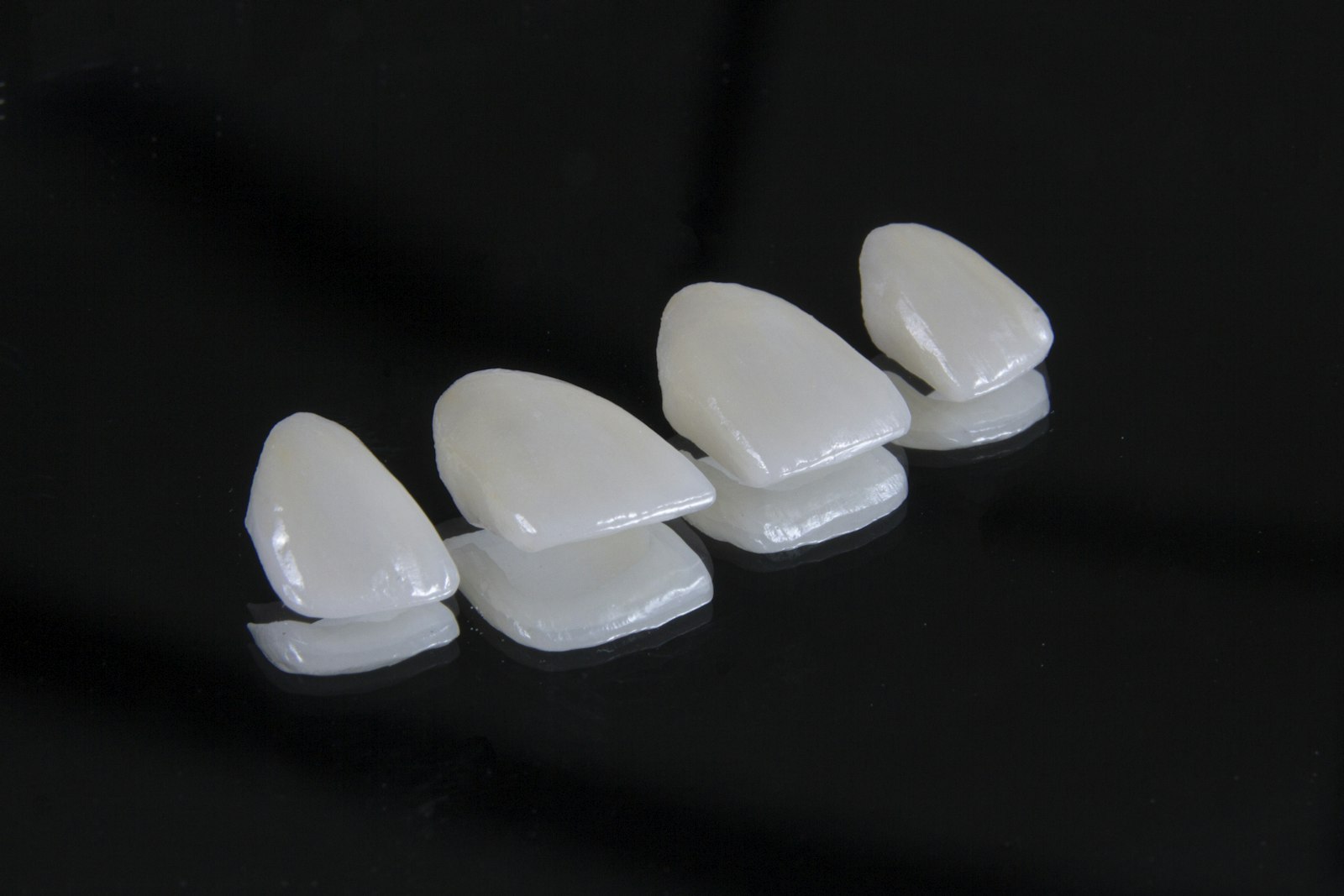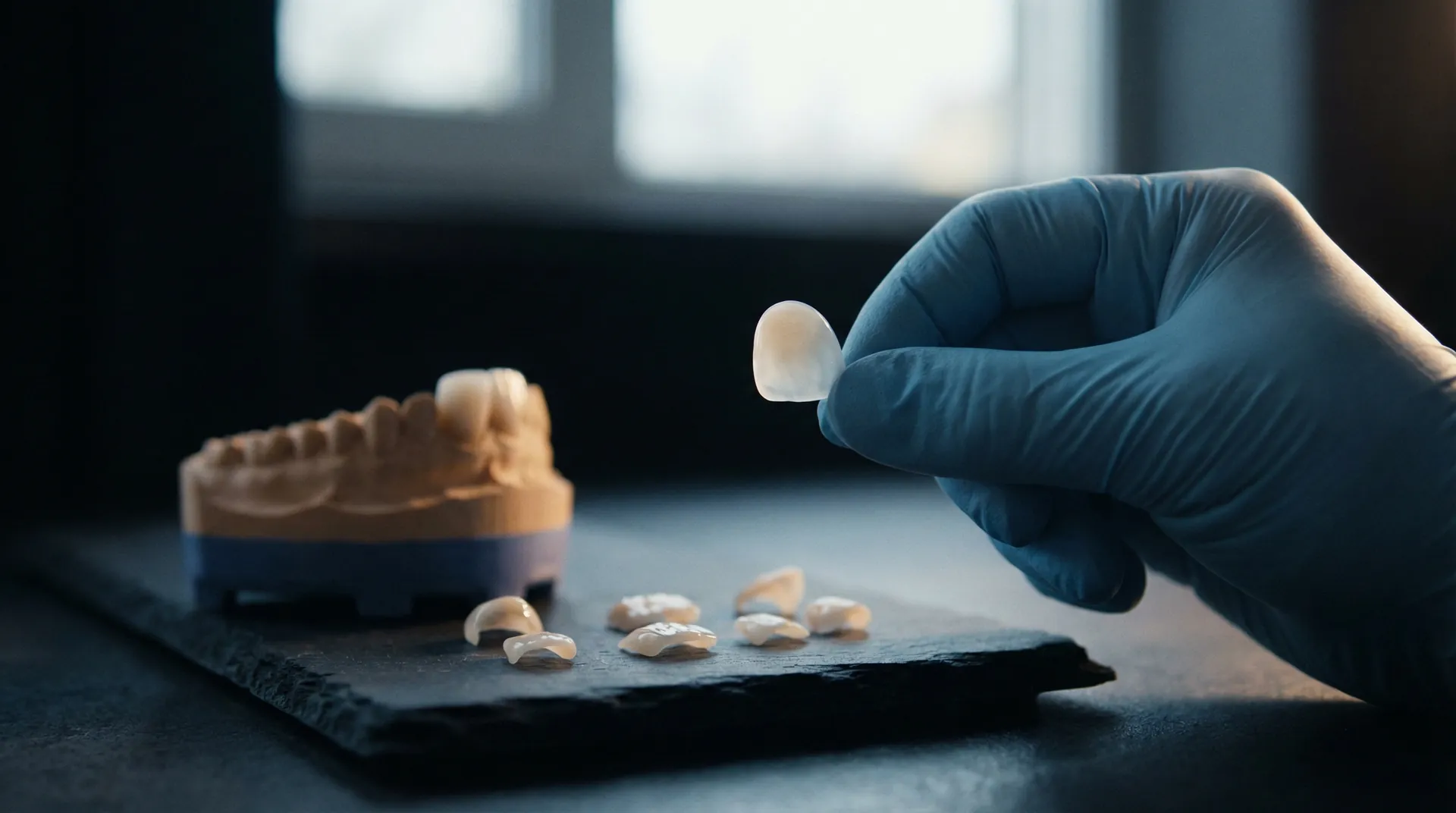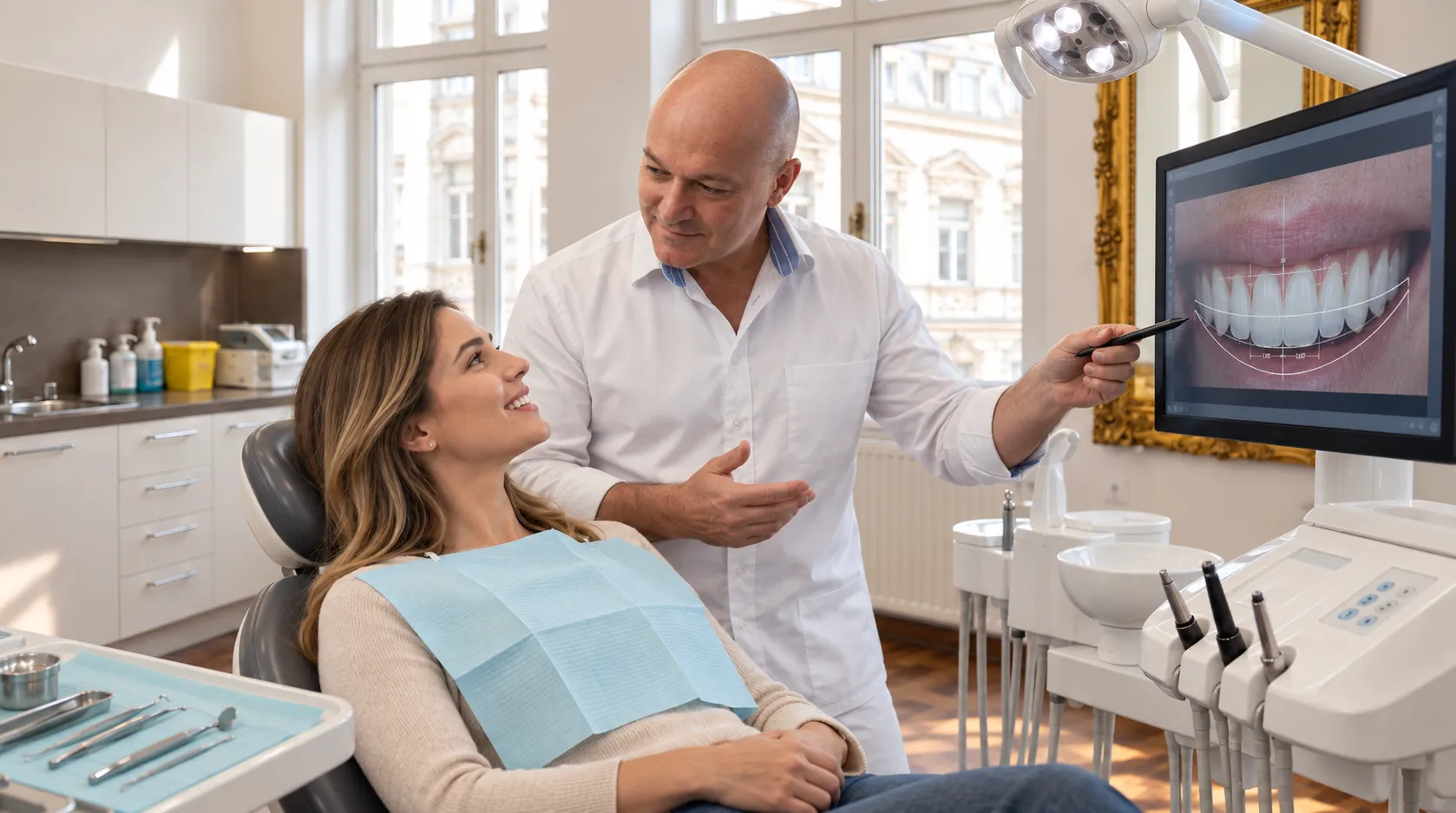
You would like to change your smile, but feel uncertain about the result. What if veneers look too white, too large or out of place on your face? Uncertainty about the outcome is one of the common reasons patients postpone aesthetic dental treatment.
Digital Smile Design (DSD) can make planning easier to visualise: A simulation helps you discuss possible changes before treatment. It does not guarantee the eventual result.
What Is Digital Smile Design?
Digital Smile Design is a computer-assisted planning method introduced by Brazilian dentist Christian Coachman in 2009. It has since become a widely used international standard in aesthetic dentistry.
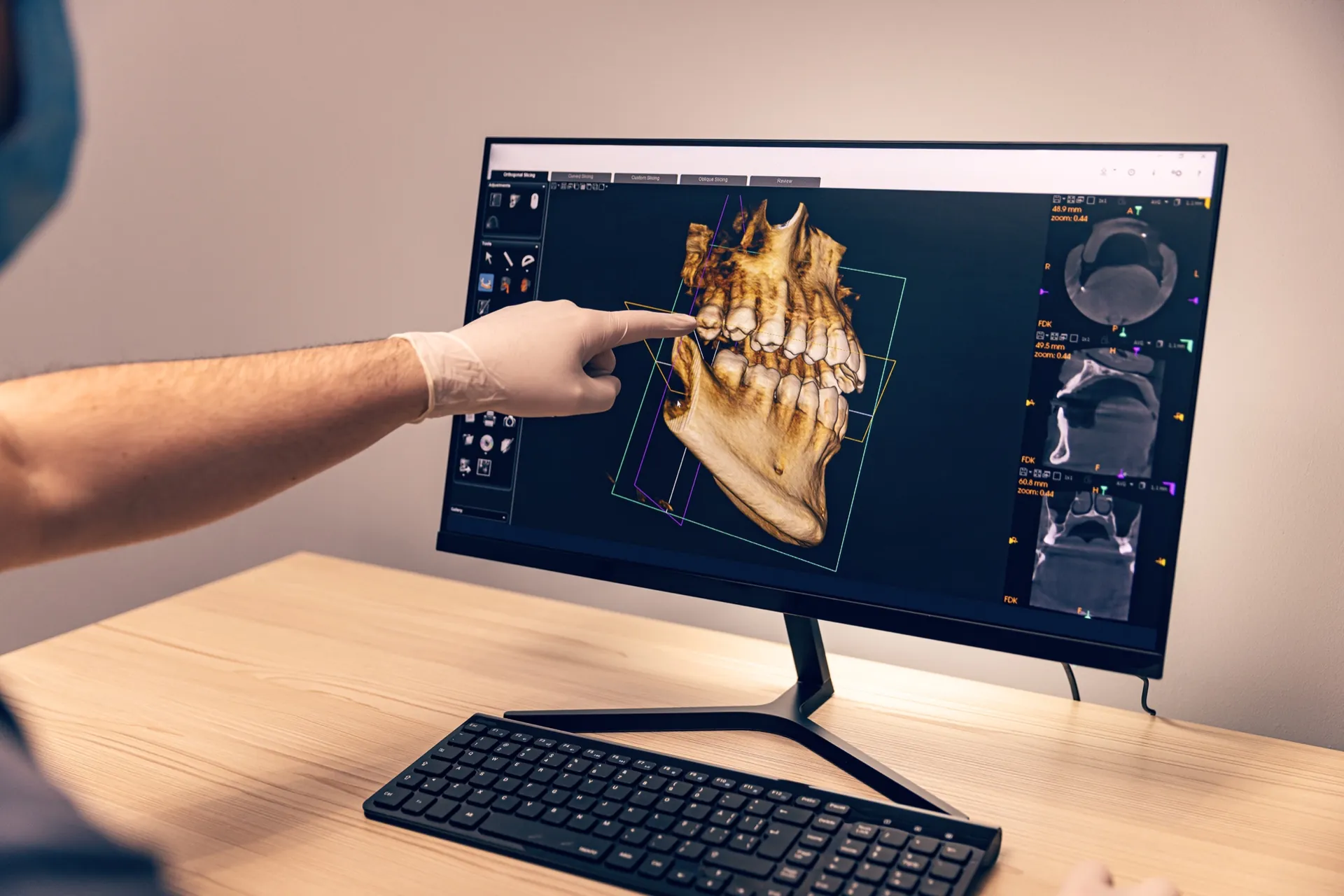
The principle: High-resolution photographs and videos of your face and smile are analysed digitally and used to create a simulation of how your smile could look after treatment.
Important to understand: DSD is a planning method rather than a treatment in its own right. It can support different aesthetic treatments, such as veneer treatment, a complete Smile Makeover, crowns on front teeth or gum corrections.
How the DSD Process Works at Smile4Life Vienna
The DSD process has five steps:
1. Documentation: High-resolution photographs and videos of your face, smile and dental arch from different angles: front, side and below, plus a video while speaking and smiling. A smile needs to work in motion as well as in a photograph.
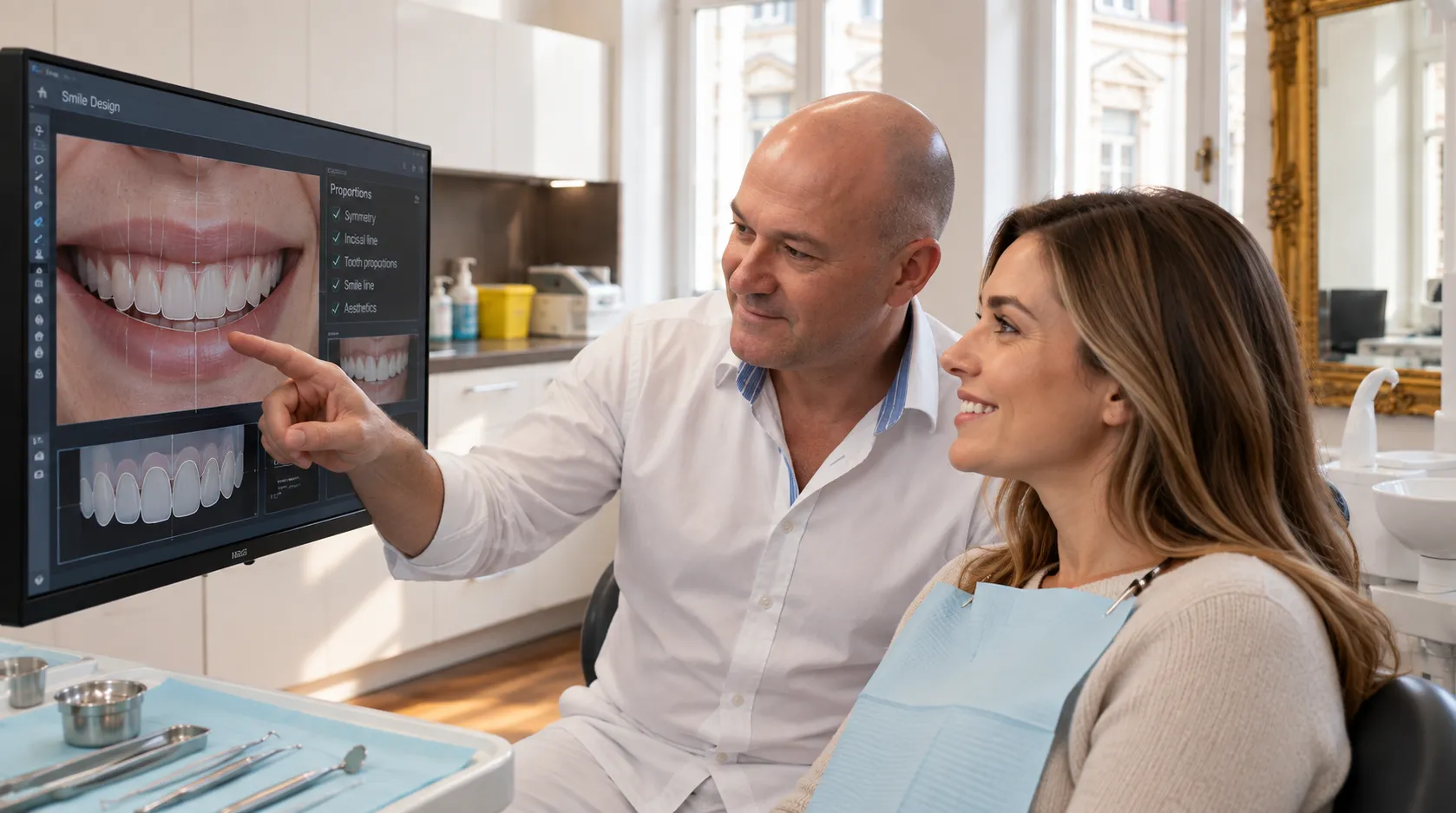
2. Digital analysis: Priv.Doz.Dr.Dr. K. Yerit analyses your facial proportions, midline, tooth axes, gum line and overall smile design. The aim is a smile that suits your face and personality.
3. Simulation: An initial digital visualisation shows how the result might look, providing a basis to discuss your wishes and adjustments. “A little brighter”, “slightly larger”, “more natural-looking”: these can all be discussed.
4. Mock-up: Depending on the planned restoration, a physical mock-up may be considered as a trial build-up. Whether one is made and how you can use it are discussed individually.
5. Treatment: The planned treatment steps are agreed on the basis of the clinical findings, planning and your decision. A trial restoration does not replace clinical assessment or information about limitations and risks.
How DSD Can Help With Uncertainty About the Result
Visual planning can help you discuss wishes and expectations. Whether it reduces uncertainty varies from person to person; it does not guarantee satisfaction or a particular result.
DSD also makes communication between the patient, dentist and dental technician more precise. Instead of vague descriptions such as “a little more natural” or “not too white”, there are specific digital guidelines. These can support communication with the laboratory. Clinical treatment may still differ from the simulation; necessary adjustments are assessed as treatment progresses.
Which Treatments Can Be Planned With DSD?
DSD is particularly suited to veneer treatment involving changes to several teeth, for example discolouration, shape corrections or closing gaps. It is also central to a complete Smile Makeover, coordinating whitening, veneers and gum correction into an overall plan. For crowns on front teeth, DSD shows how a crown may suit your face, particularly after tooth loss or major tooth damage. It can also help plan balanced proportions for gum corrections (gummy smile). DSD is generally unnecessary for simple restorations of individual teeth or fillings.
The Difference From Conventional Treatment Planning
Conventional planning is based on clinical findings, X-rays and the dentist’s experience. Examination findings and consultation remain the foundation of individual planning even without a digital simulation.
Digital Smile Design adds a visual dimension: a possible design is simulated before treatment begins. The simulation can support communication, but cannot promise you fewer adjustments or greater satisfaction.
What to Expect at a DSD Consultation
At the initial consultation, you discuss what bothers you about your smile and what you would like to change. The examination, documentation and simulation that may be appropriate, and the time set aside, are clarified when arranging your appointment.
Tip: If possible, bring photographs of smiles you like or find inspiring. This helps with planning.
Honesty matters to us: DSD can show a possible aesthetic design. It also shows the limits: if your starting situation does not allow certain results, we tell you directly.
Costs and Insurance
The cost of DSD planning depends on its scope, for example whether a mock-up is made. Whether planning costs will be credited later must be clarified beforehand for your treatment. Typical market guides are on our prices page. We discuss your personal cost plan after assessment and before treatment. Public health insurance does not cover DSD as an aesthetic planning service. Some private supplementary policies cover part of the cost; ask your insurer beforehand.
Would you like to see how your smile could look before deciding? Arrange a DSD consultation at Smile4Life Vienna. We discuss which examination and planning may be appropriate for you. You then decide whether to proceed with treatment.
Contents

Your dental consultation in Vienna
Discuss which treatment may suit your teeth and clinical findings.
Learn moreveneers-vienna