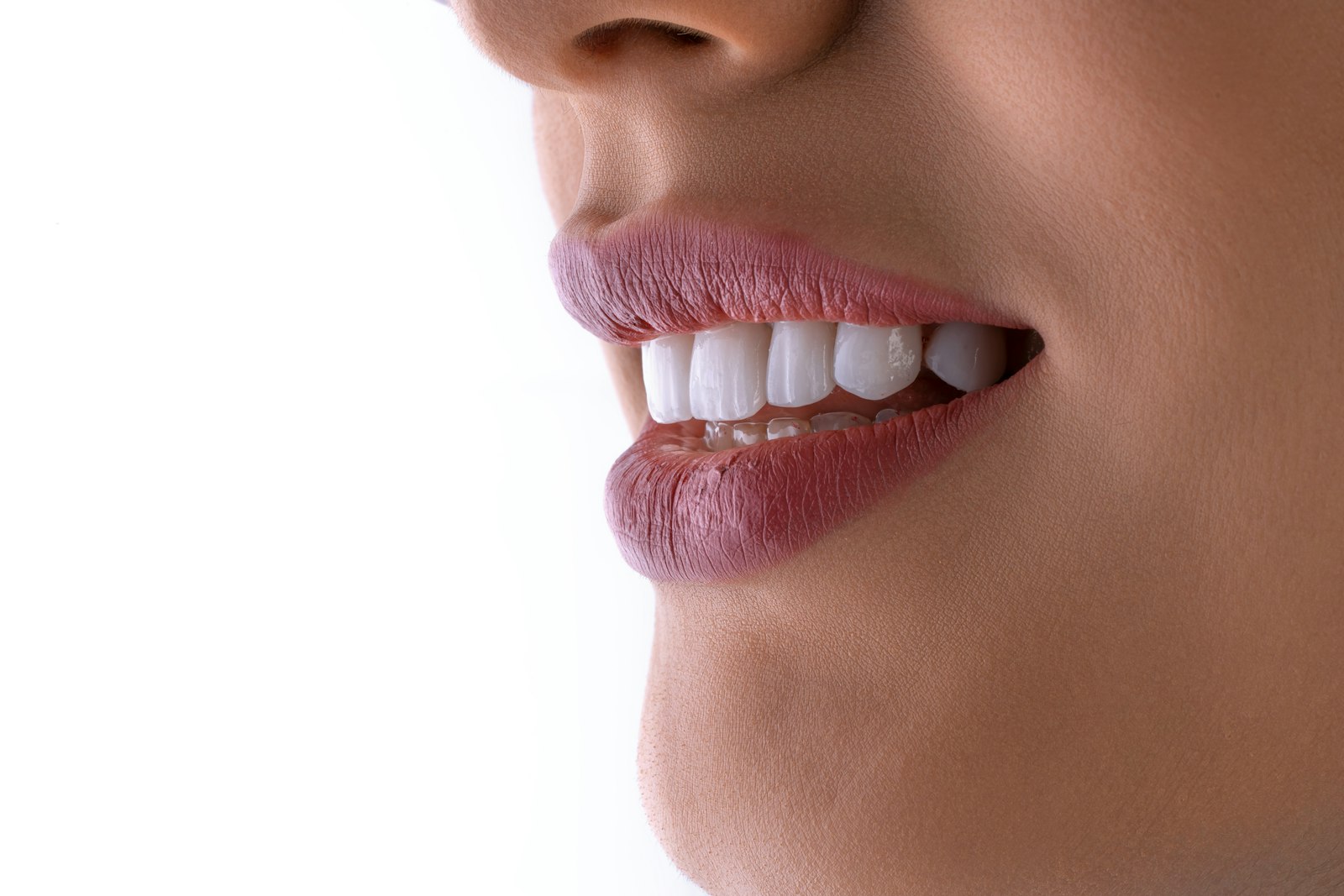

If your teeth seem less white than before, yellow staining or individual marks may affect how you feel about your smile. The first step is to identify the type of discolouration.
Discoloured teeth can often be treated. Understanding the cause helps identify an appropriate method. This article explains external and internal staining and options from professional cleaning to whitening.
Why Do Teeth Change Colour? External and Internal Causes
Discolouration develops in two main ways. Understanding the difference helps guide treatment.
External stains accumulate on the enamel surface. Common causes include:
- Coffee, tea and red wine
- Tobacco, leaving persistent brown staining
- Highly pigmented foods such as berries, curry or balsamic vinegar
- Inadequate oral hygiene, allowing deposits to become established
Internal discolouration lies deeper within the tooth. Causes include:
- Natural ageing: enamel thins and yellowish dentine shows through
- Certain childhood medicines, such as tetracycline antibiotics
- Injury or a non-vital tooth, which may turn grey
- Excess fluoride during childhood, causing fluorosis
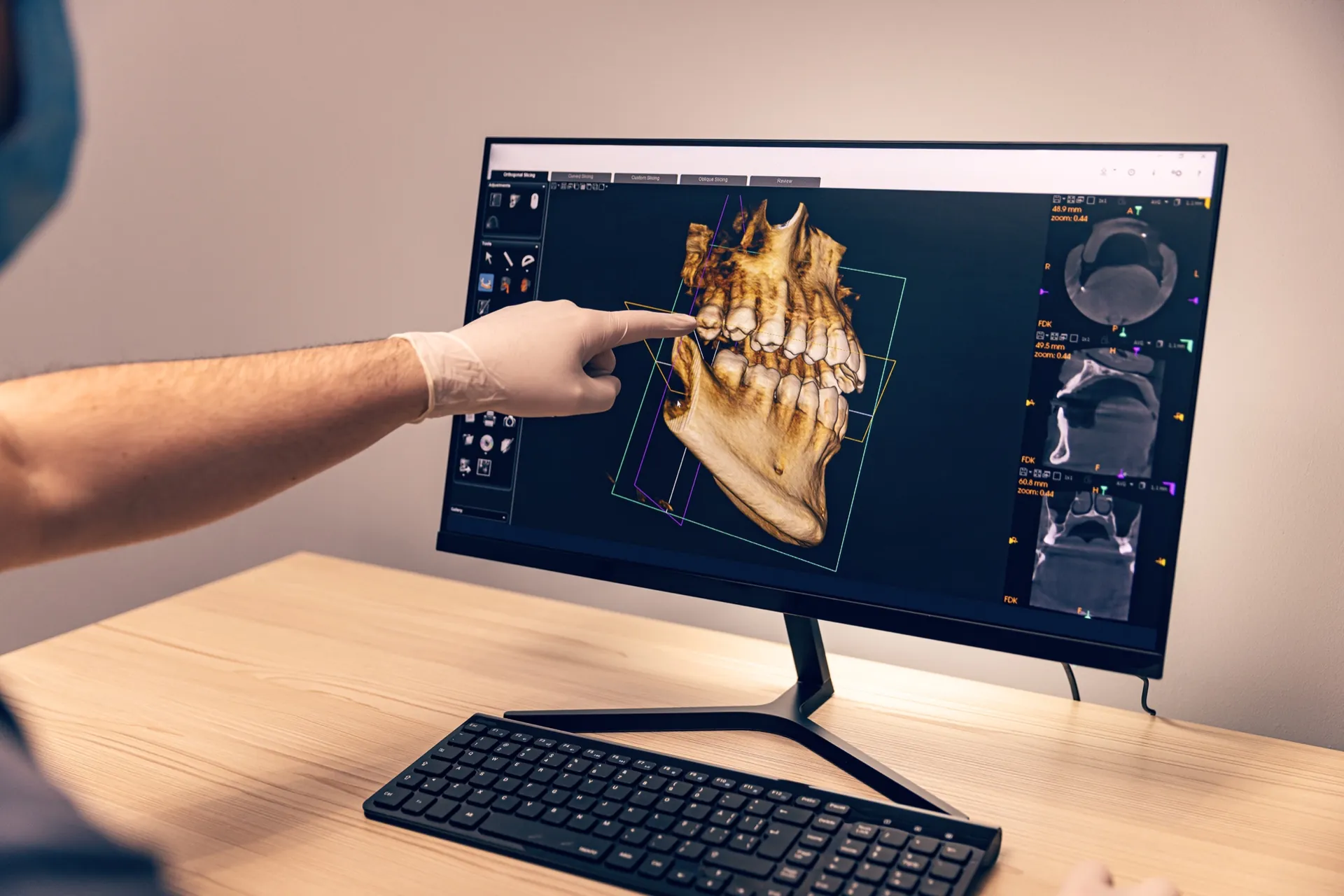
Dental examination identifies the type of discolouration and helps determine appropriate treatment.
Professional Options for Discoloured Teeth
A dentist can assess staining and offer suitable professional methods.
Professional teeth cleaning is often the first step. Trained staff remove accessible soft and hard deposits and surface stains. What can be removed depends on the clinical findings. This is often enough for superficial staining from coffee, tea or tobacco, revealing the natural tooth colour. Cleaning may take around 45–60 minutes; scope and interval are planned by findings and risk. Once or twice yearly is not a universal requirement.
Professional whitening can lighten natural teeth, but response varies individually. Fillings and crowns do not whiten with them. Different methods include:
- In-office whitening: carried out at the practice, with changes visible immediately
- Home whitening: individually made trays and a gel for use at home
- Internal whitening: for individual grey, non-vital teeth
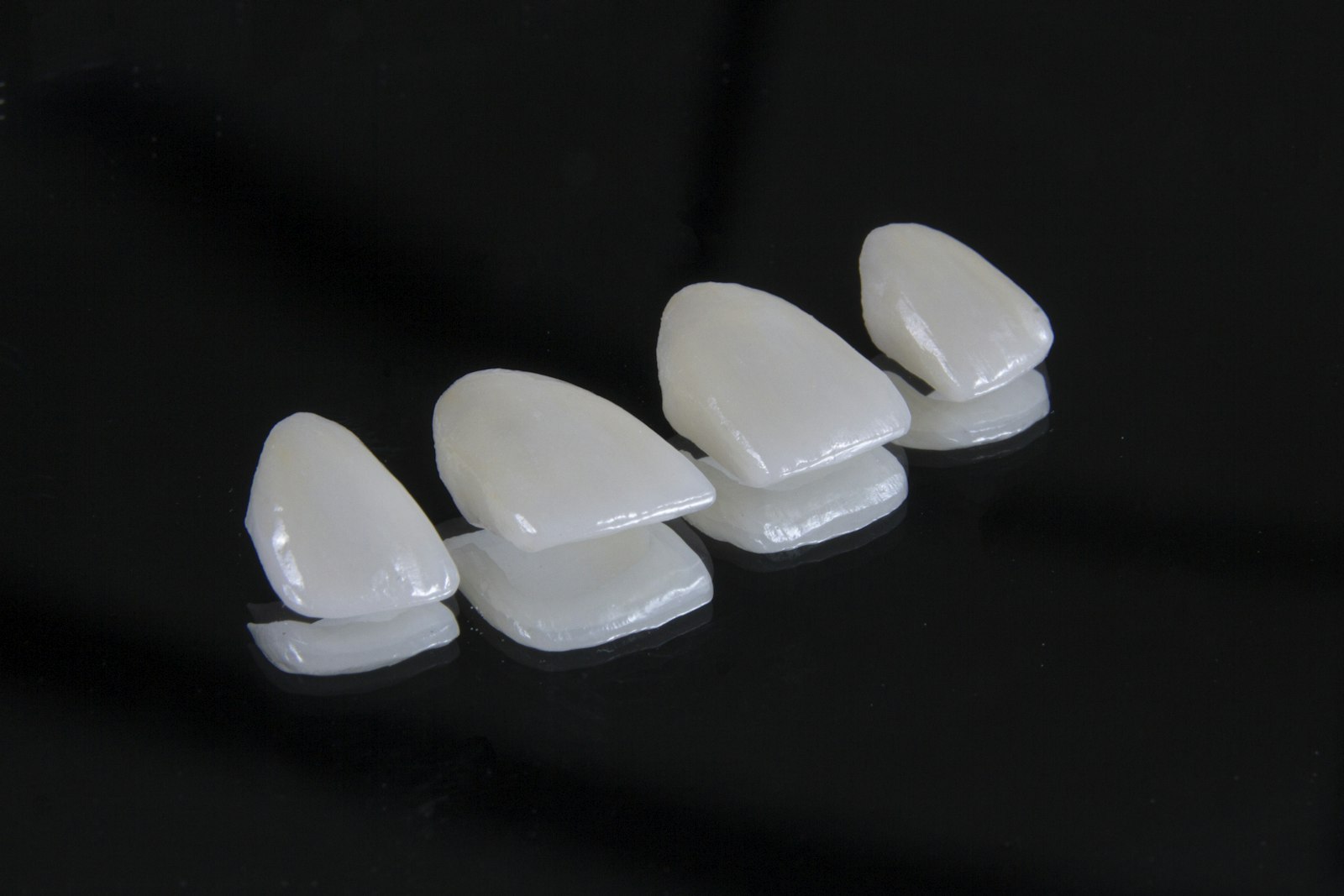
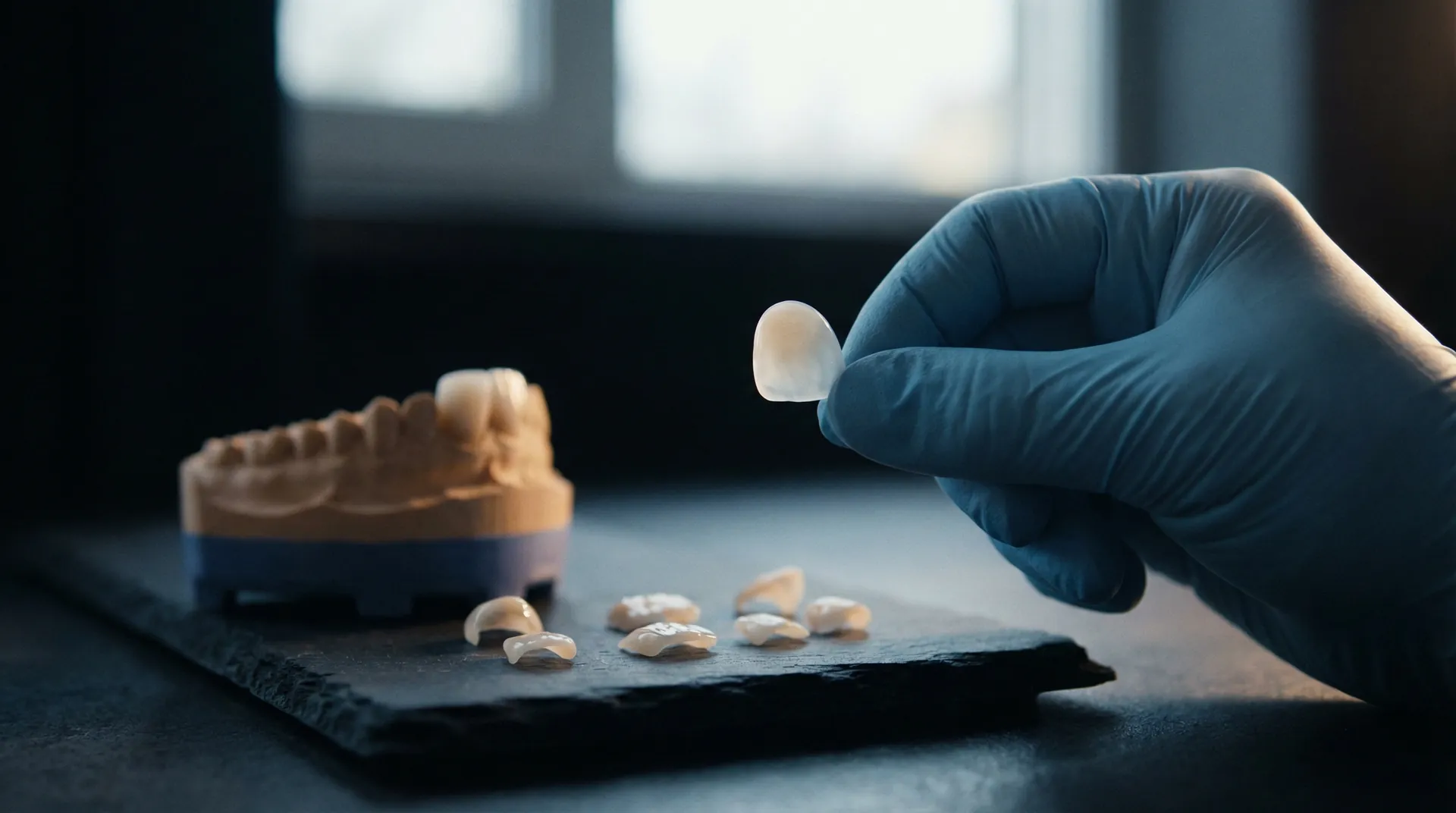
Suitability and risks are assessed before whitening. Temporary tooth sensitivity or gum irritation can occur even with appropriate professional use. Effects and risks depend on the product and application. For persistent internal discolouration that responds insufficiently, veneers may offer a more suitable longer-term aesthetic option.
Home Remedies: Why Caution Matters
Online suggestions often include baking powder, bicarbonate, charcoal or lemon juice for yellow teeth. Many such remedies may do more harm than good.
Baking powder and bicarbonate should not be used as homemade bleaching products without professional advice. Abrasiveness depends on the full formulation and application; not every toothpaste containing bicarbonate necessarily harms enamel.
Citric acid directly attacks enamel by dissolving minerals from the tooth, weakening it permanently.
Activated charcoal is popular, but studies indicate minimal whitening benefit and possible enamel damage from coarse particles.
What you can do instead:
- Brush thoroughly twice daily
- Use toothpaste with low abrasiveness, RDA below 70
- Rinse with water after coffee or wine
- Attend regular professional cleaning
Contents

Your dental consultation in Vienna
Discuss which treatment may suit your teeth and clinical findings.
Learn moreveneers-vienna