
You would like to improve the appearance of your teeth, but hesitate because you want to preserve your natural tooth structure. That is a reasonable concern. Conventional veneers require removal of up to 1 mm of tooth structure, an irreversible decision.
The good news: There are alternatives. Non-Prep Veneers and Composite Bonding offer aesthetic changes without, or with minimal, tooth reduction. The preparation needed and the result that may be possible depend on your clinical findings. Later removal without leaving a trace is not guaranteed.
Conventional Veneers vs Non-Prep Veneers: The Difference
| Conventional veneers | Non-Prep Veneers | |
|---|---|---|
| Tooth reduction | Removal depends on the tooth and restoration | No deliberate reduction; discuss any preparation needed beforehand |
| Longevity | Varies between individuals | No fixed individual guarantee |
| Reversibility | Not reversible | Removal without leaving a trace is not guaranteed |
| Cost per tooth (guide) | €750–2,500 | €750–2,500 |
The key distinction: non-prep veneers are minimally invasive. Even without deliberate reduction, the tooth surface is prepared for bonding. Discuss the consequences of later removal beforehand.
How Do Non-Prep Veneers Work?
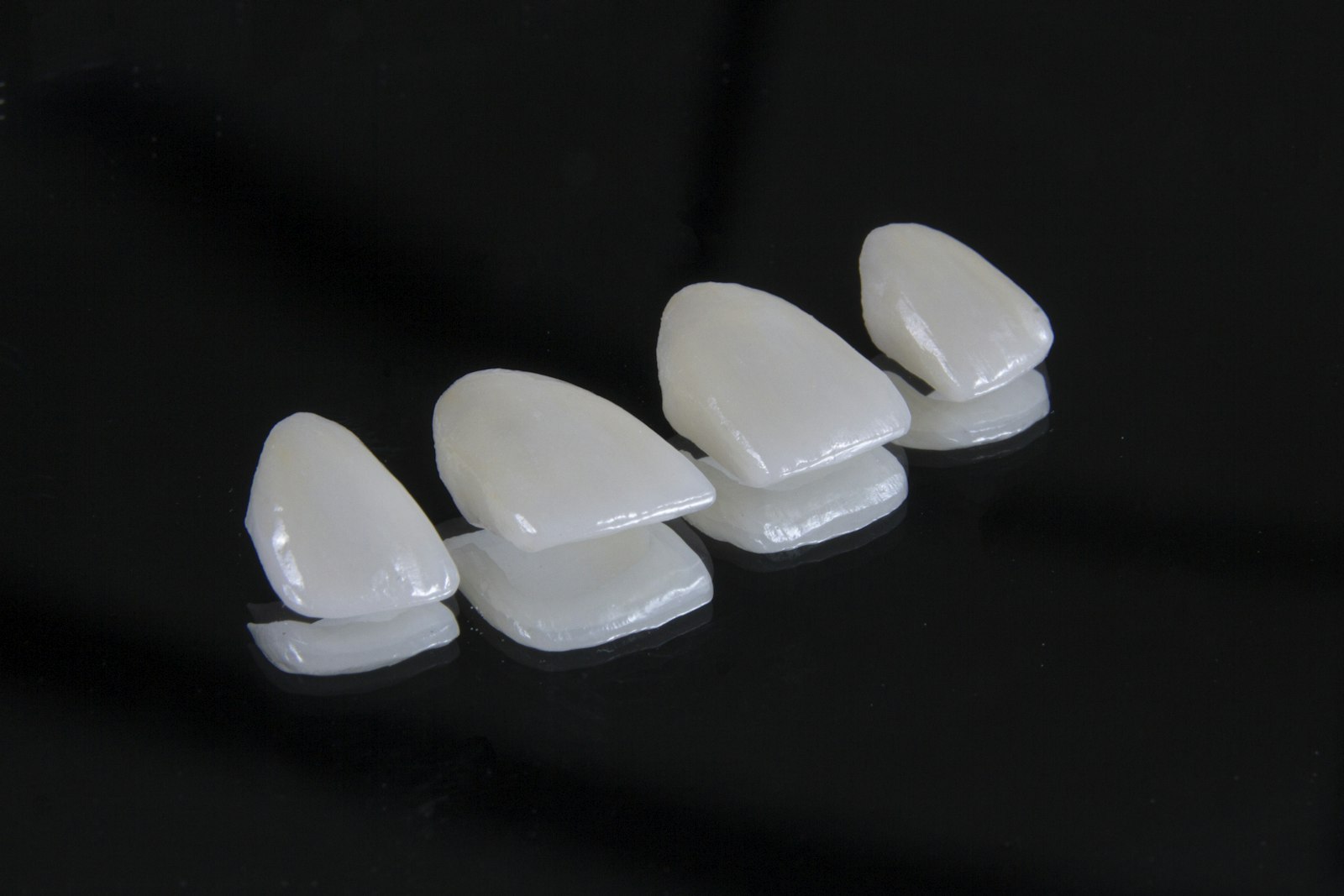
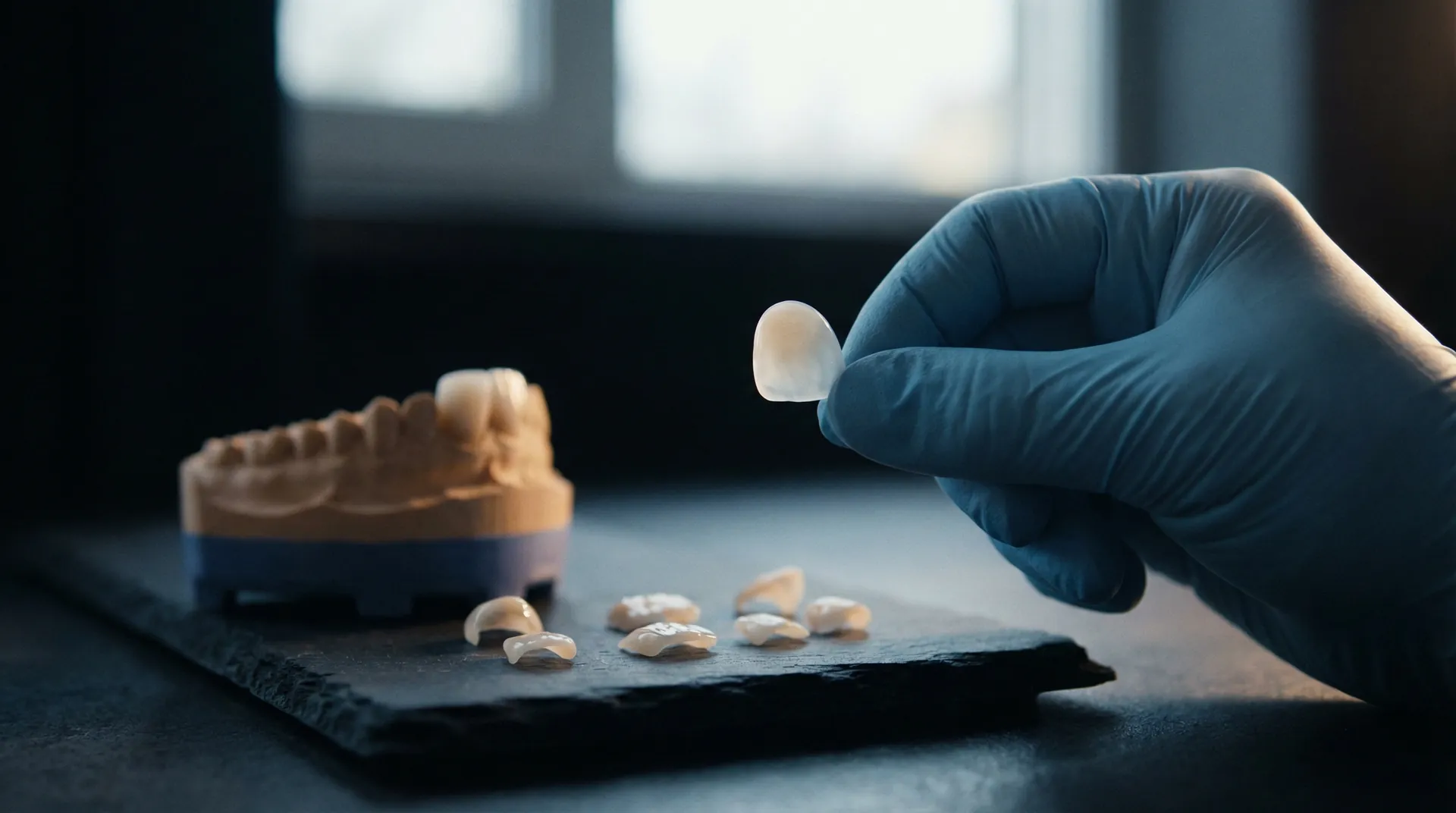
Non-prep veneers are thin ceramic shells bonded without deliberate removal of tooth structure. If tooth structure needs to be removed, this preparation is discussed with you separately.
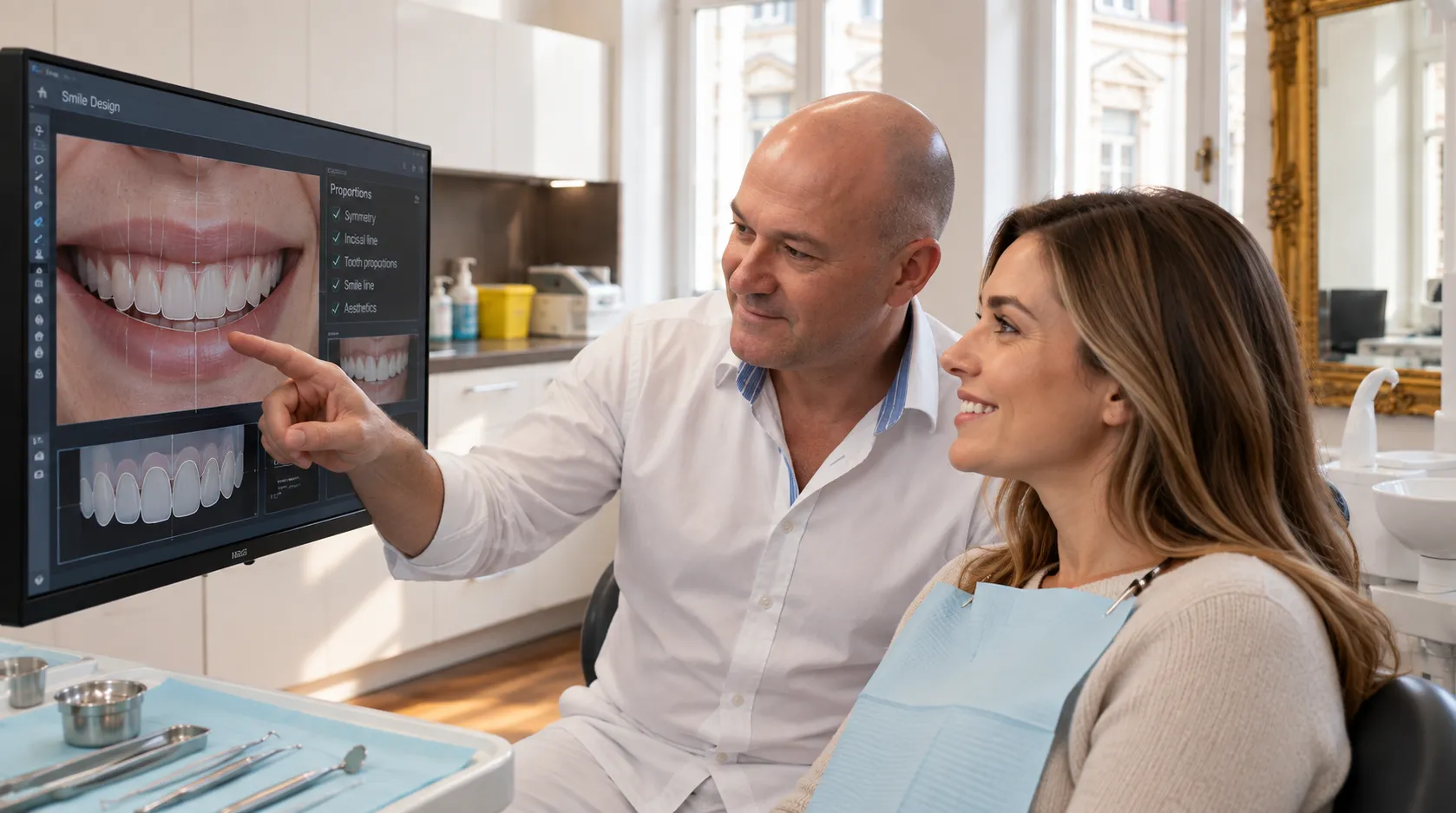
The process: The surface is cleaned and prepared for bonding as appropriate for the restoration. This differs from deliberate reduction to change its shape. A suitable ceramic shade is then selected; Digital Smile Design can help you discuss a possible design, but a simulation does not guarantee the result. The ceramic shell is bonded to the tooth with a special adhesive, excess material is removed and the adhesive is light-cured. Finally, the surface is polished for a natural appearance. The time needed depends on the planned restoration.
Composite Bonding: An Alternative for Quicker Changes
Composite bonding is a quicker, less expensive alternative to veneers. Tooth-coloured resin is applied and shaped directly on the tooth. Preparation, any local anaesthetic and the number of appointments depend on the clinical findings.
Advantages: Direct build-up on the tooth, with repair or refreshing potentially possible depending on the defect. The scope and work involved are planned individually.
Disadvantages: Longevity and repair needs vary. Resin tends to look slightly less natural than ceramic, can become stained by coffee, tea or red wine, and may chip.
Suitable for: quicker improvements, patients with a smaller budget, temporary solutions until definitive treatment, and minor corrections to individual teeth.
Which Approach May Suit You?
Non-Prep Veneers may be suitable if you would like to improve several teeth, want a long-term result, have high aesthetic expectations and are prepared to invest somewhat more, while wishing to preserve your tooth structure.
Composite Bonding may suit you if you want quicker changes, have a smaller budget, would like to correct individual teeth or need a temporary solution.
Conventional veneers remain an option if your teeth are severely discoloured, for example after root canal treatment, if a ceramic restoration is appropriate based on the clinical findings, or if your teeth are already damaged.
The Treatment Process at Smile4Life Vienna
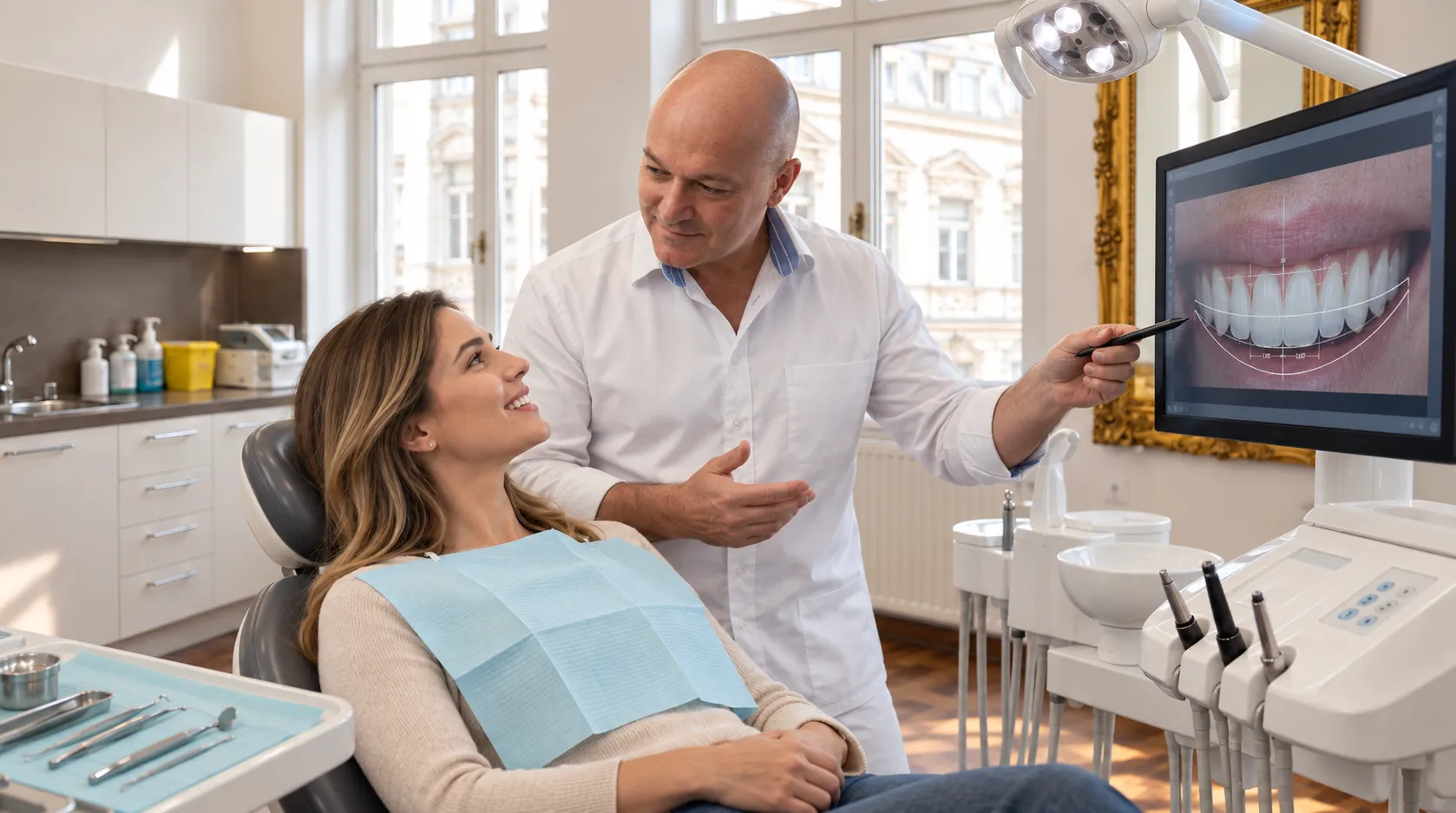
We discuss whether digital planning or a trial restoration in your mouth is appropriate and planned for your treatment. Examination and consultation come first. Depending on the restoration, a design, try-in and fabrication may follow. We clarify the scope and fabrication time during planning. Final shade matching and adjustments are made when the restoration is fitted, so you see the result straight away. Check-ups and care depend on the restoration and your clinical findings.
Costs and Insurance
For ceramic non-prep veneers, the typical market guide is €750–2,500 per tooth. Composite bonding is considerably less expensive, with a guide of €150–450 per tooth. All amounts are typical market guides, as shown on our prices page. A firm figure requires an examination: you receive your personal treatment cost plan after assessment at the practice and before treatment begins. Public health insurance does not cover either procedure when performed for aesthetic reasons. Some private supplementary policies cover part of the cost; it is best to ask your insurer beforehand.
Care and Longevity
Care for non-prep veneers as you would your natural teeth: brush twice daily, floss daily, avoid biting hard objects, take care with very hot and cold foods, and attend regular preventive appointments. A fixed individual lifespan cannot be promised. If the restoration loosens or is damaged, or new symptoms develop, it should be examined. Whether repair or replacement is appropriate depends on the clinical findings.
Would you like to change your teeth while preserving as much tooth structure as possible? Arrange a consultation at Smile4Life Vienna. We discuss which approach may suit you and its limitations.
Contents

Your dental consultation in Vienna
Discuss which treatment may suit your teeth and clinical findings.
Learn moreveneers-vienna