Smile4LifeADVANCED DENTAL AESTHETICS & IMPLANTOLOGY

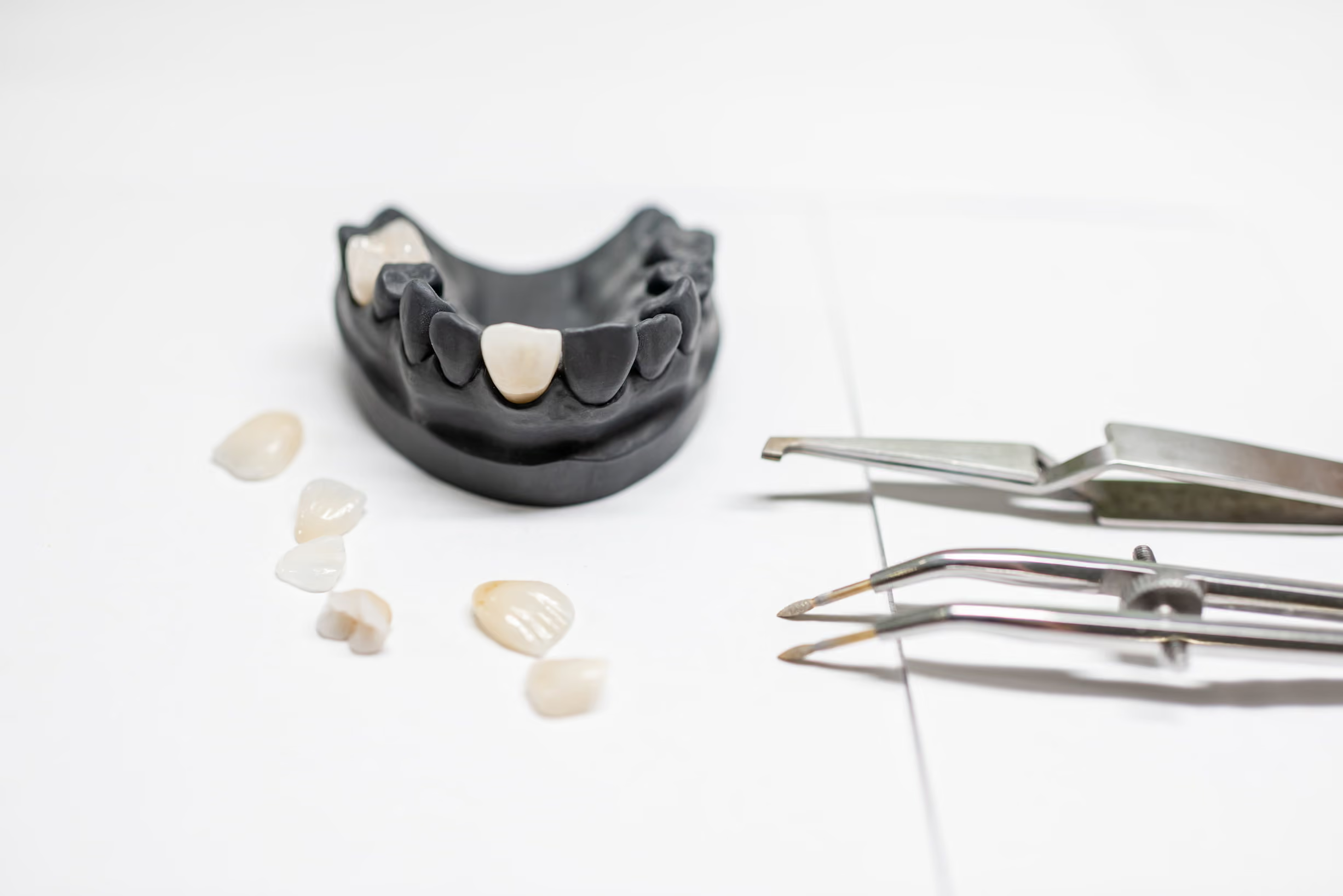
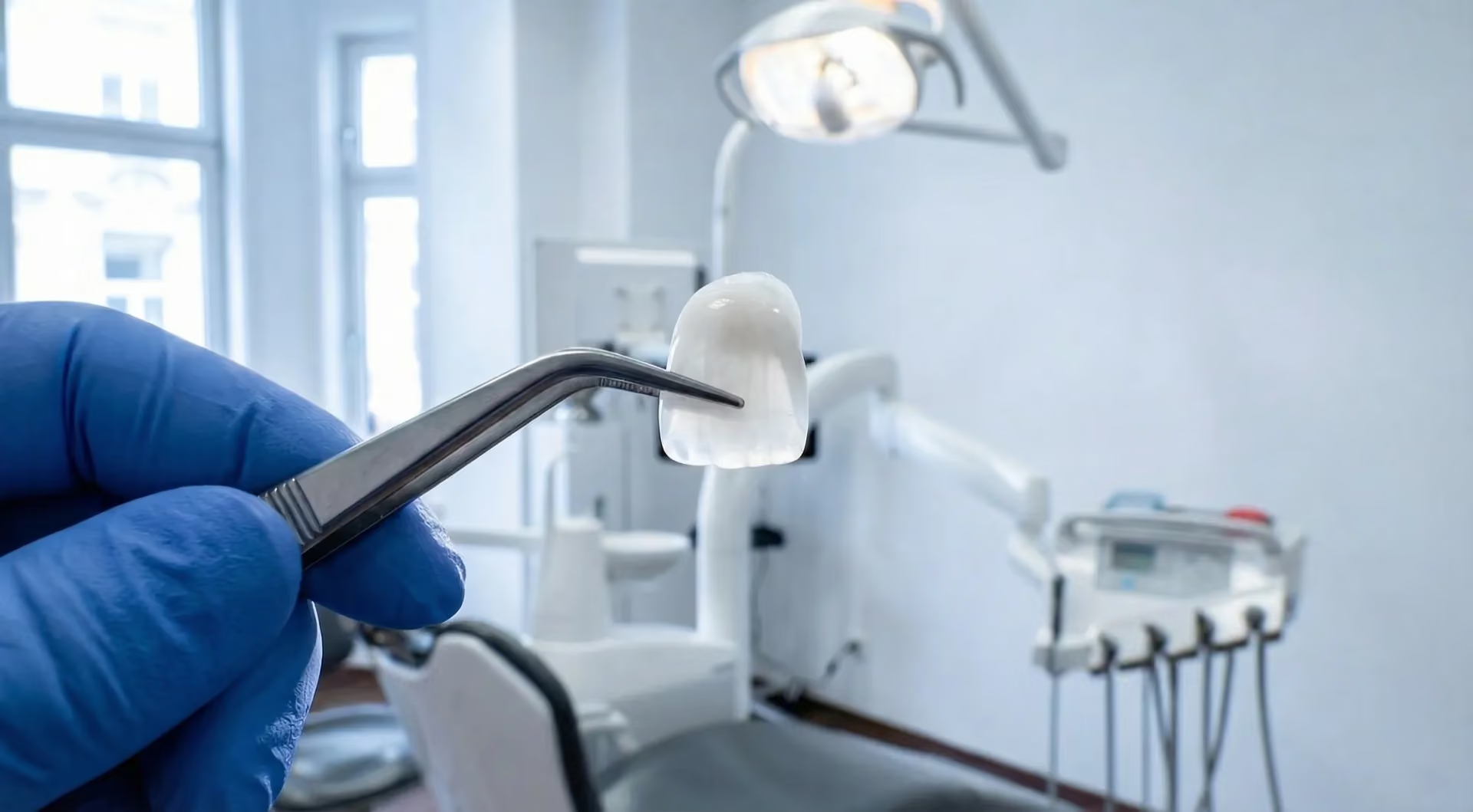
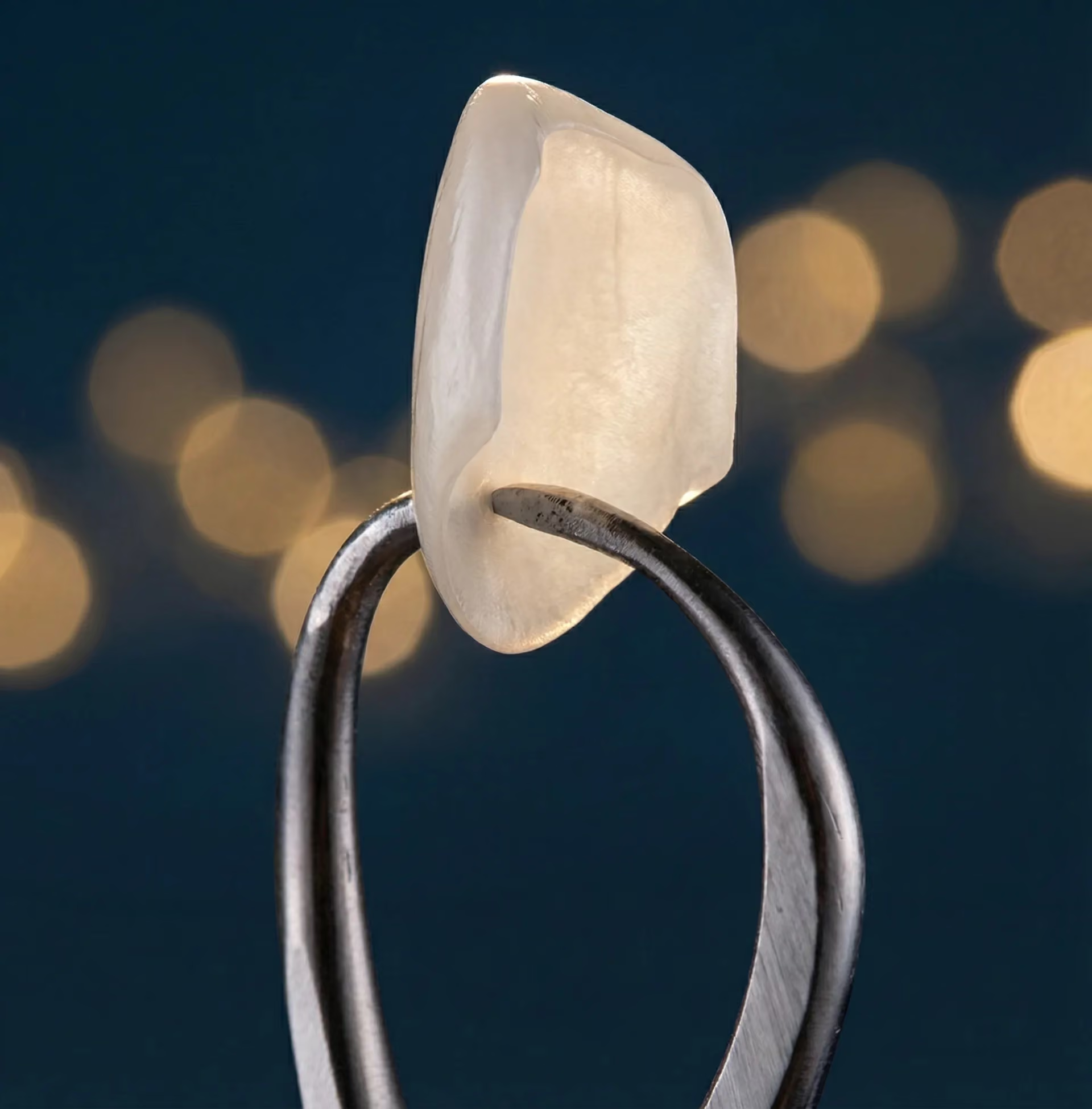
An ultra-thin ceramic shell is held with dental tweezers.
Veneers & Lumineers

Non-Prep Veneers: What Does Treatment Without Tooth Reduction Mean?

Want to preserve as much of your own teeth as possible? Together, we assess whether veneers without reduction suit your wishes.

Personal consultation

Keep natural teeth in focus

Plan shape together

Decide in your own time

Request an individual consultation

Non-Prep Veneers Vienna

non-prep-veneers-wien

  • What does non-prep mean for veneers?

    Non-prep involves no deliberate removal of tooth material. Suitability depends on the findings. The surface is still prepared for bonding; later removal without traces is not guaranteed.

    Understanding Lumineers as a brand →

What does non-prep mean?

“Non-prep” describes an approach without deliberate removal of tooth material before placement. It is an option only when tooth shape and position leave enough space and the desired result can reasonably be planned this way.

Even without reduction, the surface needs preparing for bonding. A bonded veneer therefore cannot be guaranteed to leave no trace when removed. Ask beforehand what is specifically planned for your tooth and what the consequences are.

Who may be suitable for non-prep?

Whether non-prep suits you can only be assessed after examination. This includes whether a veneer can be added without making the tooth too bulky or interfering with the bite. Tooth colour, position, gums and your goal also matter.

For darker teeth, a thin restoration may not fully mask the original colour. Personal assessment clarifies what can realistically be planned. This page provides a general overview of veneers.

Non-prep is not the same as Lumineers

Non-prep describes an approach without removing tooth material. Lumineers® is a ceramic veneer brand. The brand name alone does not determine whether treatment without reduction is possible. Please clarify with the practice whether this product is currently offered at Smile4Life before specific planning.

Other approaches may also suit your concern. The comparison of veneer types and alternatives provides guidance on different treatments. Suitable options for your teeth are discussed individually.

What does this mean for planning?

Before deciding, understand whether tooth structure would be removed, how the surface would be prepared and what later removal would involve. A preview may support discussion of shape and length if offered in your case; it does not replace an examination or guarantee a result.

The veneer treatment procedure describes planning and possible steps. Questions about individual costs are addressed under veneer costs.
Brush twice daily and clean between your teeth every day. We tailor check-up intervals to your situation. If you grind, we discuss suitable protection.

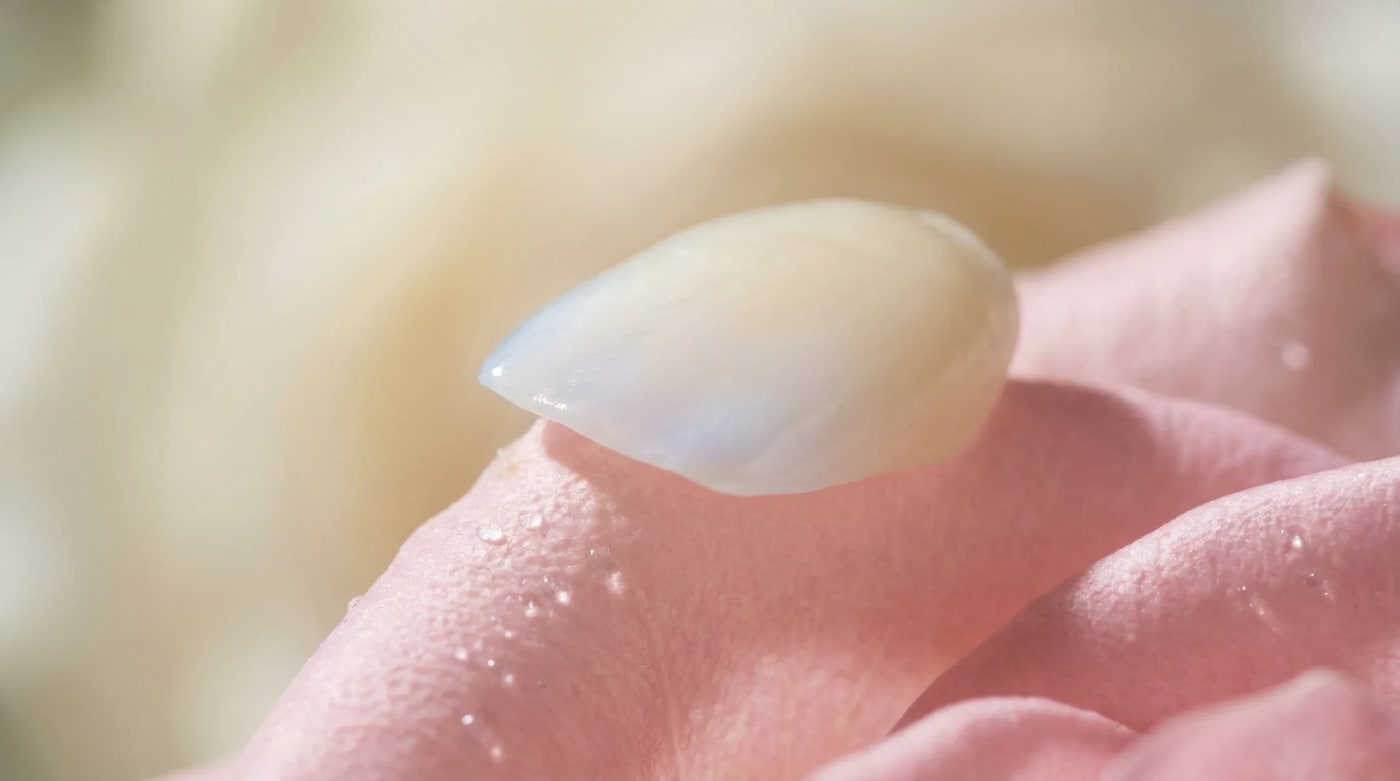
Thin tooth-coloured veneer shell on a fingertip.

Even a very thin veneer needs space. Before treatment, we clarify whether your teeth need preparation. Thickness alone does not answer this question.

YOUR OPTIONS

TREATMENT OPTIONS COMPARED

We will discuss payment terms with you prior to treatment.

Advanced Dental Aesthetics & Implantology

Priv.Doz.Dr.Dr. K. Yerit

With suitable starting conditions, non-prep veneers can avoid deliberate tooth reduction. We assess on your teeth whether additional material can reasonably fit.

View profile →

Scientific references

Institute for Implantology and Digital Dentistry Vienna

Österreichische Gesellschaft für Ästhetische Zahnheilkunde

European Academy of Esthetic Dentistry (EAED)

International Federation of Esthetic Dentistry (IFED)

American Academy of Esthetic Dentistry (AAED)

Yerit Practice – Dentist Vienna

Frequently asked questions

Frequently asked questions

Are non-prep veneers less expensive than conventional veneers?
Can non-prep veneers whiten very dark teeth?
Can I try non-prep and change to conventional veneers later?
What are non-prep veneers and Lumineers?
Do non-prep veneers last longer?

Do you have a specific question about your diagnosis? Book a consultation appointment directly →

Questions about your treatment?

Discuss what matters to you and what the next steps look like with us.

Book your appointment now

SCIENTIFIC STUDIES

Evidence-based medicine

The sources help to classify the possibilities and limitations of the treatment. Their results are not a guarantee for any individual case.

Yilmaz S et al. (2025). Clinical Performance Comparison of Prepless and Minimally Invasive Ceramic Laminate Veneer Restorations: A Prospective Clinical Study

This prospective study compared 110 veneers in twelve people over one year. Veneers placed without tooth reduction fractured more often. This small, short study does not establish a general ranking for all non-prep or ceramic veneers. Published online in 2025, in print in 2026.

41391014

Al-Mokdad A et al. (2024). Clinical Success Evaluation of Ultrathin Ceramic Veneers Bonded to Nonprepared Teeth: An Observational Prospective Cohort Study

A prospective study followed 60 ultra-thin ceramic veneers on unprepared teeth for one year. All were judged clinically successful during this period. Without a comparison group and with only one year of observation, this is neither a long-term finding nor a personal success guarantee.

39246643

Ferraris F (2026). Direct or indirect veneers? Overview with a focus on ceramic restorations

This clinical-scientific overview discusses direct composite and indirect ceramic veneers with differing advantages and describes long-term ceramic outcomes. It is a review, not an original direct comparative study; material selection remains dependent on findings (The International Journal of Esthetic Dentistry, 2026).

42187259

Alqutaibi AY et al. (2024). Clinical survival and complication rate of ceramic veneers bonded to different substrates: A systematic review and meta-analysis

The review of six clinical studies showed that the condition of the tooth surface matters for bonding and subsequent outcomes. Continued use and a course without repair were assessed separately. Different observation periods and sometimes wide uncertainty ranges limit comparison; the figures are not an individual longevity forecast. Online 2024, print year 2025.

38604905

Alghazzawi TF (2024). Clinical Survival Rate and Laboratory Failure of Dental Veneers: A Narrative Literature Review

This narrative review summarises clinical and laboratory veneer studies. It describes generally high long-term survival and fractures as a frequent cause of failure. Different materials, preparations and study designs do not permit an individual durability promise or blanket application to every non-prep or branded restoration. (Alghazzawi, 2024.)

38786642

Klein P et al. (2025). Survival and Complication Rates of Feldspathic, Leucite-Reinforced, Lithium Disilicate and Zirconia Ceramic Laminate Veneers: A Systematic Review and Meta-Analysis

The review of 29 studies reported pooled survival at 10.4 years of 96.1 % for feldspathic ceramic, 93.7 % for leucite-reinforced glass ceramic and 96.8 % for lithium disilicate. There was no statistically established survival difference between materials; this does not prove equivalence. Technical complications were 6.1 % for lithium disilicate and 41.5 % for feldspathic ceramic. Only shorter-term data were available for zirconia, with no long-term figures. Different studies and endpoints do not permit a personal longevity guarantee. (Klein et al., 2025; online 2024.)

39523553

Mazzetti T et al. (2022). 10-year practice-based evaluation of ceramic and direct composite veneers

The practice-based evaluation compared 1459 ceramic and direct composite veneers over ten years. Repairs and losses were assessed separately. The frequently quoted annual rates of 2.9/2.8 % for ceramic and 9.1/10 % for composite refer to failure to achieve success without intervention, not solely to veneer loss. Results from one practice are not an individual longevity forecast.

35379471

Panayong T et al. (2024). Long-Term Outcomes of Ceramic Veneer Restorations: A Comprehensive Analysis of Clinical and Patient-Reported Metrics

After 9 to 10 years, ceramic veneer survival was 89.3 %. Only 9.87 % were entirely free of problems; 79.4 % remained functional with findings such as material defects, secondary decay or gum problems, and 10.73 % were classified as failures (Journal of Esthetic and Restorative Dentistry, 2024).

39639467

Research findings help inform treatment decisions; they do not guarantee an individual outcome. We discuss suitable options with you based on your clinical findings and the planned treatment.

Evidence-based dentistry

ESCD
DGÄZ
AACD
AAED
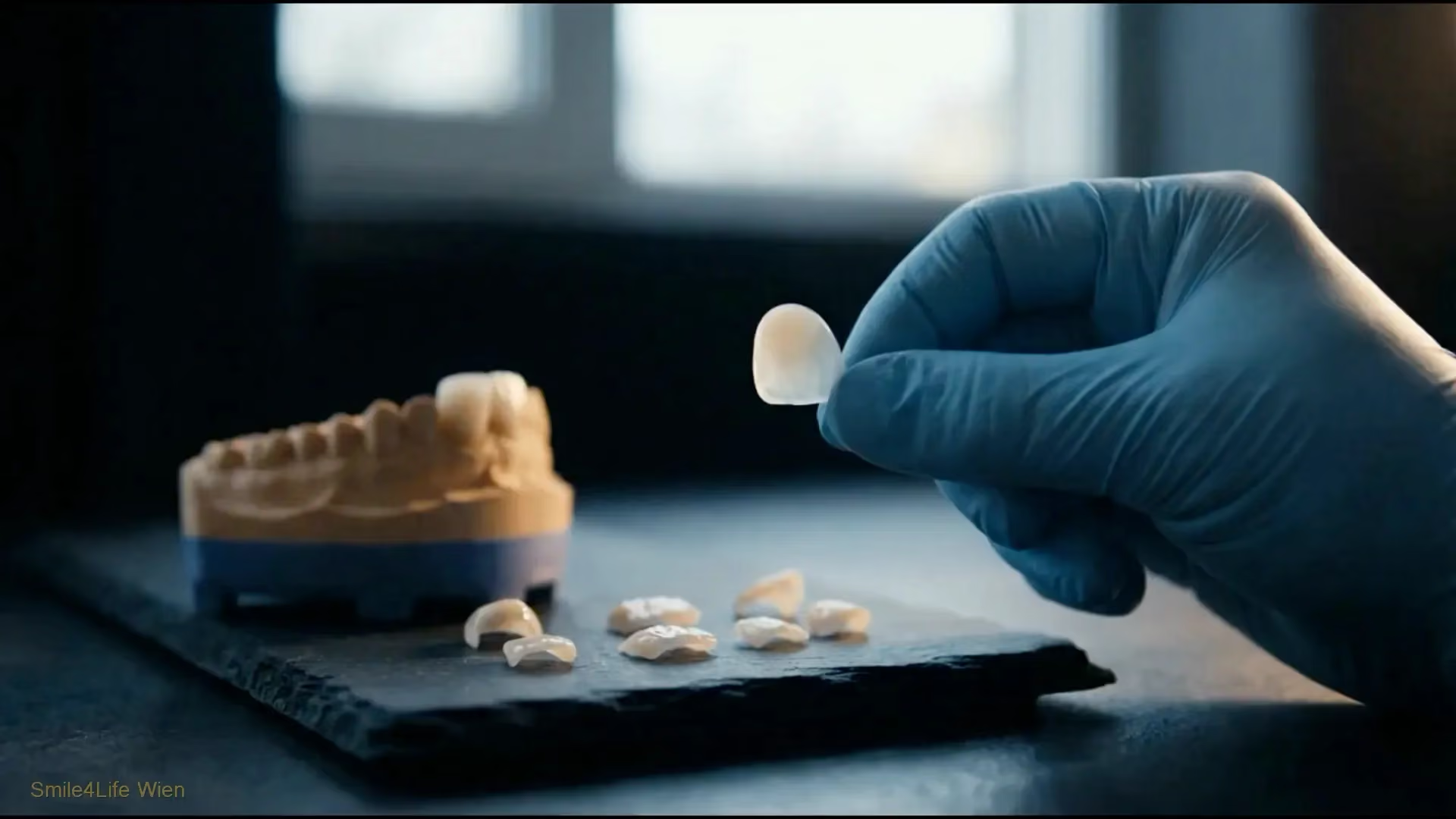
A gloved hand holding a single ceramic shell above a jaw model

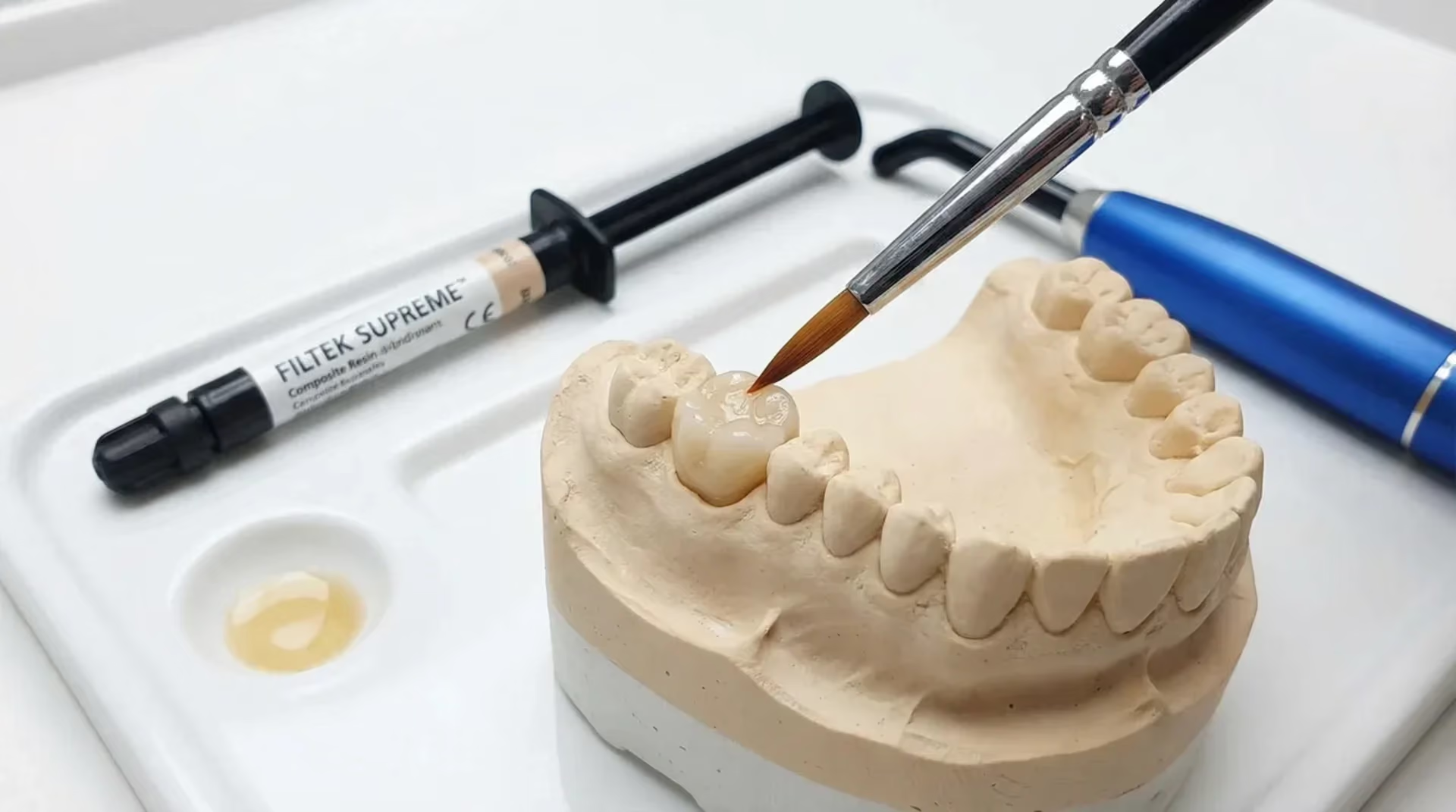
Made to suit your teeth

The dental laboratory makes the ceramic veneers. Shape and colour are matched to your teeth during planning.

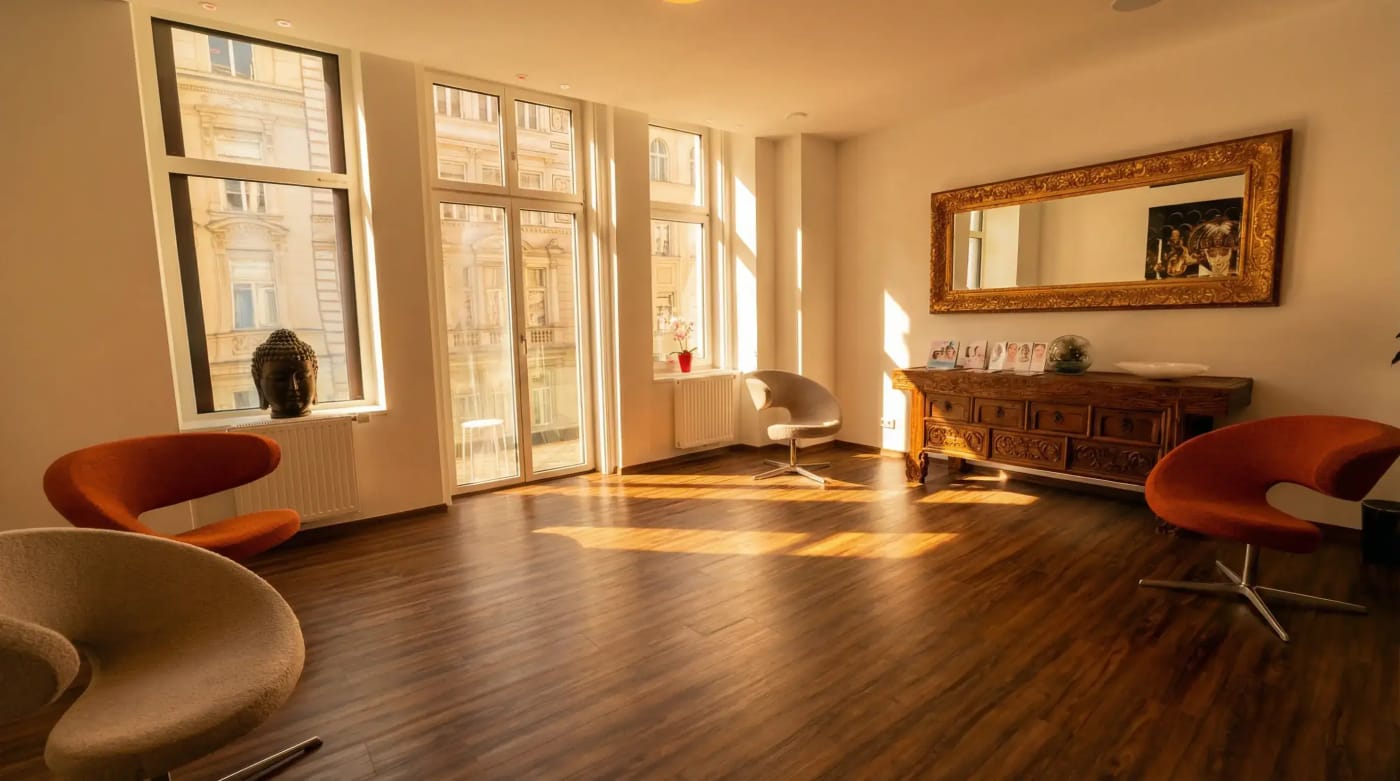
Bright waiting area with large windows, chairs and a gold-framed wall mirror.

Kärntner Straße 9

100 meters from Stephansplatz, Innere Stadt.

Personal Consultation

Priv.Doz.Dr.Dr. K. Yerit

During a personal consultation, we will discuss your goals and the appropriate treatment options. The information on this page does not replace such an examination.

Partnerships & Memberships & References