Smile4LifeADVANCED DENTAL AESTHETICS & IMPLANTOLOGY

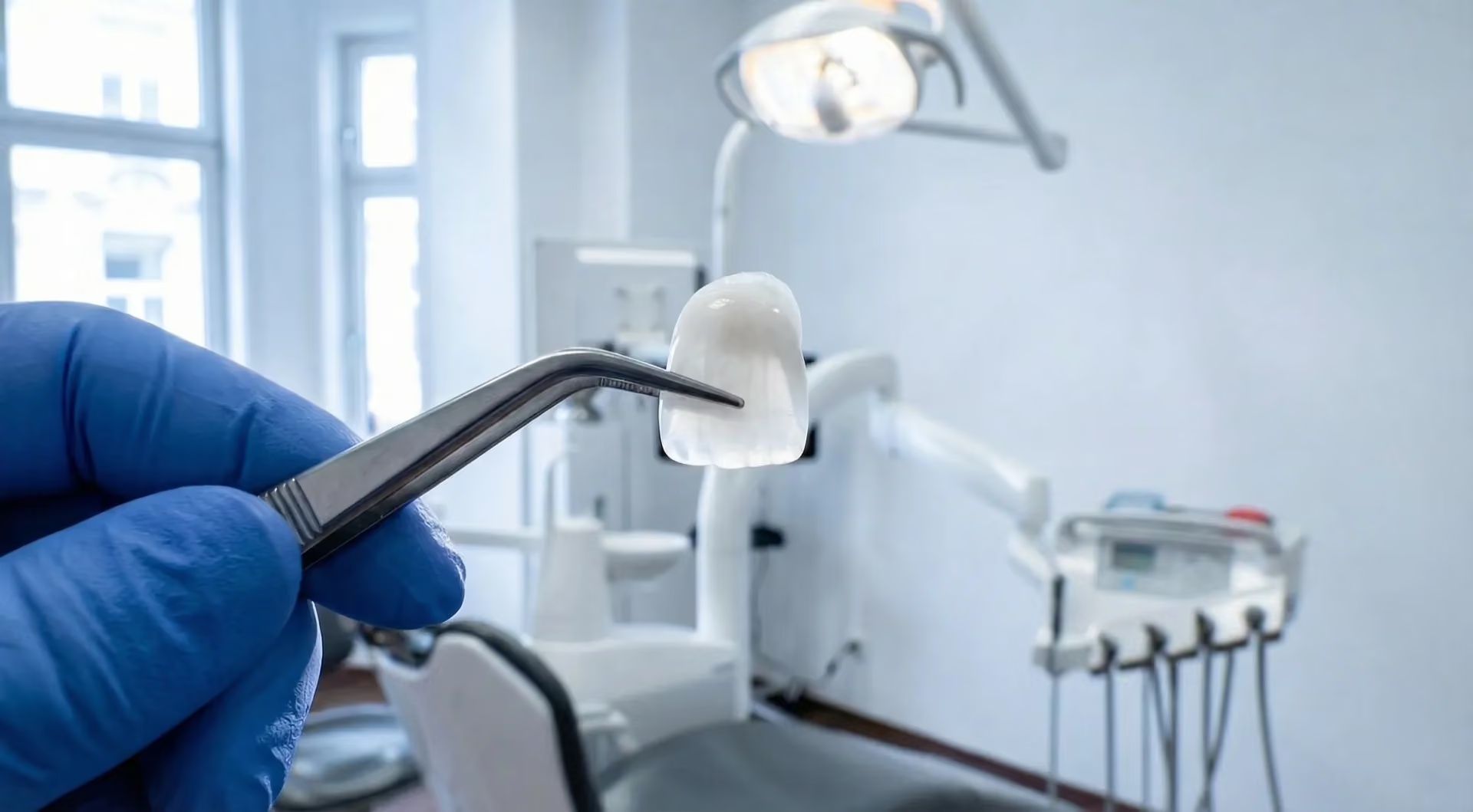
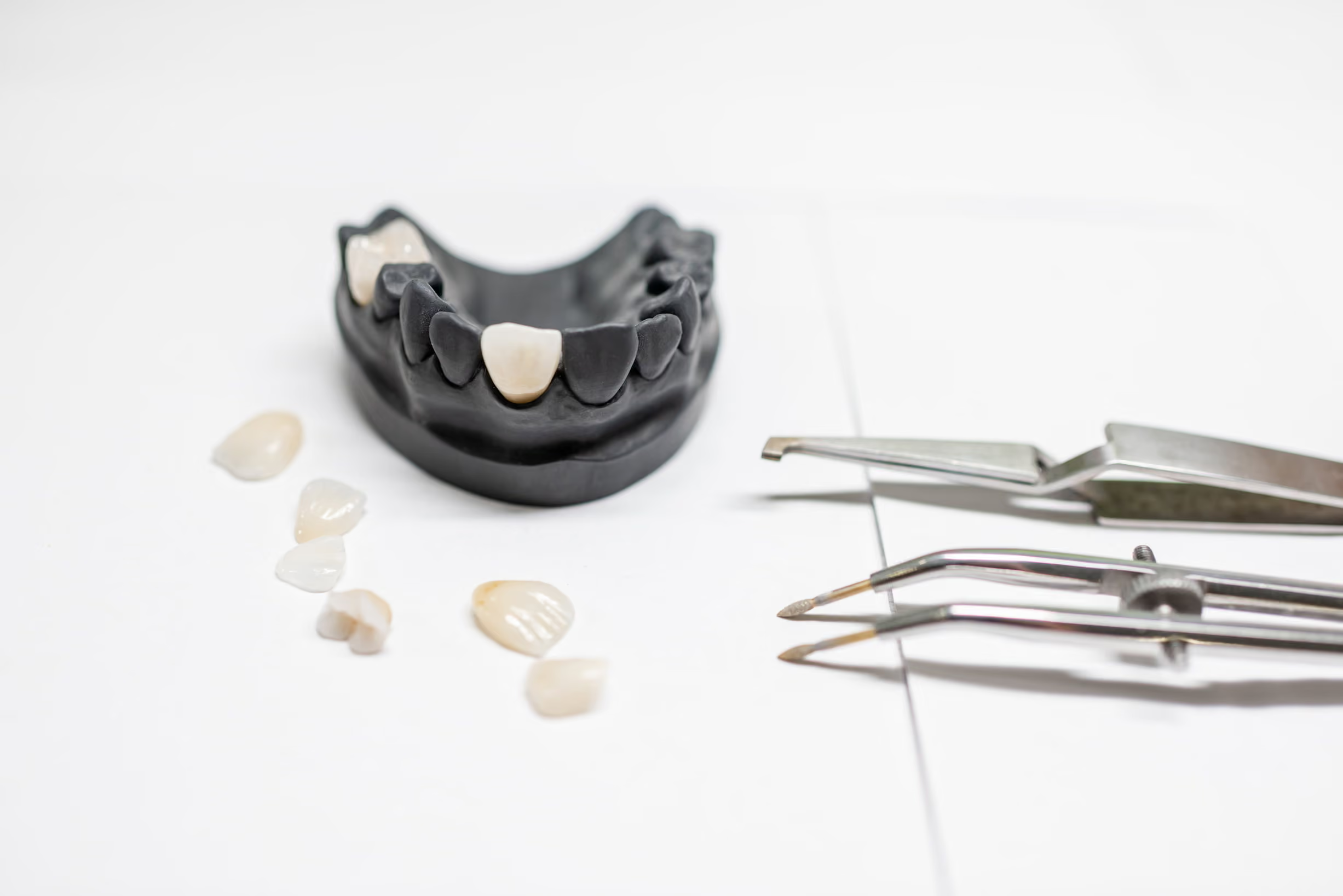
A tooth model, ceramic veneers and dental instruments on a work surface.
Veneers & Lumineers

How Does Veneer Treatment Work?

Want to know what treatment involves? We explain the procedure and plan the next steps with you.

The procedure clearly explained

Individual planning

Discuss a preview

Time for your questions

Discuss the process personally

Veneer Treatment Procedure Vienna

veneers-ablauf-wien

  • How does veneer treatment work?

    First, findings and options are discussed. If veneers are suitable, you plan shape and preparation together. Depending on the restoration, try-in, bonding and individual aftercare planning follow.

    To the veneers overview →

The procedure at a glance

From personal consultation and preview through preparation and manufacture to try-in, bonding and follow-up checks.

Digital Smile Design graphic with smile planning lines, a tooth model, a wax-up and views of teeth.

The procedure begins with examination and discussion

We start by asking what you want to change about your teeth. Examination assesses teeth, gums and bite, among other things. You can then discuss which options suit your findings and expectations.

Veneers are not suitable for every concern. If another treatment is needed first or an alternative better suits your goal, this should be part of the discussion. The veneers overview provides an overview; comparison options are available under veneers and alternatives compared.

Before treatment: clarify shape, colour and preparation

Before manufacture, discuss the planned shape and colour and how they fit your other teeth with the treating practice. A preview or temporary mock-up may support discussion if offered and suitable for your plan. It does not promise a particular result.

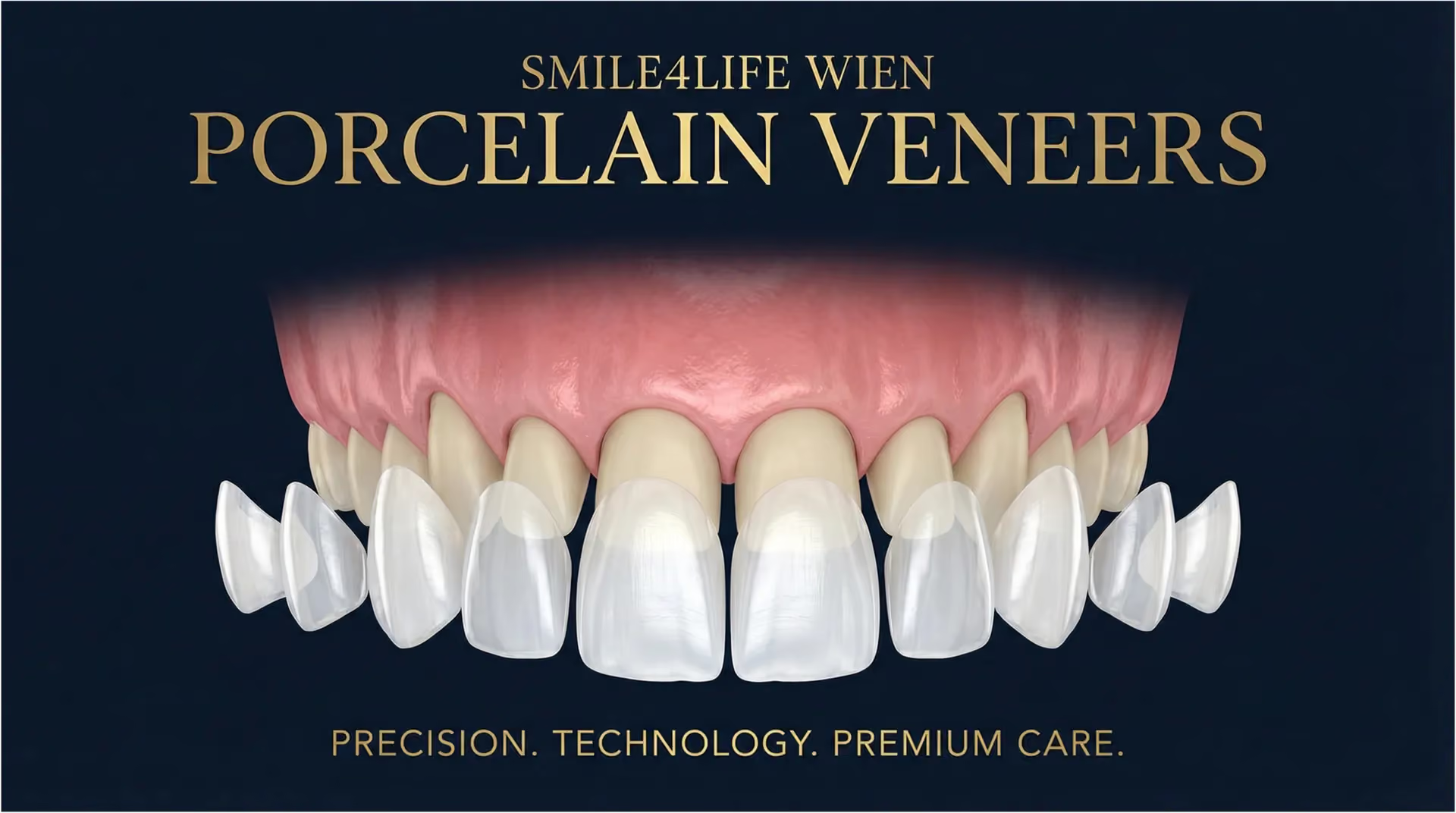
Also ask whether tooth structure needs preparing and what the consequences are. Necessary preparation depends on the individual tooth. Non-prep veneers may be an option under suitable conditions; the term alone does not establish your suitability.

Manufacture, try-in and bonding

Depending on the selected restoration, veneers are prepared or manufactured and then adjusted. Fit, shape and colour should be discussed with you before final bonding. Raise questions or requested changes before this step.

Laboratory ceramic veneers usually involve at least two treatment appointments: preparation with impressions or a digital scan, followed later by try-in and bonding. Examination, planning and possibly a mock-up are additional. Composite veneers often need fewer visits.

The intermediate steps and use of a temporary restoration depend on your individual plan. A temporary restoration can protect prepared teeth until veneers are fitted. It is later removed and is less durable under load than the final restoration. Follow your personal eating and cleaning instructions, avoiding hard or sticky foods accordingly. Contact the practice if the temporary protection comes loose. Do not reattach it yourself or use household glue. The cost overview and cost factors are explained on the dedicated cost page.

After placement: advice and checks

After placement, you receive advice tailored to your treatment. Ask what to watch for initially, when a check is planned and whom to contact about symptoms or damage.

Information on daily care and possible warning signs is available under veneer aftercare. For guidance on treatment options, return to the veneers overview.
We plan examination, preparation and try-in with you. The number of appointments depends on your teeth.

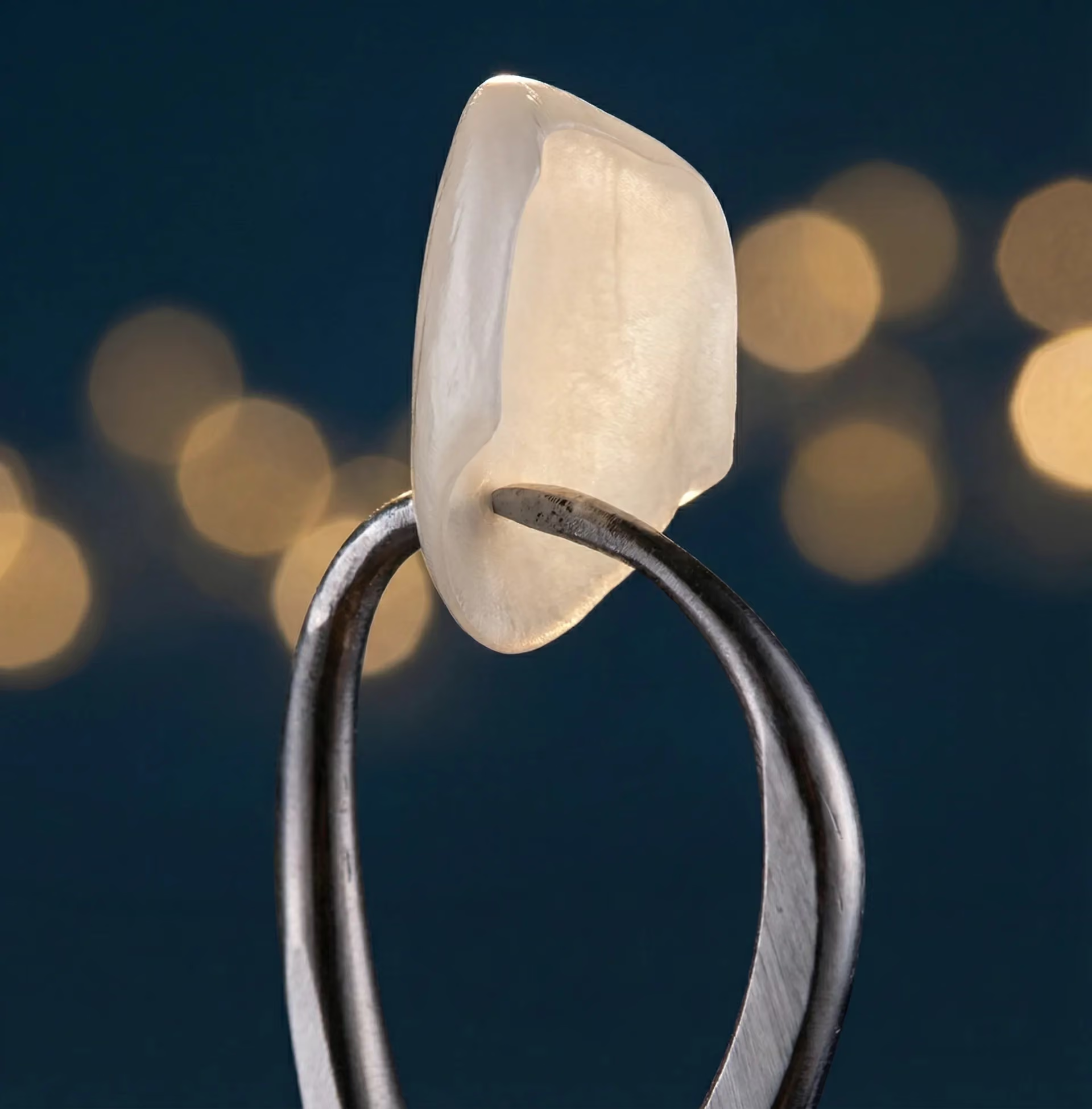
Thin tooth-coloured veneer shell on a fingertip.

Even a very thin veneer needs space. Before treatment, we clarify whether your teeth need preparation. Thickness alone does not answer this question.

YOUR OPTIONS

TREATMENT OPTIONS COMPARED

We will discuss payment terms with you prior to treatment.

Advanced Dental Aesthetics & Implantology

Priv.Doz.Dr.Dr. K. Yerit

We organise each step of veneer treatment to help you feel informed and supported, from the first consultation to aftercare.

View profile →

Scientific references

Institute for Implantology and Digital Dentistry Vienna

Österreichische Gesellschaft für Ästhetische Zahnheilkunde

European Academy of Esthetic Dentistry (EAED)

International Federation of Esthetic Dentistry (IFED)

American Academy of Esthetic Dentistry (AAED)

Yerit Practice – Dentist Vienna

Frequently asked questions

Frequently asked questions

Does my tooth need to be reduced?
Can I eat normally immediately after bonding?
How many appointments do veneers need?
What happens to temporary veneers?
What happens if a veneer breaks?

Do you have a specific question about your diagnosis? Book a consultation appointment directly →

Questions about your treatment?

Discuss what matters to you and what the next steps look like with us.

Book your appointment now

SCIENTIFIC STUDIES

Evidence-based medicine

The sources help to classify the possibilities and limitations of the treatment. Their results are not a guarantee for any individual case.

Al-Shorman HM et al. (2024). The Effect of Various Preparation and Cementation Techniques of Dental Veneers on Periodontal Status: A Systematic Review and Meta-Analysis

A meta-analysis of nine studies found an association between veneers and more favourable periodontal findings (odds ratio 0.18; relative risk 0.34), with substantial heterogeneity between studies. This does not support recommending veneers for untreated gum disease. The paper does not contain a separate analysis by preparation or cementation technique (European Journal of Dentistry, 2024).

38331043

De Angelis F et al. (2021). Retrospective clinical evaluation of a no-prep porcelain veneer protocol

Of 108 ceramic veneers placed without tooth reduction, 78 were reassessed after three to five years. Survival was 97.4 % and success 91 %. This retrospective study without a comparison group emphasises careful selection; it does not establish ten-year durability. Published online in 2021, in print in 2023.

34059296

Ferraris F (2026). Direct or indirect veneers? Overview with a focus on ceramic restorations

This clinical-scientific overview discusses direct composite and indirect ceramic veneers with differing advantages and describes long-term ceramic outcomes. It is a review, not an original direct comparative study; material selection remains dependent on findings (The International Journal of Esthetic Dentistry, 2026).

42187259

Alqutaibi AY et al. (2024). Clinical survival and complication rate of ceramic veneers bonded to different substrates: A systematic review and meta-analysis

The review of six clinical studies showed that the condition of the tooth surface matters for bonding and subsequent outcomes. Continued use and a course without repair were assessed separately. Different observation periods and sometimes wide uncertainty ranges limit comparison; the figures are not an individual longevity forecast. Online 2024, print year 2025.

38604905

Alghazzawi TF (2024). Clinical Survival Rate and Laboratory Failure of Dental Veneers: A Narrative Literature Review

This narrative review summarises clinical and laboratory veneer studies. It describes generally high long-term survival and fractures as a frequent cause of failure. Different materials, preparations and study designs do not permit an individual durability promise or blanket application to every non-prep or branded restoration. (Alghazzawi, 2024.)

38786642

Imburgia M et al. (2019). Minimally invasive vertical preparation design for ceramic veneers: a multicenter retrospective follow-up clinical study of 265 lithium disilicate veneers

A retrospective study of 265 lithium disilicate veneers in 53 people with a vertical preparation margin at an average of 4.5 years observed clinical survival of 99.6 %. This is not a personal long-term guarantee (The International Journal of Esthetic Dentistry, 2019).

31312814

Research findings help inform treatment decisions; they do not guarantee an individual outcome. We discuss suitable options with you based on your clinical findings and the planned treatment.

Evidence-based dentistry

ESCD
DGÄZ
AACD
AAED
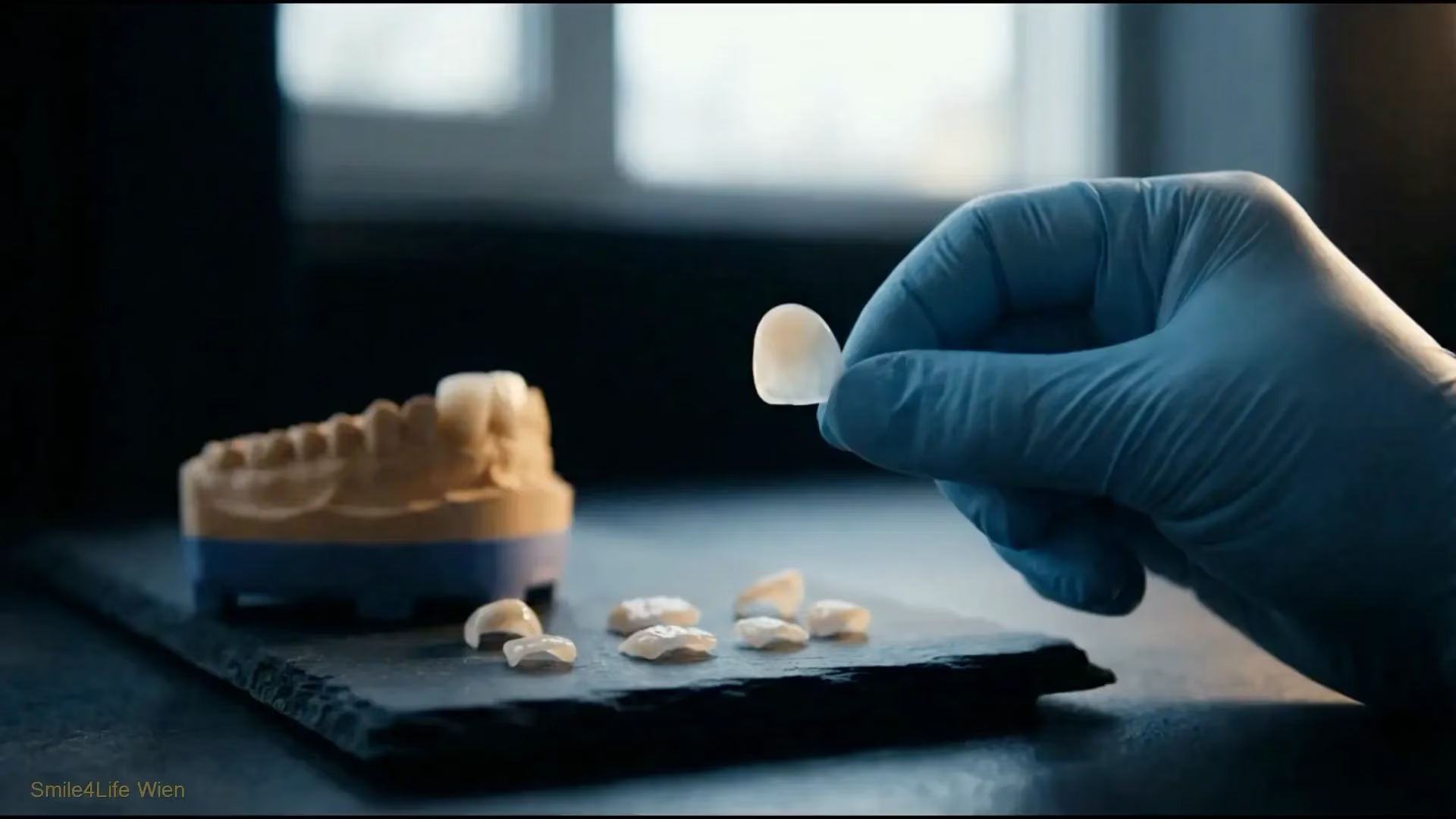
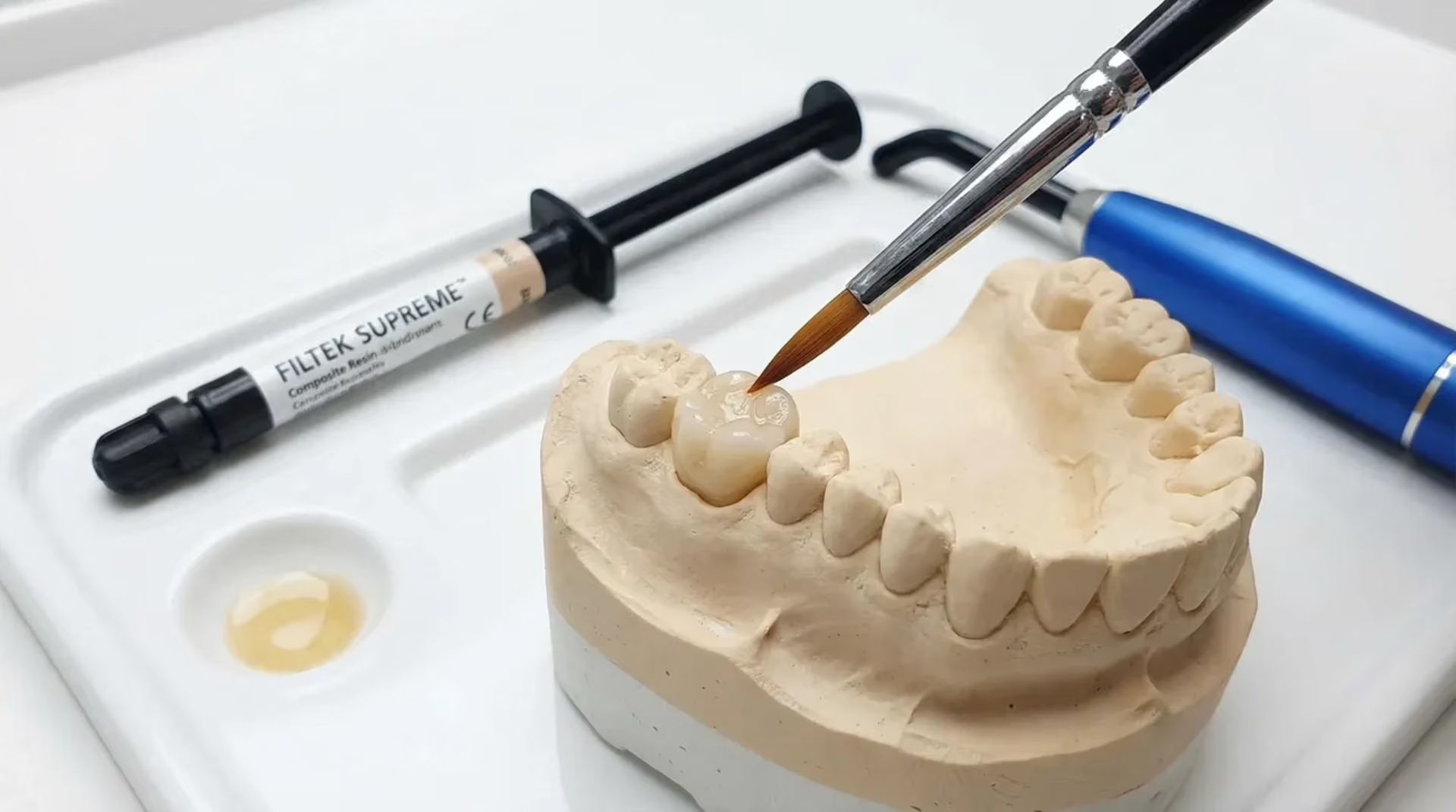
A gloved hand holding a single ceramic shell above a jaw model

Made to suit your teeth

The dental laboratory makes the ceramic veneers. Shape and colour are matched to your teeth during planning.

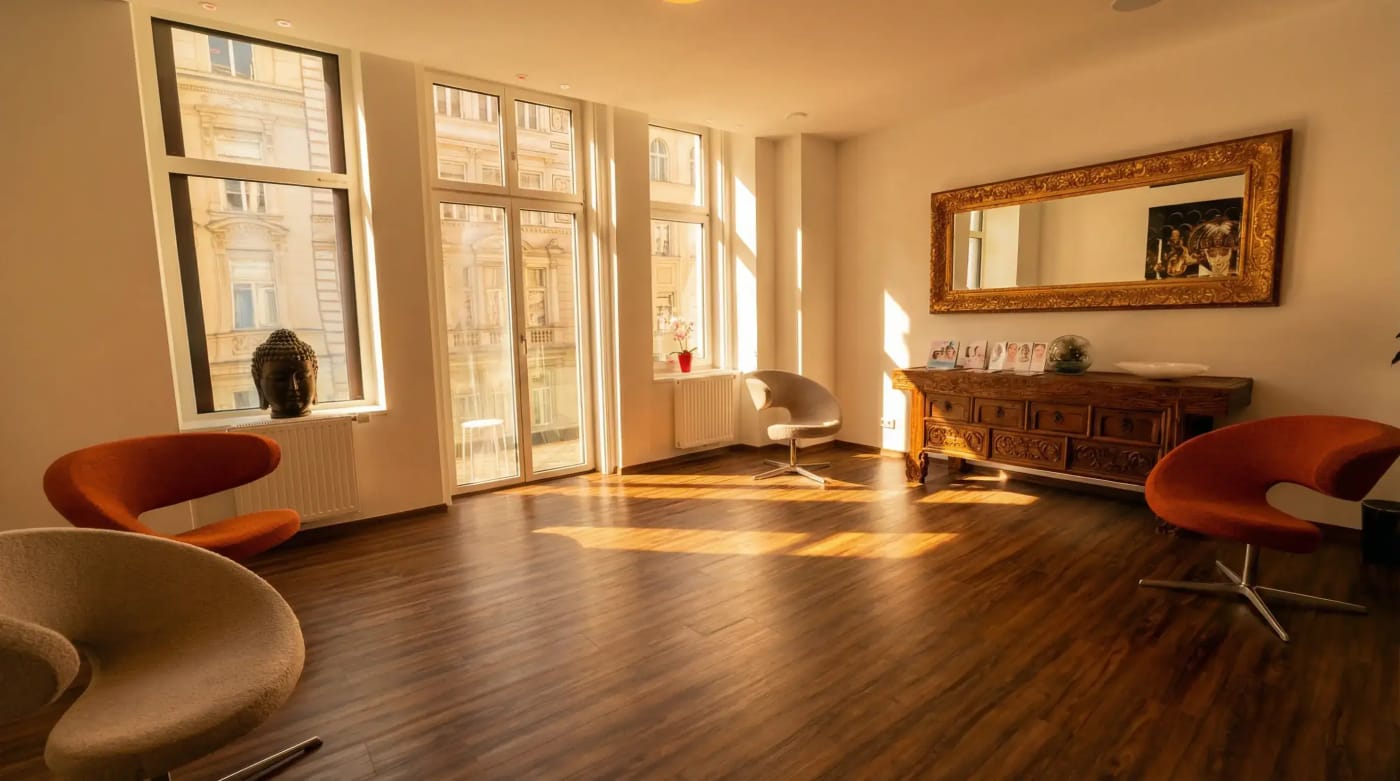
Bright waiting area with large windows, chairs and a gold-framed wall mirror.

Kärntner Straße 9

100 meters from Stephansplatz, Innere Stadt.

Personal Consultation

Priv.Doz.Dr.Dr. K. Yerit

During a personal consultation, we will discuss your goals and the appropriate treatment options. The information on this page does not replace such an examination.

Partnerships & Memberships & References