Smile4LifeADVANCED DENTAL AESTHETICS & IMPLANTOLOGY

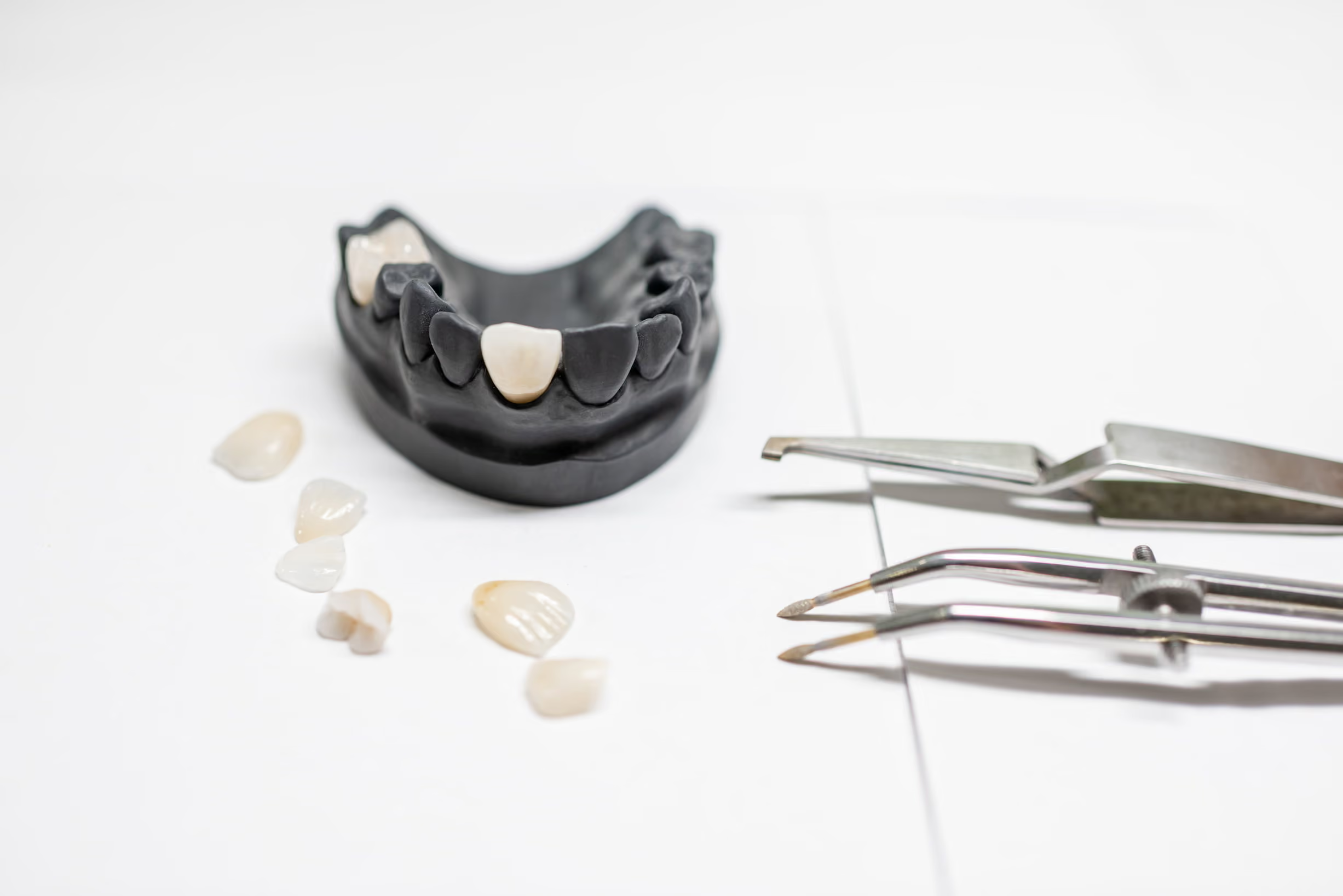
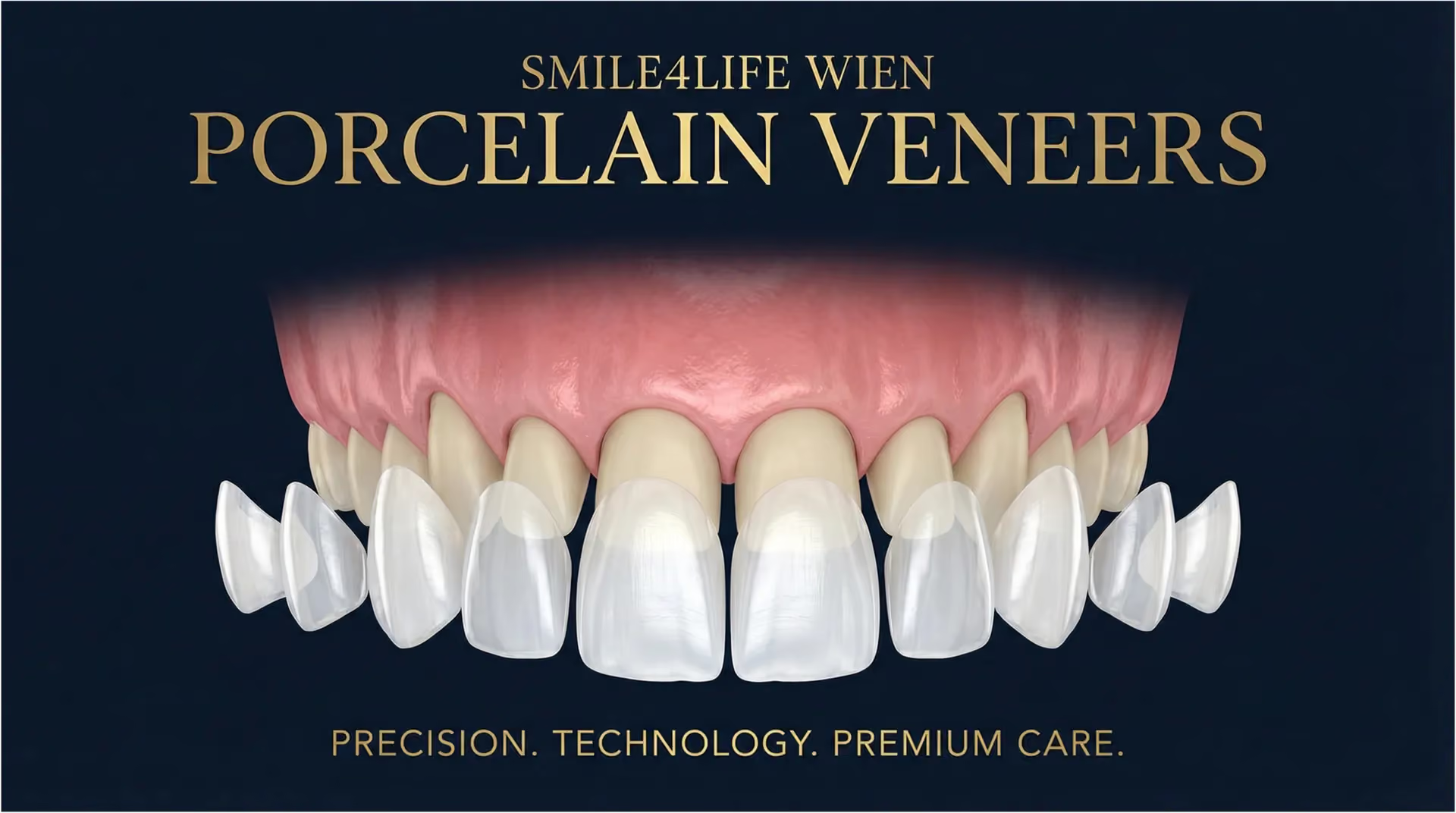
Schematic illustration of porcelain veneers before placement.
Veneers & Lumineers

Caring for Veneers: What Matters After Treatment

How should you care for your veneers, and what do we assess at a check-up? We continue to support you after treatment.

Personal care advice

Individual check-up intervals

Contact us about symptoms

Repair when needed

Arrange a check-up

Veneer Aftercare Vienna

veneers-nachsorge-wien

  • How should I care for veneers?

    Clean your teeth and between them carefully, and have your veneers checked according to your individual situation. Damage, loosening or new symptoms should be assessed by a dentist.

    Discuss treatment and follow-up →

Daily care around veneers

Even with veneers, your natural teeth and gums still need daily care. Brush twice a day with a soft toothbrush and fluoride toothpaste. Clean between your teeth daily with floss or suitable interdental brushes. Your treating practice can show you which brush and interdental care suit your situation. General advice on care and durability is available in the YERIT guide Veneers: everyday care and durability.

The ceramic itself is not the only area that matters: the junctions with your natural teeth and the gums also need checking. Ceramic does not develop decay, but the natural tooth underneath can. General advice does not replace a personal recommendation for your teeth.

Check-ups tailored to your treatment

Discuss with your dentist when a check-up would be appropriate for you. Veneers, gums and the bite can be assessed at these visits. One check-up interval cannot be set for everyone.

If you grind or clench your teeth, mention it. Whether additional measures such as a splint would help must be assessed for your situation. A splint is not necessary for everyone and does not stop the grinding itself. Do not use your front teeth as tools, for example to open packaging or crack hard shells. This does not refer to ordinary eating. More information on the treatment procedure and choosing between veneers and alternatives is available on the respective pages.

Which changes should you mention?

Have a change assessed if a veneer feels loose, an edge is damaged or rough, your bite feels different or symptoms develop. Regularly bleeding gums, a new dark line at the margin or floss that suddenly frays in one place should also be checked promptly rather than waiting for your next check-up.

Keep any broken piece and avoid putting pressure on the area. Do not use household glue or reattach the veneer yourself. Contact your treating practice promptly and follow its specific advice. The options after damage depend on the clinical findings.

Durability cannot be predicted individually

How a restoration develops over time depends on several factors. General study figures do not tell you how long an individual veneer will last in your mouth or whether it will remain free of repairs. A check-up assesses its current condition and helps adapt the next steps to your findings.

Return to the veneers overview or continue to veneer cost factors. If you develop new symptoms, contact your treating practice.
Clean your teeth and between them daily. Have new symptoms, loosening or a troublesome bite assessed promptly; we discuss grinding at your examination.

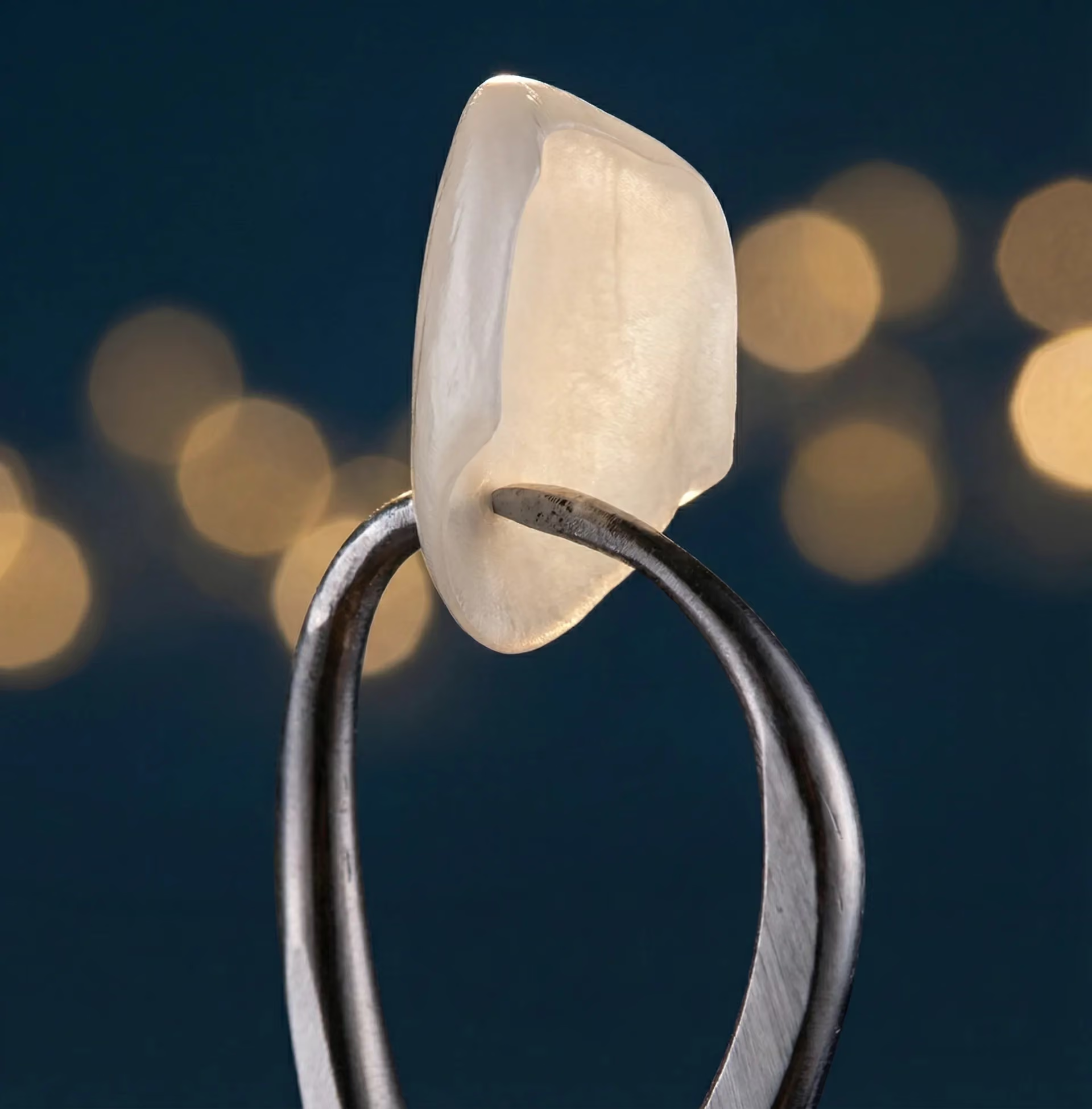
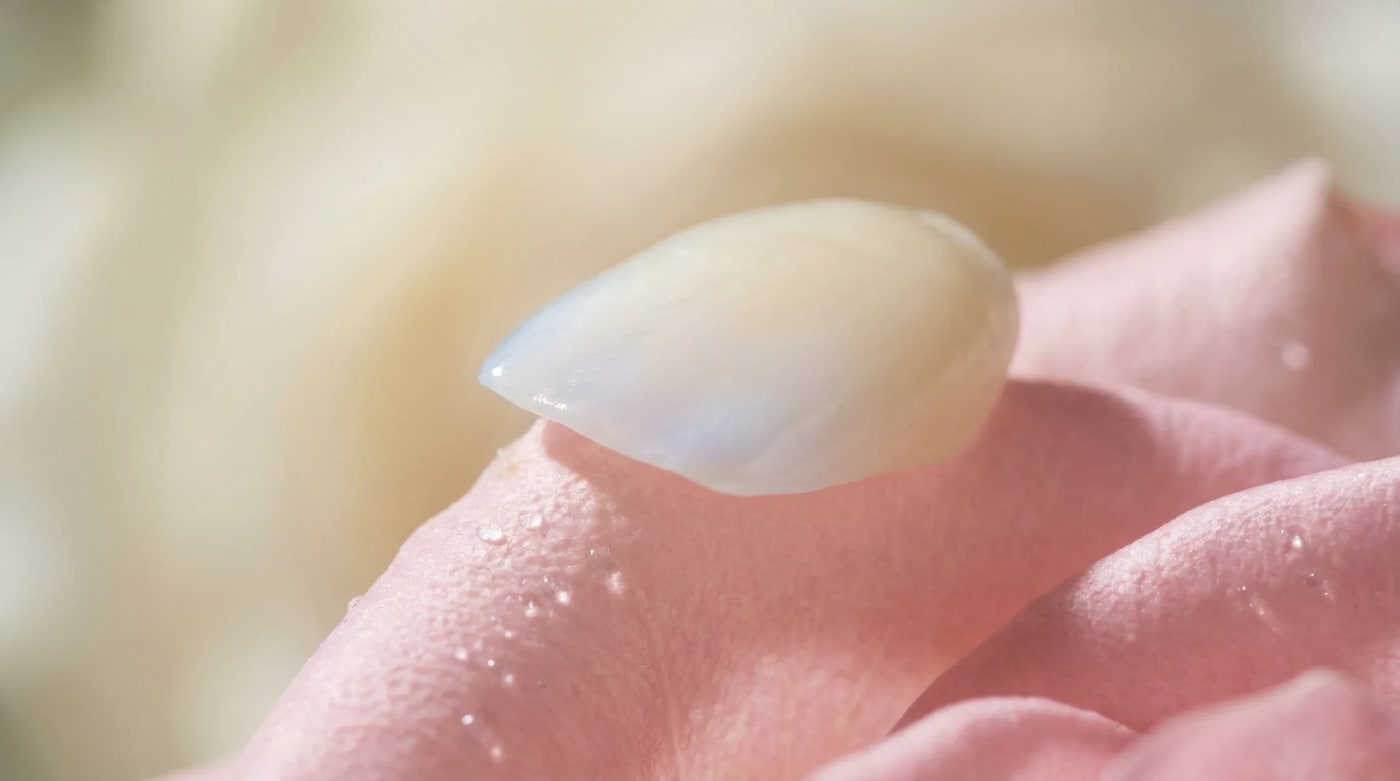
Thin tooth-coloured veneer shell on a fingertip.

Even a very thin veneer needs space. Before treatment, we clarify whether your teeth need preparation. Thickness alone does not answer this question.

YOUR OPTIONS

TREATMENT OPTIONS COMPARED

We will discuss payment terms with you prior to treatment.

Advanced Dental Aesthetics & Implantology

Priv.Doz.Dr.Dr. K. Yerit

Good veneers start with careful work on the tooth, and they stay attractive only when aftercare keeps pace. That is precisely what we pay particular attention to at check-ups.

View profile →

Scientific references

Institute for Implantology and Digital Dentistry Vienna

Österreichische Gesellschaft für Ästhetische Zahnheilkunde

European Academy of Esthetic Dentistry (EAED)

International Federation of Esthetic Dentistry (IFED)

American Academy of Esthetic Dentistry (AAED)

Yerit Practice – Dentist Vienna

Frequently asked questions

Frequently asked questions

How should I care for veneers?
Can gums become inflamed around veneers?
What happens if a veneer breaks?
Do veneers become discoloured?
How long do veneers last?

Do you have a specific question about your diagnosis? Book a consultation appointment directly →

Questions about your treatment?

Discuss what matters to you and what the next steps look like with us.

Book your appointment now

SCIENTIFIC STUDIES

Evidence-based medicine

The sources help to classify the possibilities and limitations of the treatment. Their results are not a guarantee for any individual case.

Etienne O et al. (2025). Survival of Ceramic Veneers: Impact of Dentin Exposure and Tooth Vitality After 1 to 15 Years of Follow-Up

This retrospective study included 672 ceramic veneers in 189 people treated by one clinician. With observation periods of 1 to 15 years, cumulative estimated 15-year survival was 96 %; mean follow-up was 5.98 years. Greater dentine exposure was associated with higher failure risk. The estimate is not a personal 15-year promise. (Etienne et al., 2025.)

PMID: 40755189

Panayong T et al. (2024). Long-Term Outcomes of Ceramic Veneer Restorations: A Comprehensive Analysis of Clinical and Patient-Reported Metrics

After 9 to 10 years, ceramic veneer survival was 89.3 %. Only 9.87 % were entirely free of problems; 79.4 % remained functional with findings such as material defects, secondary decay or gum problems, and 10.73 % were classified as failures (Journal of Esthetic and Restorative Dentistry, 2024).

39639467

Klein P et al. (2025). Survival and Complication Rates of Feldspathic, Leucite-Reinforced, Lithium Disilicate and Zirconia Ceramic Laminate Veneers: A Systematic Review and Meta-Analysis

The review of 29 studies reported pooled survival at 10.4 years of 96.1 % for feldspathic ceramic, 93.7 % for leucite-reinforced glass ceramic and 96.8 % for lithium disilicate. There was no statistically established survival difference between materials; this does not prove equivalence. Technical complications were 6.1 % for lithium disilicate and 41.5 % for feldspathic ceramic. Only shorter-term data were available for zirconia, with no long-term figures. Different studies and endpoints do not permit a personal longevity guarantee. (Klein et al., 2025; online 2024.)

39523553

Lim TW et al. (2023). Survival and Complication Rates of Resin Composite Laminate Veneers: A Systematic Review and Meta-Analysis

The review examined seven studies of composite veneers. In the randomised studies, pooled survival was 88 % over observation periods of 24 to 97 months. Common findings concerned the surface, colour and margins. This analysis does not include a direct comparison with ceramic veneers.

38035903

Al-Shorman HM et al. (2024). The Effect of Various Preparation and Cementation Techniques of Dental Veneers on Periodontal Status: A Systematic Review and Meta-Analysis

A meta-analysis of nine studies found an association between veneers and more favourable periodontal findings (odds ratio 0.18; relative risk 0.34), with substantial heterogeneity between studies. This does not support recommending veneers for untreated gum disease. The paper does not contain a separate analysis by preparation or cementation technique (European Journal of Dentistry, 2024).

38331043

Aslan YU et al. (2019). Clinical performance of pressable glass-ceramic veneers after 5, 10, 15, and 20 years: A retrospective case series study

A retrospective case series of 413 lithium disilicate veneers reported estimated survival of 95 % after ten years, 91 % after fifteen and 87 % after twenty years. Mean observation time was 11.33 years; restorations were provided by three experienced clinicians. These findings do not promise individual durability.

31168916

Beier US et al. (2012). Clinical performance of porcelain laminate veneers for up to 20 years

A retrospective study of 318 ceramic veneers in 84 people estimated survival after up to 20 years at around 83 percent. Existing bruxism was associated with a 7.7-fold higher failure risk in this group; this is not a personal risk multiplier or durability promise. (Beier et al., 2012.)

22259802

Research findings help inform treatment decisions; they do not guarantee an individual outcome. We discuss suitable options with you based on your clinical findings and the planned treatment.

Evidence-based dentistry

ESCD
DGÄZ
AACD
AAED
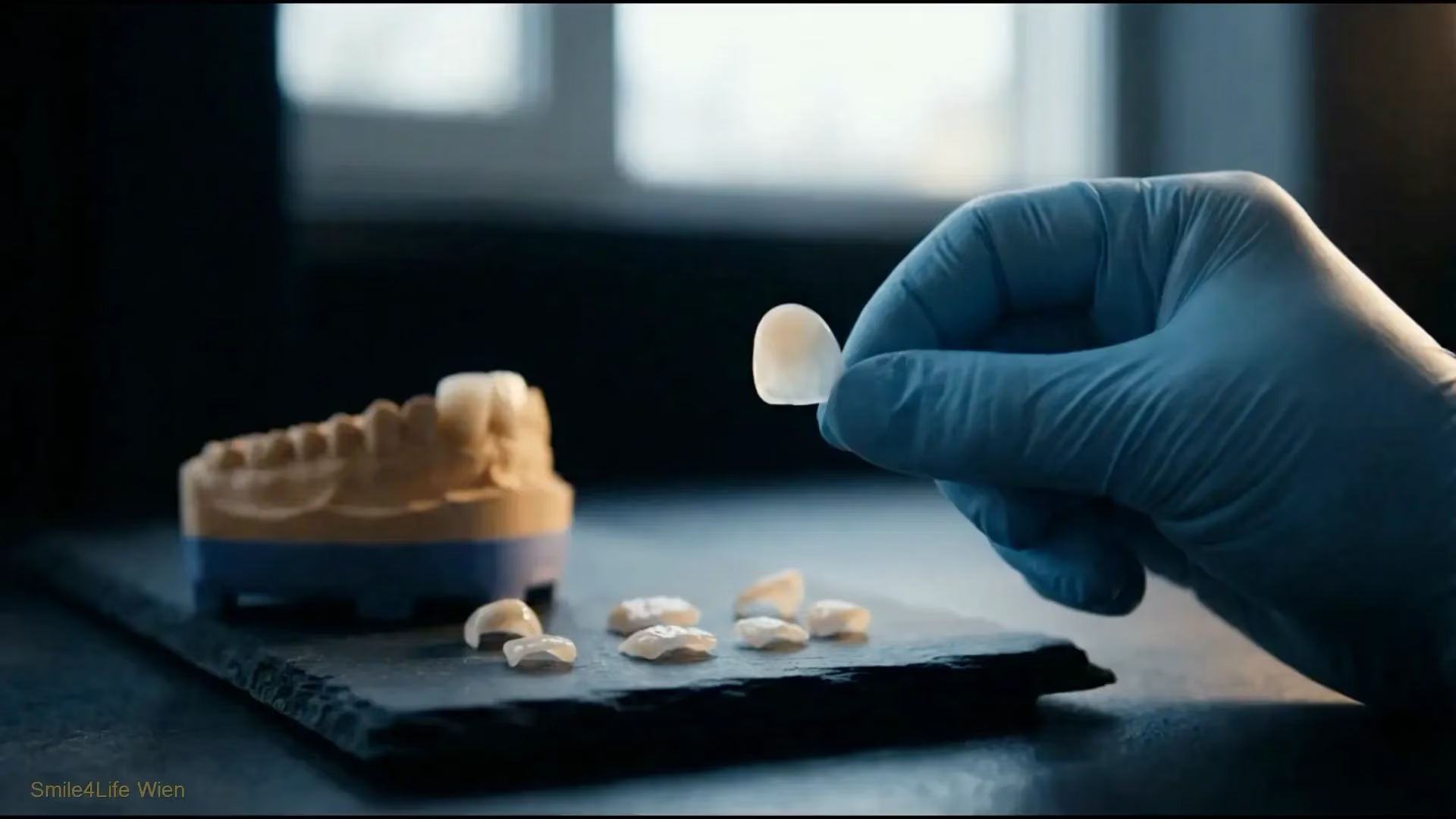
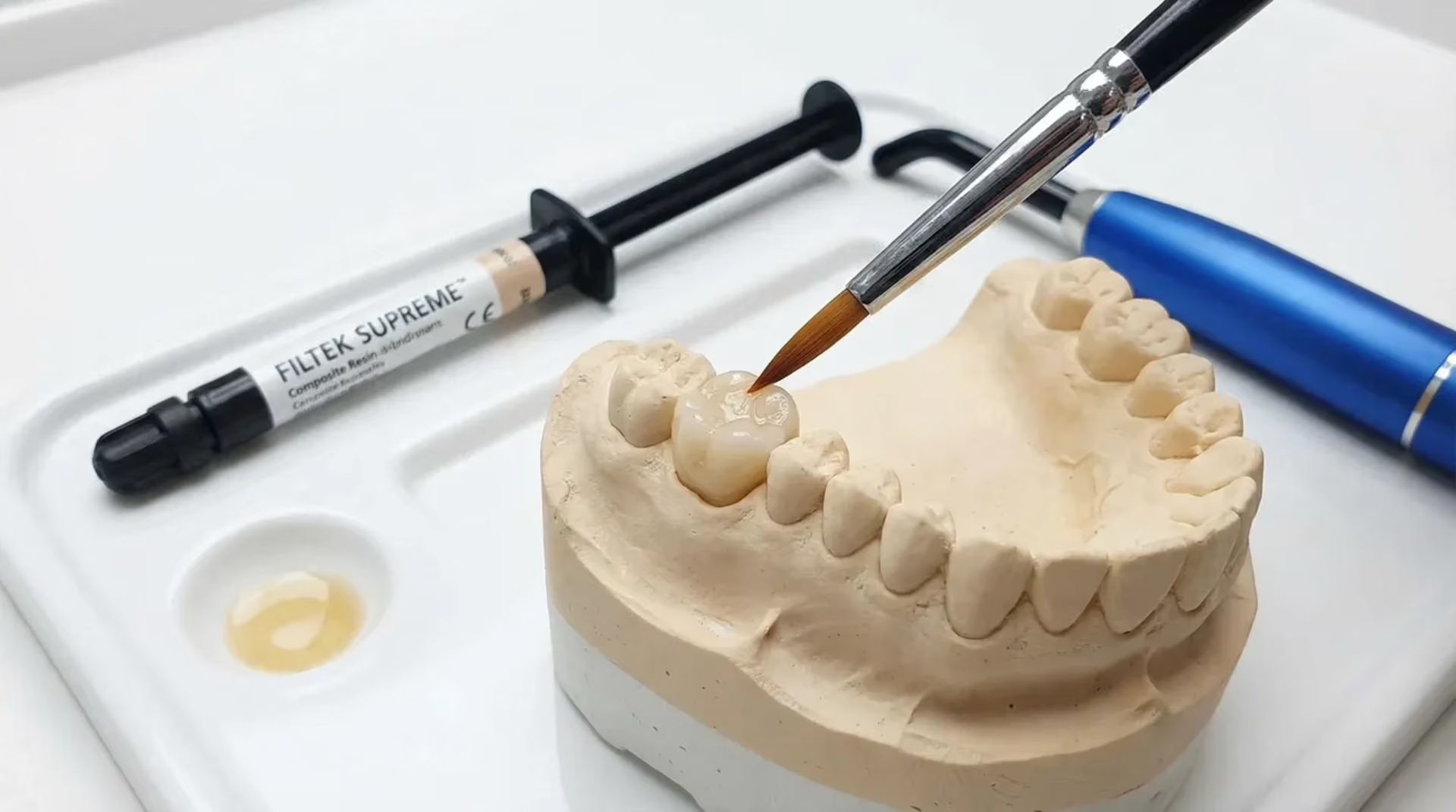
A gloved hand holding a single ceramic shell above a jaw model

Made to suit your teeth

The dental laboratory makes the ceramic veneers. Shape and colour are matched to your teeth during planning.

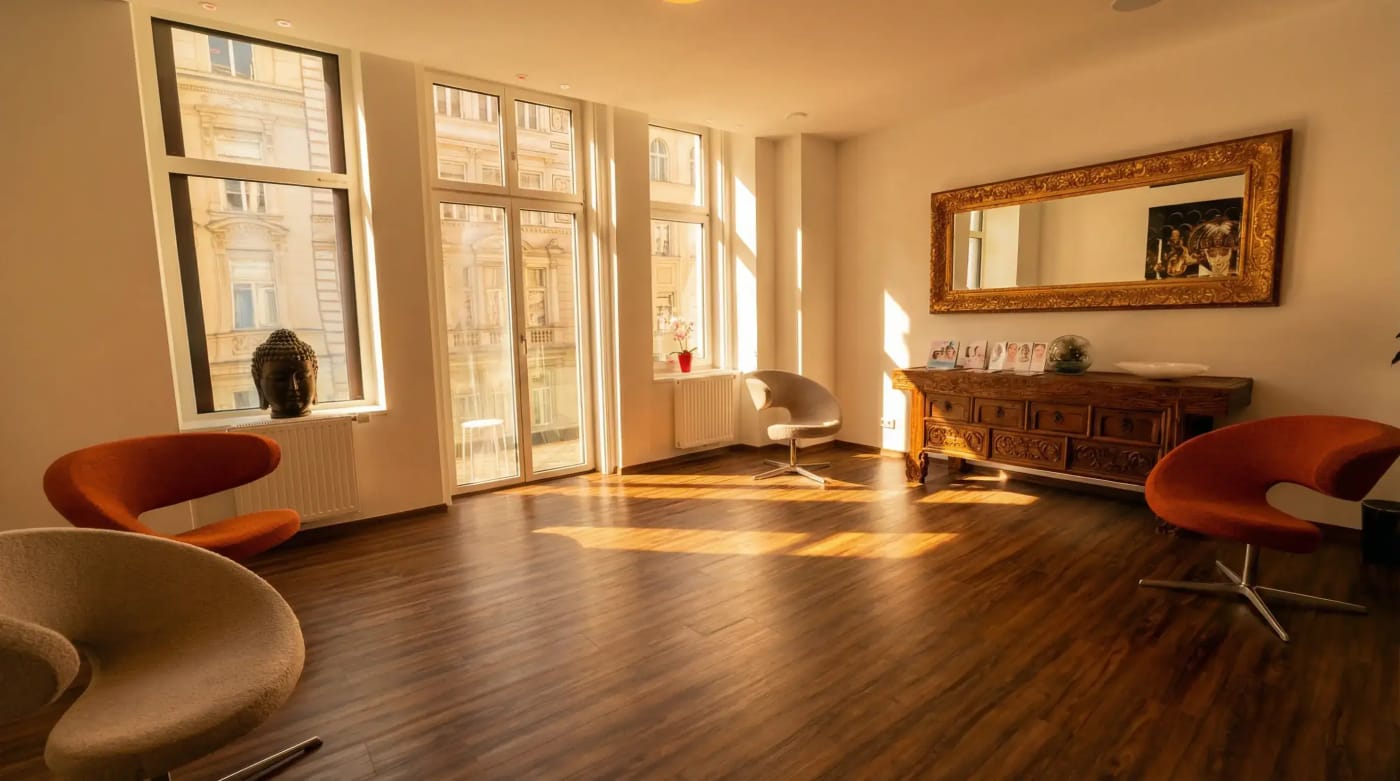
Bright waiting area with large windows, chairs and a gold-framed wall mirror.

Kärntner Straße 9

100 meters from Stephansplatz, Innere Stadt.

Personal Consultation

Priv.Doz.Dr.Dr. K. Yerit

During a personal consultation, we will discuss your goals and the appropriate treatment options. The information on this page does not replace such an examination.

Partnerships & Memberships & References