Smile4LifeADVANCED DENTAL AESTHETICS & IMPLANTOLOGY

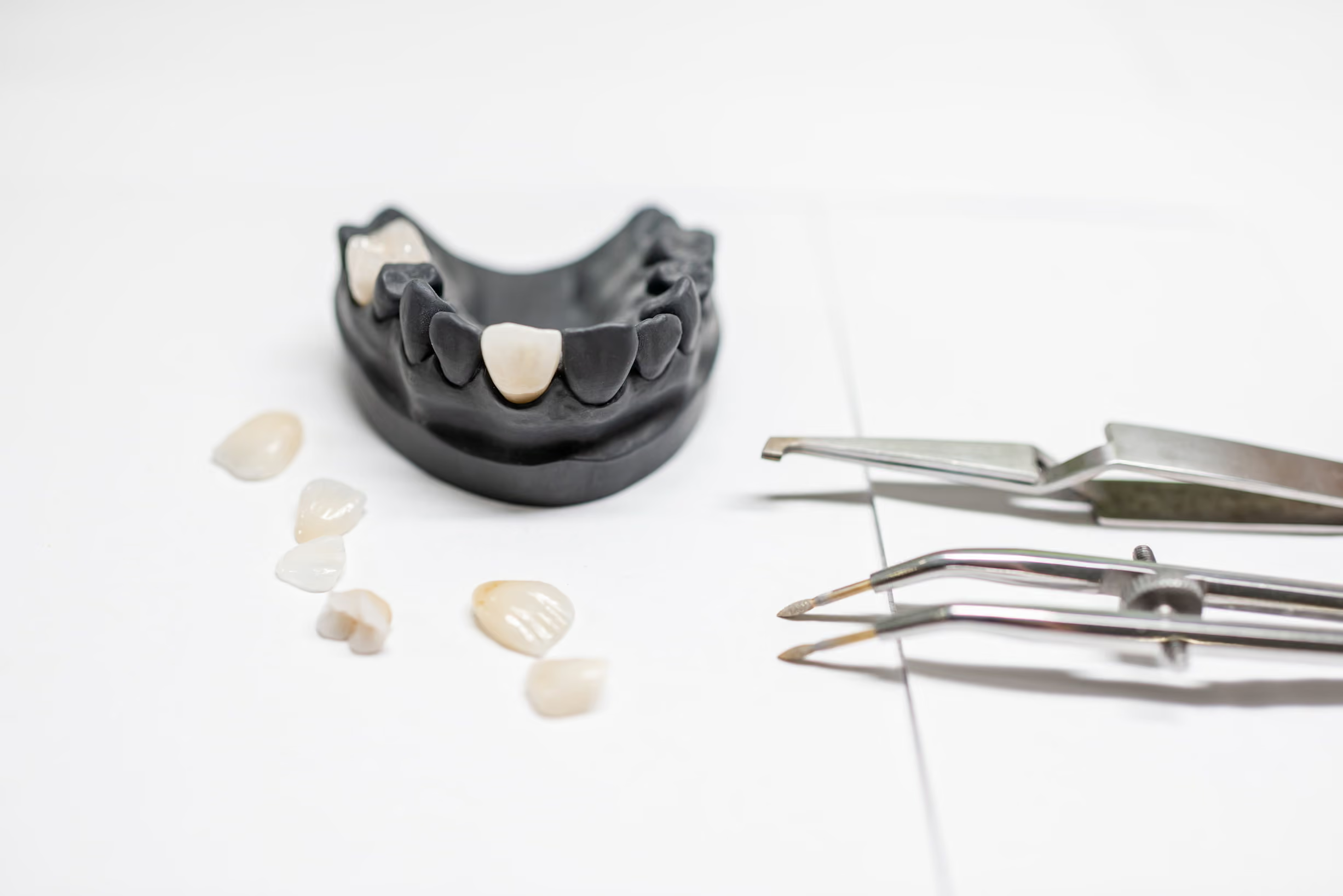
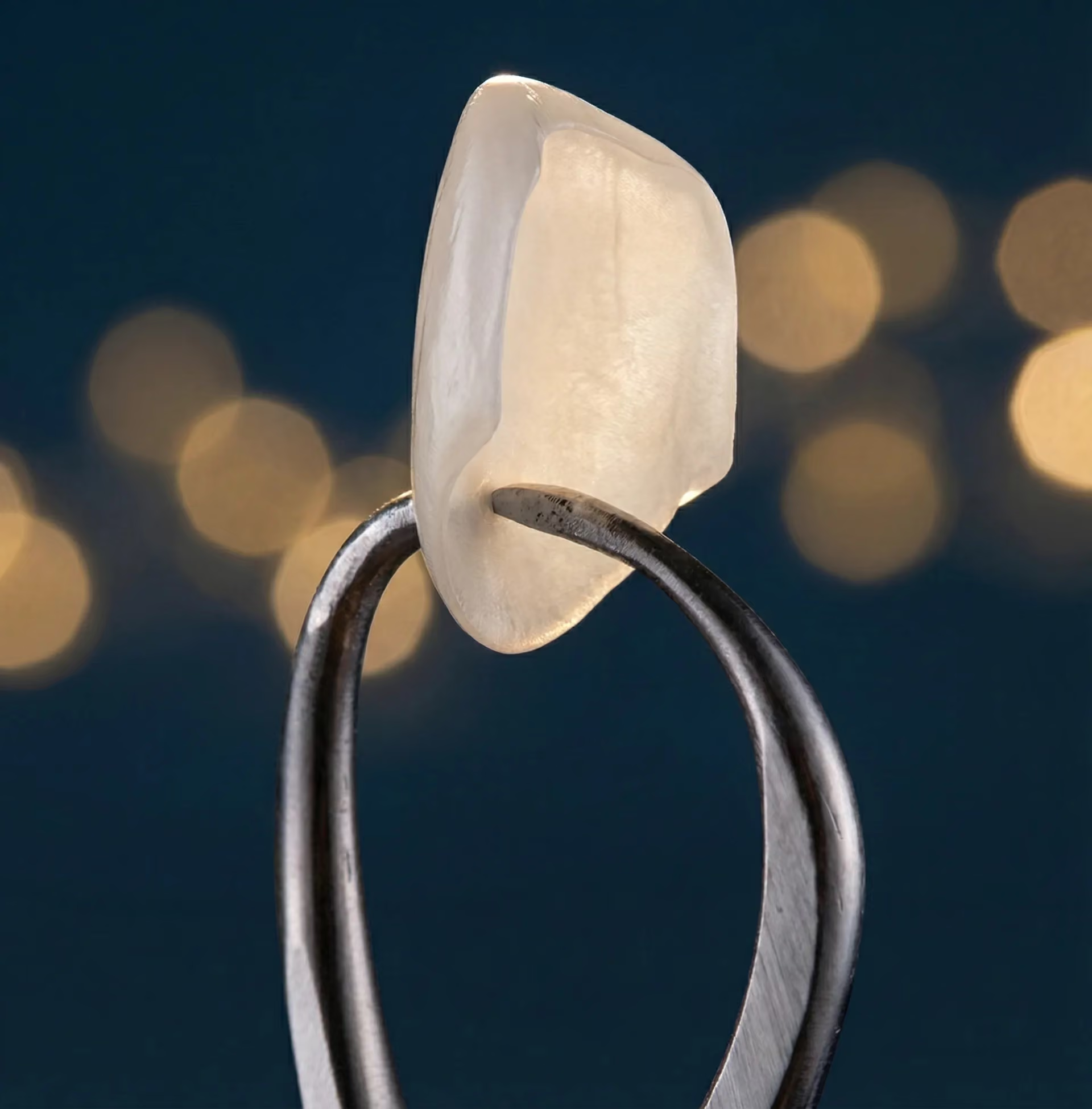
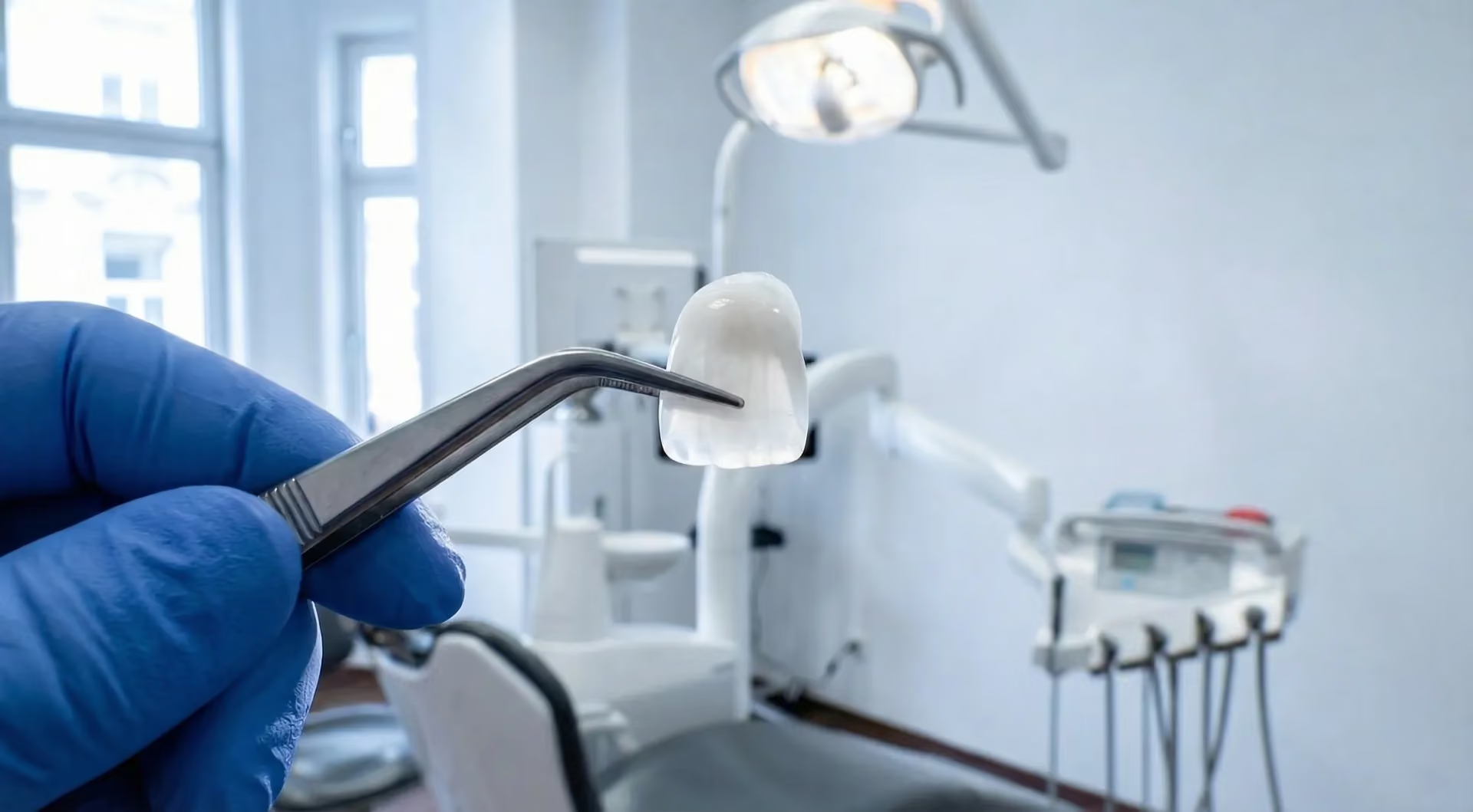
A single thin ceramic veneer shell is held with tweezers.
Veneers & Lumineers

Compare Veneers: Ceramic, Composite and Non-Prep

Want to compare your options? We explain the differences and assess which approach suits your teeth and wishes.

Understand the differences

Personal examination

Discuss alternatives

Decide in your own time

Discuss the appropriate method

Veneers Comparison Vienna

veneers-vergleich-wien

  • How do ceramic, composite and non-prep differ?

    Ceramic veneers are manufactured and bonded to the tooth; direct composite is shaped on the tooth. Non-prep describes preparation without deliberate removal of tooth material, not a separate material.

    Your treatment goal, tooth shape and position, space, bite, material, necessary preparation and possible later care or repair all matter.

    To the veneers overview →

  • What does “Lumineers” mean?

    Lumineers® is a brand of thin ceramic veneers. Non-prep instead describes an approach without deliberate tooth reduction. Suitability for an individual tooth is assessed from the findings.

    Questions about Lumineers →

  • Does it have to be a veneer?

    Whitening may be more suitable for colour alone, composite bonding for a small shape correction and orthodontic treatment for tooth position. This depends on the findings.

Veneer cost factors →

What change would you like?

Perhaps you want to alter a small gap, rebuild an edge or adjust visible tooth colour. Before comparing veneer types, clarify what you want to change and what should remain.

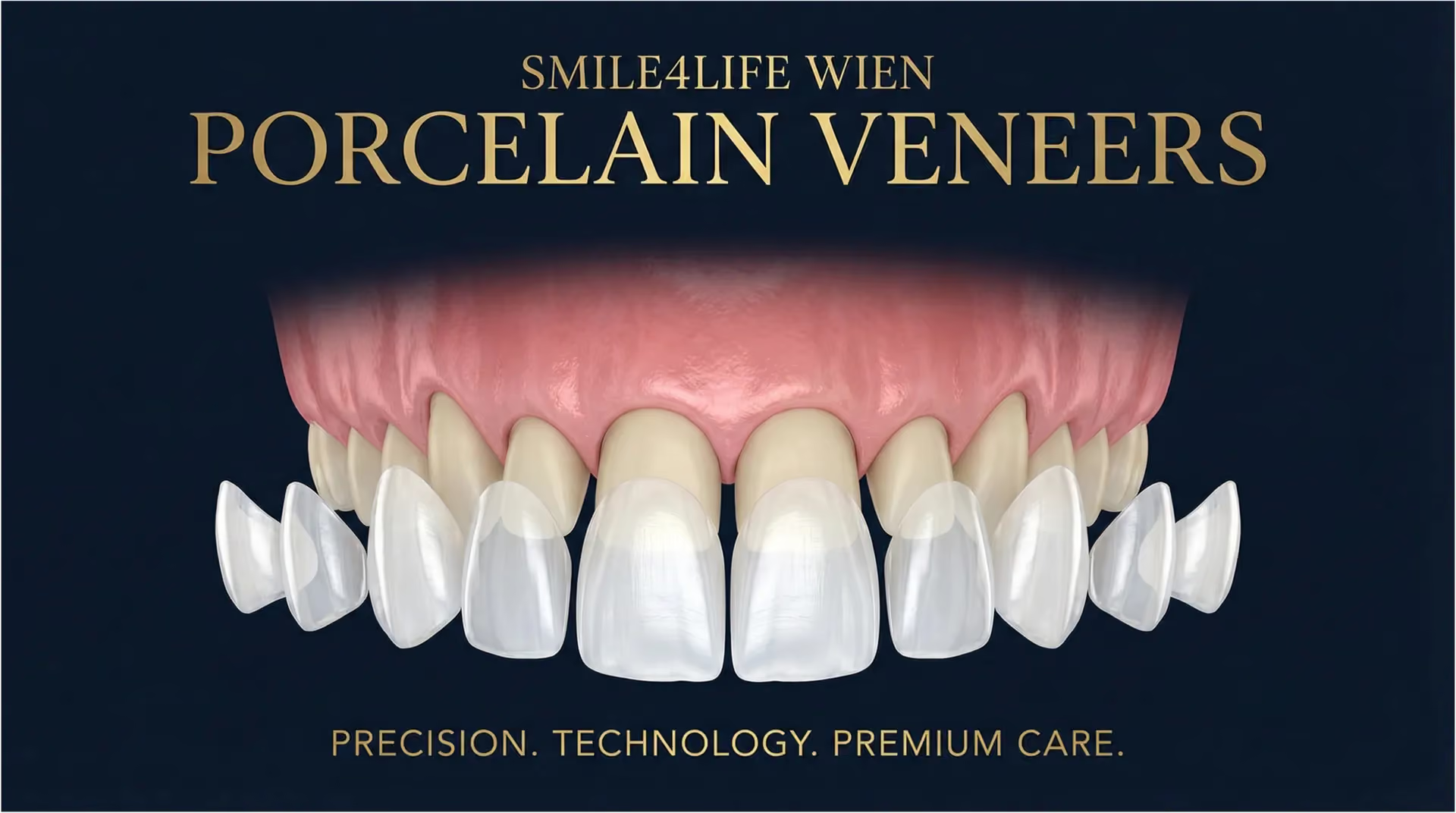
Veneers cover a tooth’s visible front surface. Depending on the starting situation, other treatments may also be suitable. The veneers overview explains how individual suitability is assessed.

Ceramic, composite and particularly thin options

Ceramic veneers are made after planning and bonded to the tooth. Direct composite bonding uses tooth-coloured resin shaped on the tooth. Relevant differences in preparation, repair and care depend on the material, tooth and treatment goal.

Compare material and approach separately; examination determines suitability.
Comparison pointCeramic veneersDirect composite bonding
MaterialCeramicTooth-coloured resin (composite)
ManufactureIndividually manufactured, then bonded to the toothShaped directly on the tooth
PreparationThe individual tooth, available space and planned shape determine the preparation needed. The material name alone cannot answer this.
Later repairSuitable adjustments depend on material, findings and the type of change; possible later repairs should be discussed beforehand.
Limits and selectionInitial colour, tooth position, space and bite are assessed together. No option is universally best.

Lumineers® is a brand of thin ceramic veneers. Non-prep instead describes an approach without deliberate tooth reduction, not a separate material. A name alone does not establish whether reduction is needed or a restoration suits the findings. Read more under questions about Lumineers and individual suitability and non-prep veneers.

Which alternatives may be more appropriate?

If only colour concerns you, whitening may be worth discussing. For small shape corrections, composite bonding can be assessed. Aligners change tooth position; veneers do not. A more damaged tooth may be better restored with a crown. Unlike a veneer covering the visible front surface, a crown surrounds the tooth and generally requires more tooth reduction. These options are not freely interchangeable.

Examination clarifies which options respect the tooth’s condition and their limits. If tooth structure would need removing, this is discussed before deciding; lost enamel does not grow back.

What to consider when comparing

Use the same questions to compare options: what should change? How much space is available? What preparation is needed? What care and possible later repairs are involved? What does the specific planned scope cost?

The respective pages explain the possible procedure and cost factors.

What to clarify next

Note what you want to change and what matters to you about a natural appearance. Ask about preparation, alternatives, limits and the written cost plan.

Return to the veneers overview for Vienna.
Your smile should suit you. Together we discuss the change you would like.

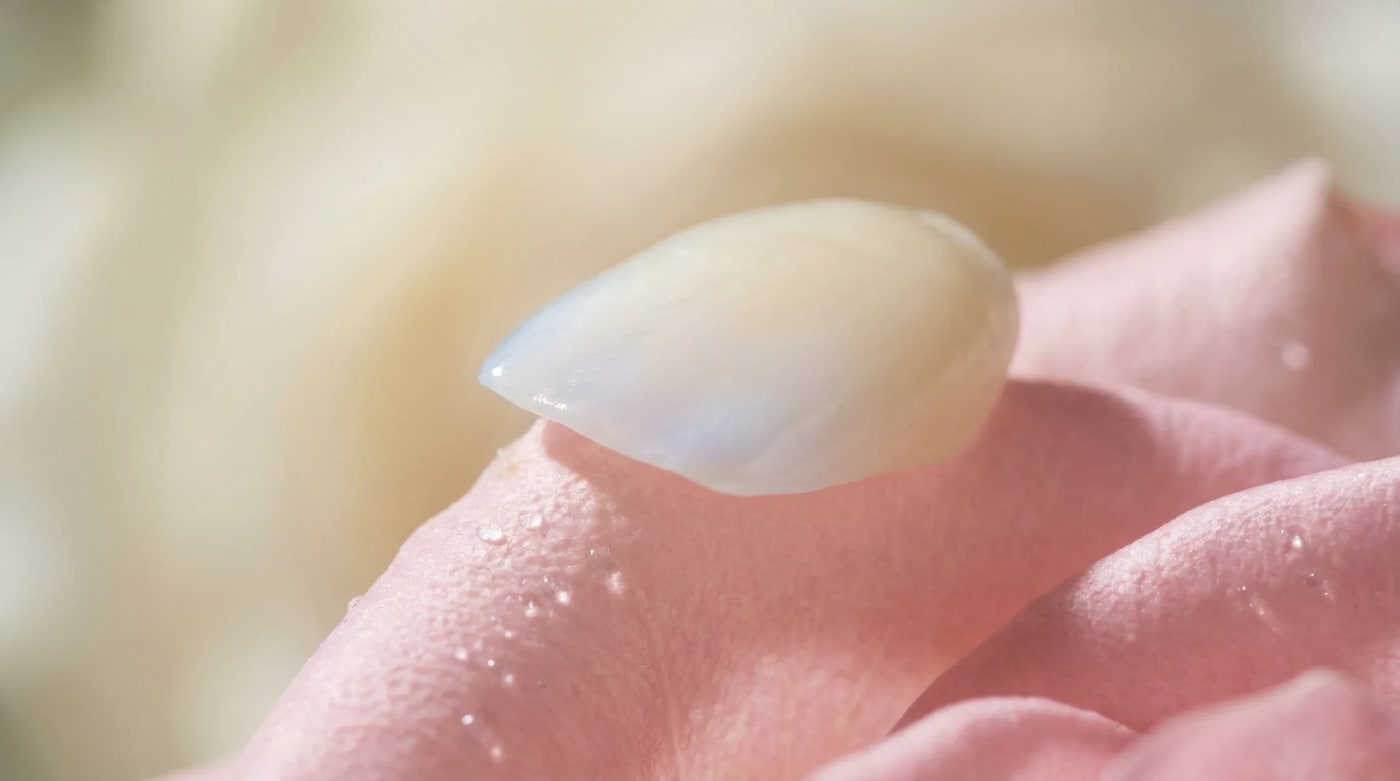
Thin tooth-coloured veneer shell on a fingertip.

Even a very thin veneer needs space. Before treatment, we clarify whether your teeth need preparation. Thickness alone does not answer this question.

YOUR OPTIONS

TREATMENT OPTIONS COMPARED

We will discuss payment terms with you prior to treatment.

Scientific references

Institute for Implantology and Digital Dentistry Vienna

Österreichische Gesellschaft für Ästhetische Zahnheilkunde

European Academy of Esthetic Dentistry (EAED)

International Federation of Esthetic Dentistry (IFED)

American Academy of Esthetic Dentistry (AAED)

Yerit Practice – Dentist Vienna

Frequently asked questions

Frequently asked questions

What is better than veneers?
Are veneers stronger than Lumineers?
How do ceramic and composite veneers differ?
What happens if I want Lumineers removed?
Do veneers or Lumineers become discoloured over the years?

Do you have a specific question about your diagnosis? Book a consultation appointment directly →

Questions about your treatment?

Discuss what matters to you and what the next steps look like with us.

Book your appointment now

SCIENTIFIC STUDIES

Evidence-based medicine

The sources help to classify the possibilities and limitations of the treatment. Their results are not a guarantee for any individual case.

Klein P et al. (2025). Survival and Complication Rates of Feldspathic, Leucite-Reinforced, Lithium Disilicate and Zirconia Ceramic Laminate Veneers: A Systematic Review and Meta-Analysis

The review of 29 studies reported pooled survival at 10.4 years of 96.1 % for feldspathic ceramic, 93.7 % for leucite-reinforced glass ceramic and 96.8 % for lithium disilicate. There was no statistically established survival difference between materials; this does not prove equivalence. Technical complications were 6.1 % for lithium disilicate and 41.5 % for feldspathic ceramic. Only shorter-term data were available for zirconia, with no long-term figures. Different studies and endpoints do not permit a personal longevity guarantee. (Klein et al., 2025; online 2024.)

39523553

Alqutaibi AY et al. (2024). Clinical survival and complication rate of ceramic veneers bonded to different substrates: A systematic review and meta-analysis

The review of six clinical studies showed that the condition of the tooth surface matters for bonding and subsequent outcomes. Continued use and a course without repair were assessed separately. Different observation periods and sometimes wide uncertainty ranges limit comparison; the figures are not an individual longevity forecast. Online 2024, print year 2025.

38604905

Alghazzawi TF (2024). Clinical Survival Rate and Laboratory Failure of Dental Veneers: A Narrative Literature Review

This narrative review summarises clinical and laboratory veneer studies. It describes generally high long-term survival and fractures as a frequent cause of failure. Different materials, preparations and study designs do not permit an individual durability promise or blanket application to every non-prep or branded restoration. (Alghazzawi, 2024.)

38786642

Al-Mokdad A et al. (2024). Clinical Success Evaluation of Ultrathin Ceramic Veneers Bonded to Nonprepared Teeth: An Observational Prospective Cohort Study

A prospective study followed 60 ultra-thin ceramic veneers on unprepared teeth for one year. All were judged clinically successful during this period. Without a comparison group and with only one year of observation, this is neither a long-term finding nor a personal success guarantee.

39246643

Panayong T et al. (2024). Long-Term Outcomes of Ceramic Veneer Restorations: A Comprehensive Analysis of Clinical and Patient-Reported Metrics

After 9 to 10 years, ceramic veneer survival was 89.3 %. Only 9.87 % were entirely free of problems; 79.4 % remained functional with findings such as material defects, secondary decay or gum problems, and 10.73 % were classified as failures (Journal of Esthetic and Restorative Dentistry, 2024).

39639467

Villalobos-Tinoco J et al. (2025). Enhancing Smile Aesthetics and Function with Lithium Disilicate Veneers: A Brief Review and Case Study

The paper combines a brief review with the case of a 32-year-old patient. No debonding, marginal discolouration or surface deterioration was reported after one year. This single case describes a possible treatment approach; it establishes neither general superiority of a ceramic nor a long-term guarantee.

40136602

Mazzetti T et al. (2022). 10-year practice-based evaluation of ceramic and direct composite veneers

The practice-based evaluation compared 1459 ceramic and direct composite veneers over ten years. Repairs and losses were assessed separately. The frequently quoted annual rates of 2.9/2.8 % for ceramic and 9.1/10 % for composite refer to failure to achieve success without intervention, not solely to veneer loss. Results from one practice are not an individual longevity forecast.

35379471

Gresnigt MMM et al. (2019). Randomized clinical trial on indirect resin composite and ceramic laminate veneers: Up to 10-year findings

The randomised study compared 48 veneers: 24 ceramic and 24 laboratory-made composite veneers. After up to ten years, survival rates of 100 % and 75 % respectively were reported. This small study concerns indirect composite, not composite built directly on the tooth, and is not a personal longevity promise.

31181242

Research findings help inform treatment decisions; they do not guarantee an individual outcome. We discuss suitable options with you based on your clinical findings and the planned treatment.

Evidence-based dentistry

ESCD
DGÄZ
AACD
AAED
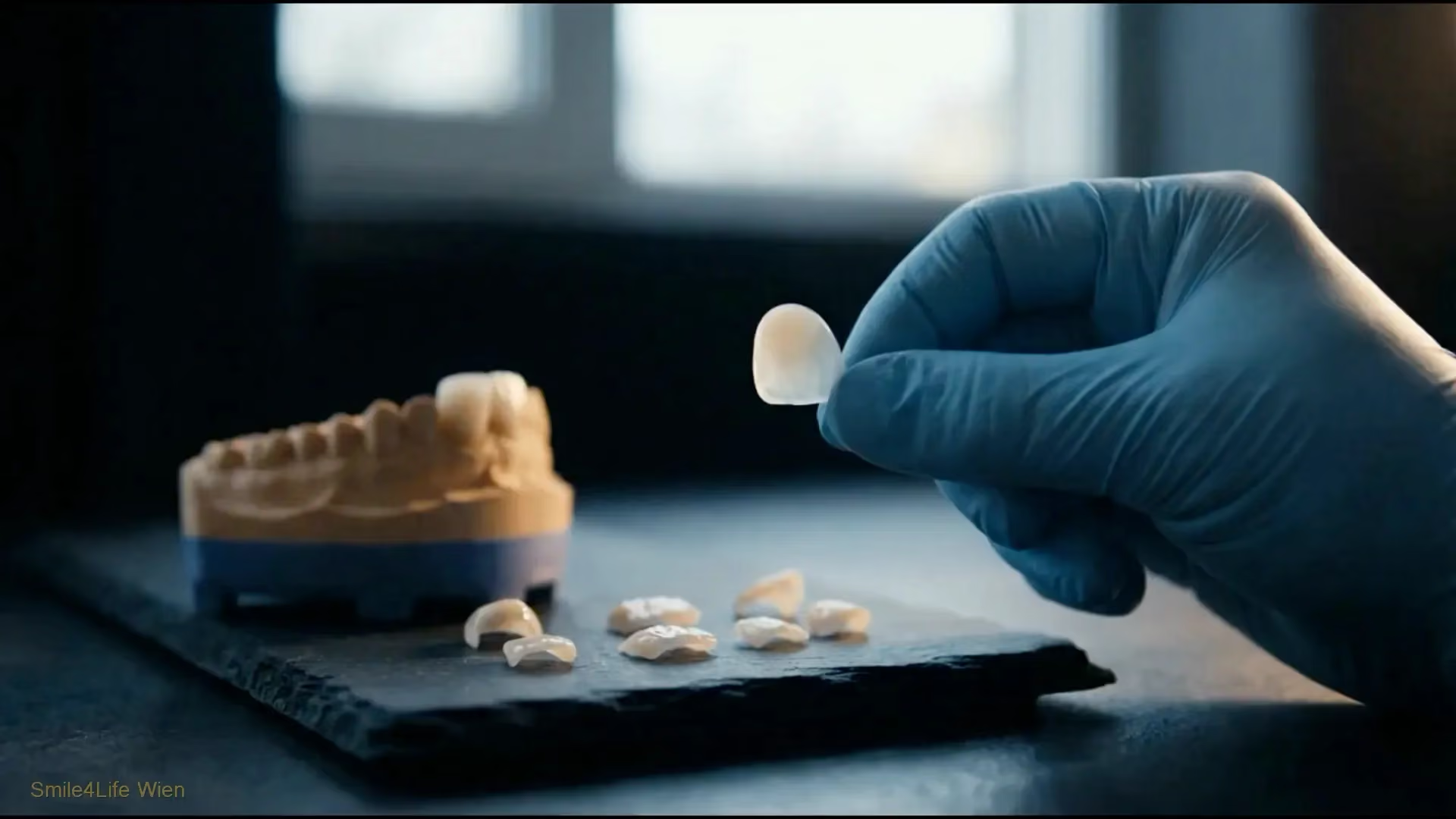
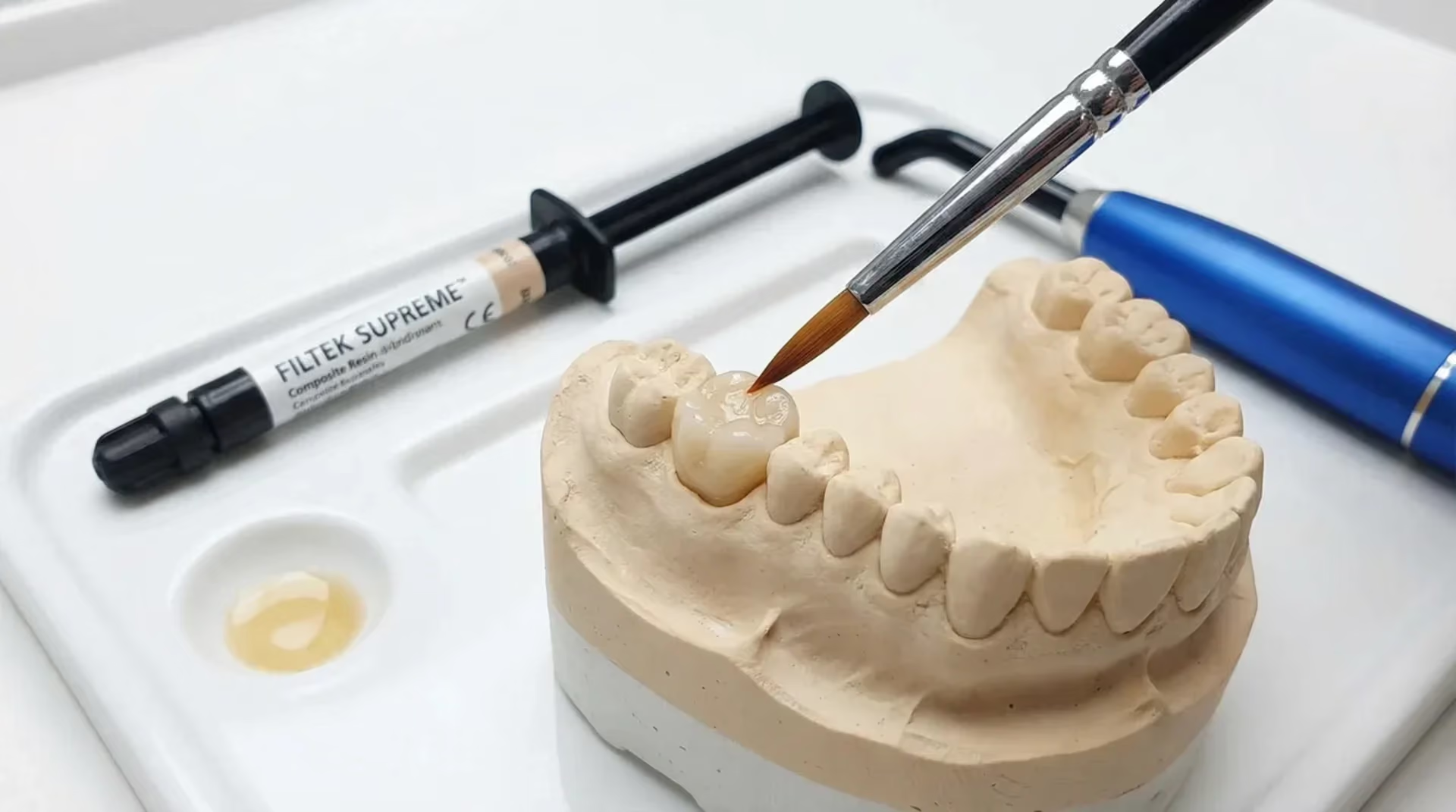
A gloved hand holding a single ceramic shell above a jaw model

Made to suit your teeth

The dental laboratory makes the ceramic veneers. Shape and colour are matched to your teeth during planning.

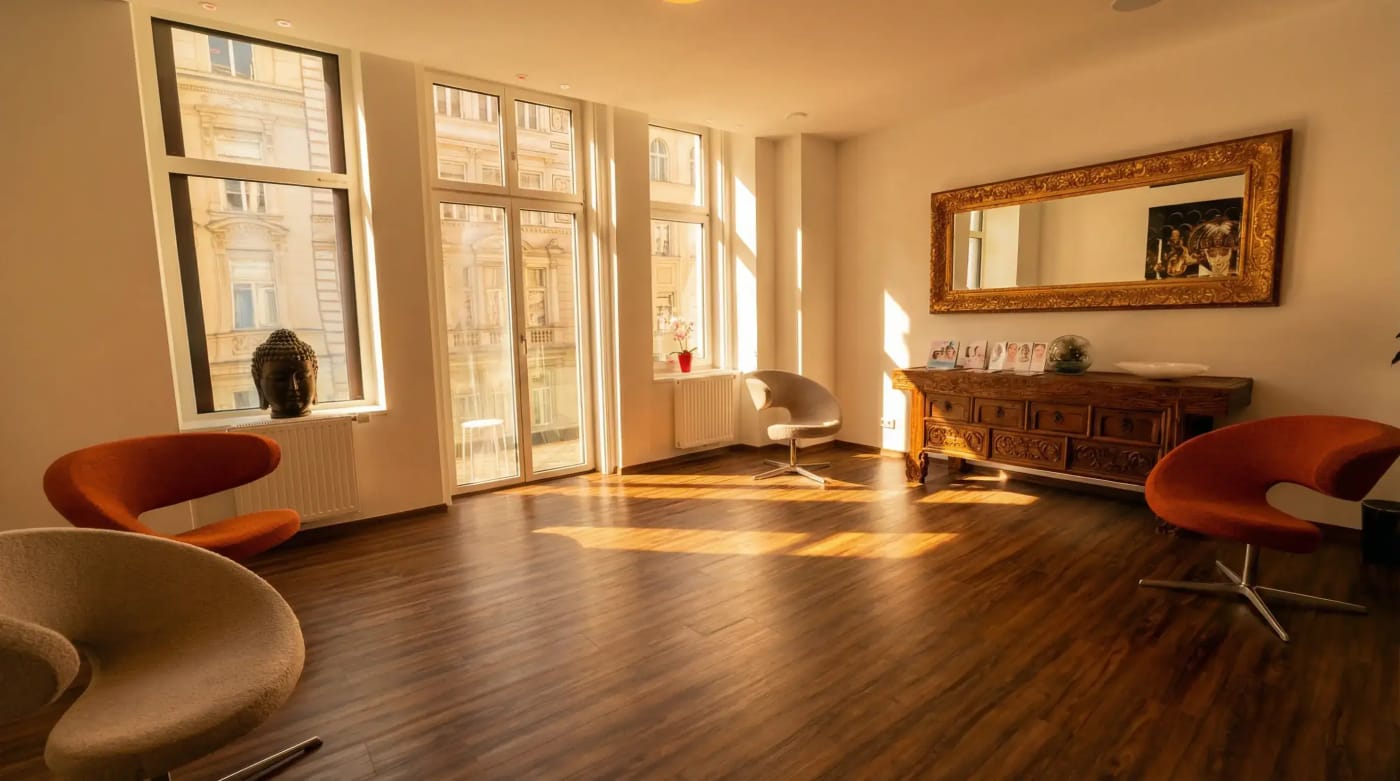
Bright waiting area with large windows, chairs and a gold-framed wall mirror.

Kärntner Straße 9

100 meters from Stephansplatz, Innere Stadt.

Personal Consultation

Priv.Doz.Dr.Dr. K. Yerit

During a personal consultation, we will discuss your goals and the appropriate treatment options. The information on this page does not replace such an examination.

Partnerships & Memberships & References