Implant offers abroad may appear cheaper than treatment in Vienna. A meaningful comparison needs to cover the same services, as well as travel, aftercare and possible further treatment.
However: Brochures and social media adverts may leave out the practical risks, and follow-up costs can quickly exceed the apparent saving. This guide is not a blanket criticism of dentistry abroad: there are good practices in Budapest and Istanbul. There are, however, structural risks to understand before booking.
1. Material Quality and Implant Systems
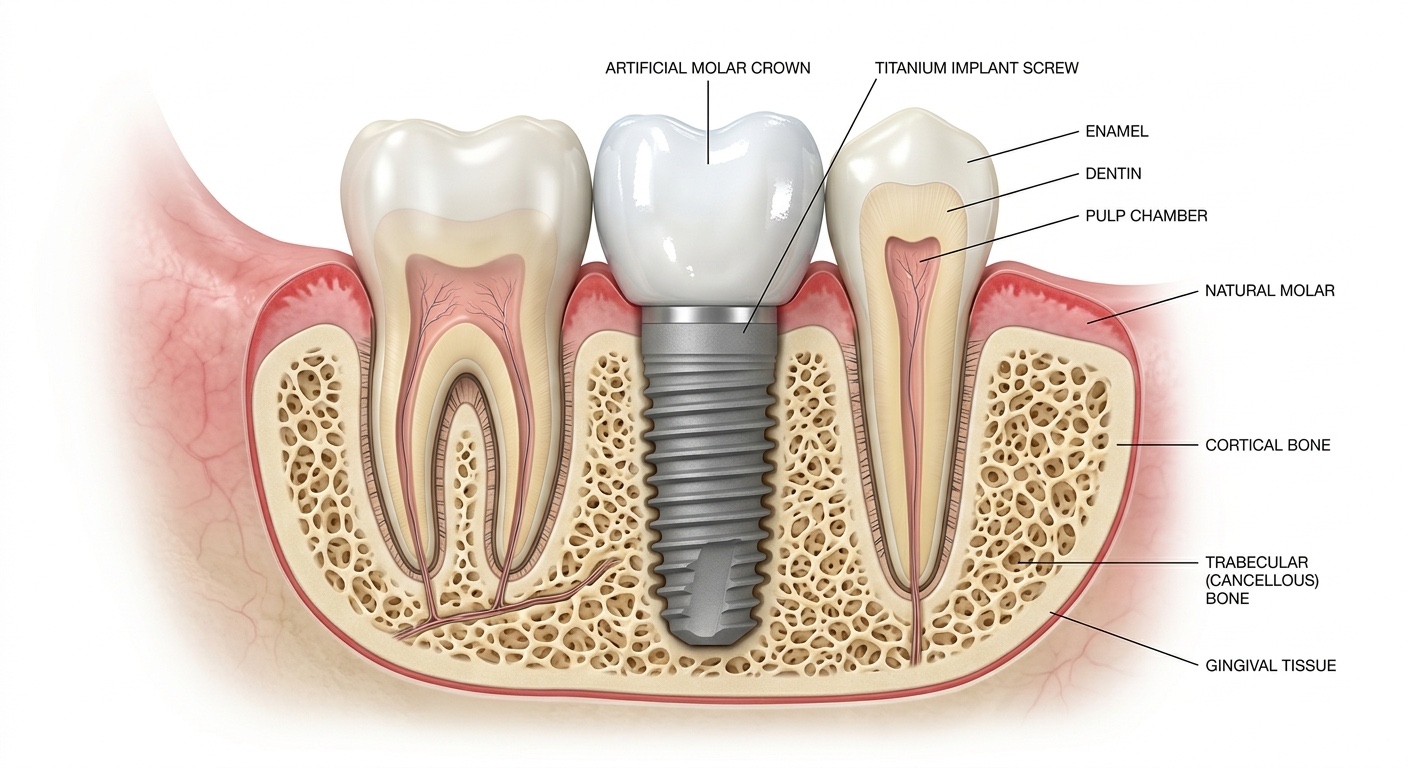
Not all implant systems have the same clinical evidence. Ask about the manufacturer, model and long-term data for the actual system offered. Price or country of treatment alone proves neither good nor poor quality.
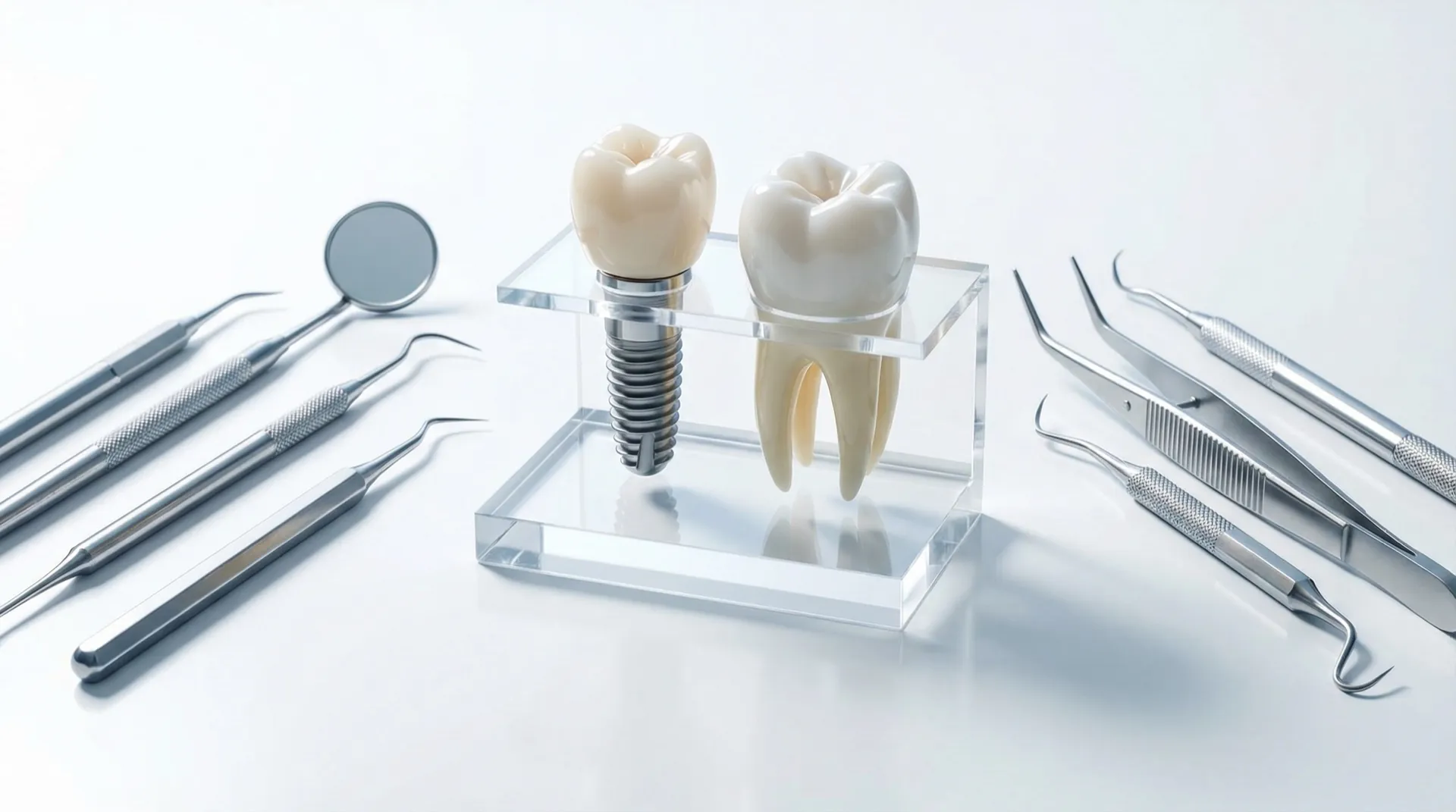
For your records: Ask for written details of the manufacturer, model and components used in your implant system, for example in an implant passport. These details make later checks, repairs and obtaining suitable parts easier.
2. Missing Aftercare and Follow-Up Treatment
An implant is not a one-off procedure. Healing and the timing of loading depend on the bone, surgery and planned restoration. Follow-up appointments are arranged around this process.
The risk: If the practice is far away, checks, travel and an accessible point of contact for symptoms need to be planned in advance. Healing problems can occur early. Peri-implantitis is inflammation with bone loss around an implant and may also develop later. Without treatment, it can lead to implant loss.
Before travelling, clarify which practice will provide follow-up and which records it needs. Do not assume another practice can take over planned aftercare without prior agreement.
3. Infection Risk and Hygiene Standards
Hygiene cannot be assessed by the treatment country alone. Ask the individual practice about instrument reprocessing, hygiene procedures and its approach to infection or other complications.
Why this matters: Infections after implant surgery can be serious and require immediate treatment. An infection during healing may jeopardise the entire implant.
4. Communication Barriers and Diagnostic Quality
Accurate implant planning requires a detailed initial discussion of your medical history, medication, bone quality, bite and aesthetic wishes.
The risk: A language barrier may make informed consent more difficult. Ensure your medical history, medication, findings and treatment plan are discussed and documented clearly. Diabetes, clotting disorders or certain medicines may affect planning; they are not blanket exclusions.
5. Liability and Legal Redress
For complaints about dental treatment in Austria, the relevant patient advice or mediation services of the dental chamber may be points of contact. The appropriate service and process depend on the issue.
For treatment abroad: Clarify beforehand who your contracting party is, which law and complaints procedures apply, and how remedial treatment is arranged. Responsibility for follow-up costs depends on the contract and individual case. This does not establish blanket freedom from liability for the treating practice.
6. The Actual Total Cost
Include flights, accommodation, transfers, interpreting if needed, follow-up treatment in Vienna, and possible implant removal and replacement.
When comparing prices, also consider what remedial treatment could cost. Correcting an implant placed elsewhere is often more involved than the original restoration, and the initial saving can quickly disappear.
7. Implant Failure and Further Treatment
Long-term studies distinguish implant survival from complication-free treatment success. A general success rate without details of the study, patient group and outcome is not informative about your personal risk.
If an implant fails: It may need to be removed. Whether bone grafting, a waiting period and another implant are appropriate is decided on the clinical findings. Clarify the costs and possible coverage for each step; complete self-funding is not automatically required in every case.
If you already have an implant placed abroad and notice problems: Contact us promptly. Early intervention can often still help save the implant.
8. When Might Treatment Abroad Be Reasonable?
There are circumstances in which treatment abroad may be reasonable, for example in an EU country with comparable standards, where the practice demonstrably uses high-quality systems and an agreed local practice in Vienna supports follow-up.
This still requires substantial research on your part.
Checklist: Choosing an Implant Dentist
- Which implant system is used, and is it documented in long-term studies?
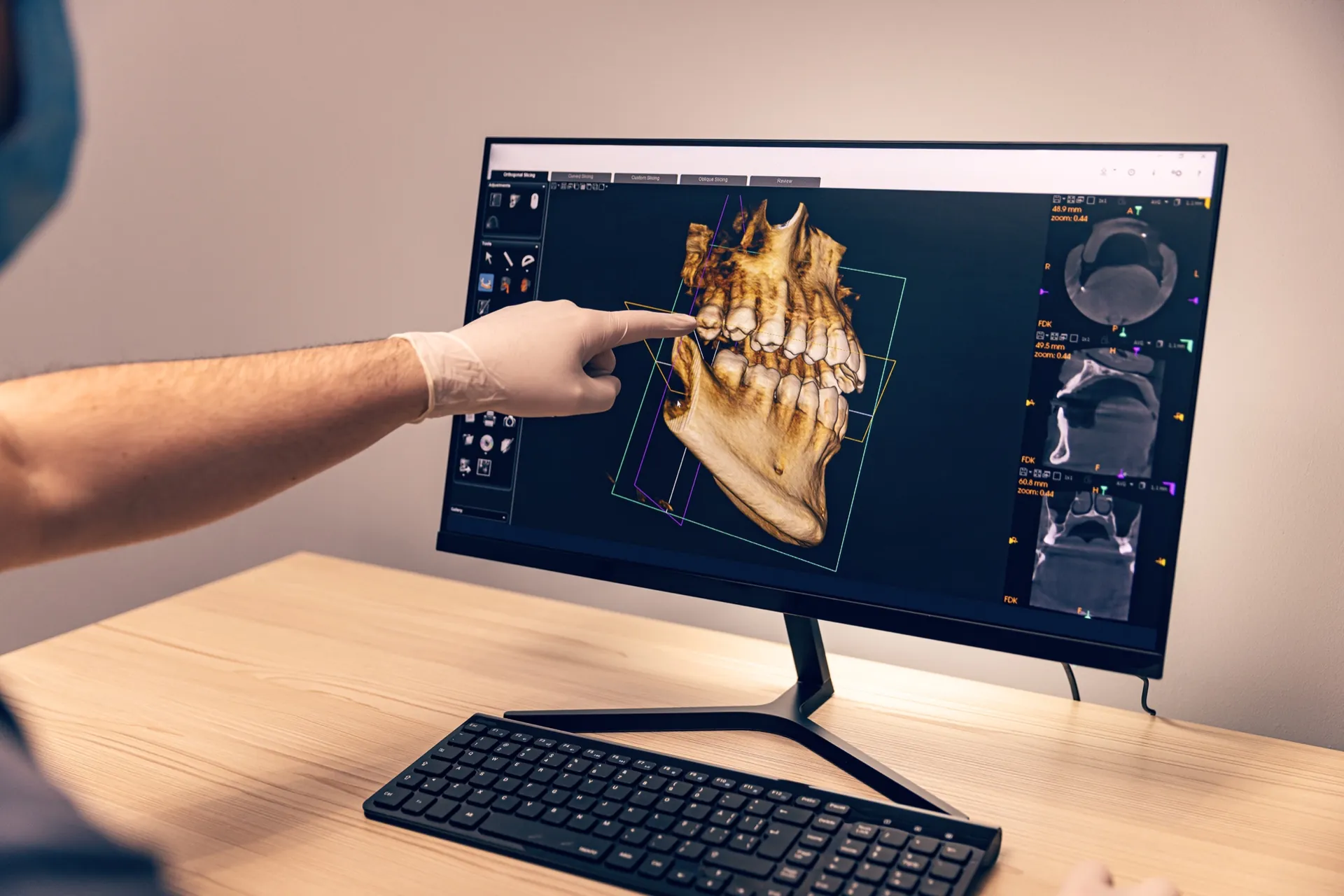
- Which imaging is needed for my clinical findings, and is CBCT medically justified?
- Who provides aftercare, and where?
- What written arrangements cover aftercare, remedial treatment and costs?
- What dental qualifications and experience does the clinician have with the planned restoration?
- How many implants has the clinician placed per year?
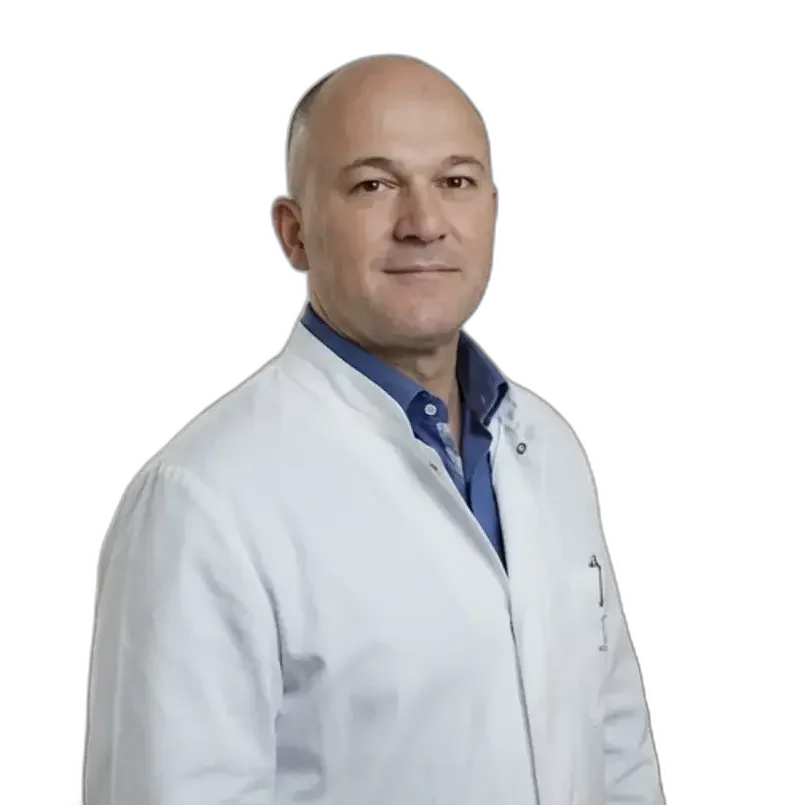
Choosing a dental implant is a long-term investment. It deserves careful consideration of quality, safety and aftercare as well as price. At Smile4Life Vienna, Priv.Doz.Dr.Dr. K. Yerit discusses these questions at the initial consultation, transparently and without pressure. Ask for a clear explanation of the procedure, risks, alternatives and aftercare before deciding.
Contents

Your dental consultation in Vienna
Discuss which treatment may suit your teeth and clinical findings.
Learn morezahnimplantate-wien