

Do you need a dental implant but have a metal allergy or suspect an intolerance? This is a concern shared by many patients. Depending on the clinical findings, suitable materials and restorations may still be possible.
This guide explains which metals can trigger allergies, how possible reactions are assessed and which metal-free alternatives are available.
Metal Allergy in the Mouth: What Does It Mean for Implants?
A metal allergy may cause different symptoms in the mouth. Some people feel burning, while others notice redness or swelling.
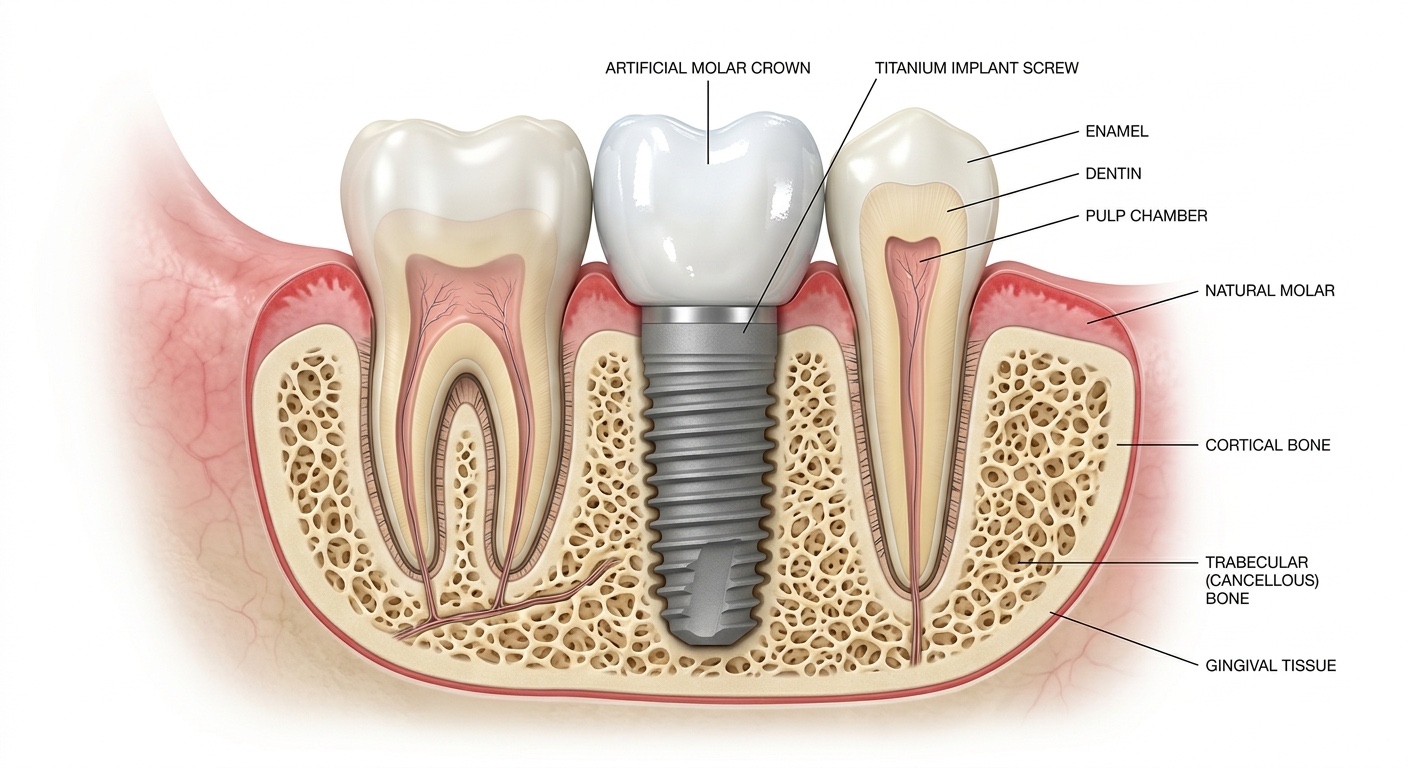
Nickel, chromium and cobalt are common triggers. These metals occur in many conventional restorative materials, including crowns and bridges. Implants are different: most use titanium, a metal generally tolerated well. In rare cases, titanium intolerance may nevertheless occur. Symptoms need professional assessment; suspected titanium intolerance is not the same as a conventional contact allergy.
Recognising Possible Metal-Allergy Symptoms
Symptoms in the mouth are often non-specific, which may make diagnosis difficult.
Possible signs of intolerance:
- Redness and swelling of the gums
- Burning or a metallic taste
- Inflammation around the implant
- Pain that persists beyond the healing period
- Bleeding gums without an apparent cause
- Blisters on the oral lining
Inflammation around an implant may have other causes. Bacterial infection can produce similar symptoms to an allergic reaction. Inform your dentist if these symptoms develop after implant placement.
Titanium Implants: Are They Always Tolerated?
Titanium is considered highly biocompatible in dentistry. Most dental implants are made from it. It integrates well with jawbone, is strong and durable, and has been used worldwide for decades.
Research nevertheless indicates that titanium can very rarely cause intolerance reactions. These are not conventional allergies like nickel allergy, but hypersensitivity reactions of the immune system. Possible reactions include chronic inflammation at the implant site, delayed or failed integration, loosening without an apparent infection and a metallic taste. Previous reactions to other metals warrant attention. Assessment depends on your history and clinical findings; a test alone does not provide general certainty.
Investigating Metal Allergy: Which Tests Are Available?
Have a possible metal allergy assessed before deciding on an implant.
Patch testing: Different allergens are applied to the skin and assessed after 48 to 72 hours. This may be useful for suspected contact allergy to nickel, chromium or cobalt. Titanium assessment is more difficult because conventional allergy tests are often not informative.
Special blood tests: lymphocyte transformation tests A lymphocyte transformation test does not reliably establish titanium intolerance. This differs from allergy assessment of possible contact allergies.
Tell your dentist beforehand if you have had problems with jewellery, belt buckles or other metal items.
Ceramic Implants: A Metal-Free Alternative
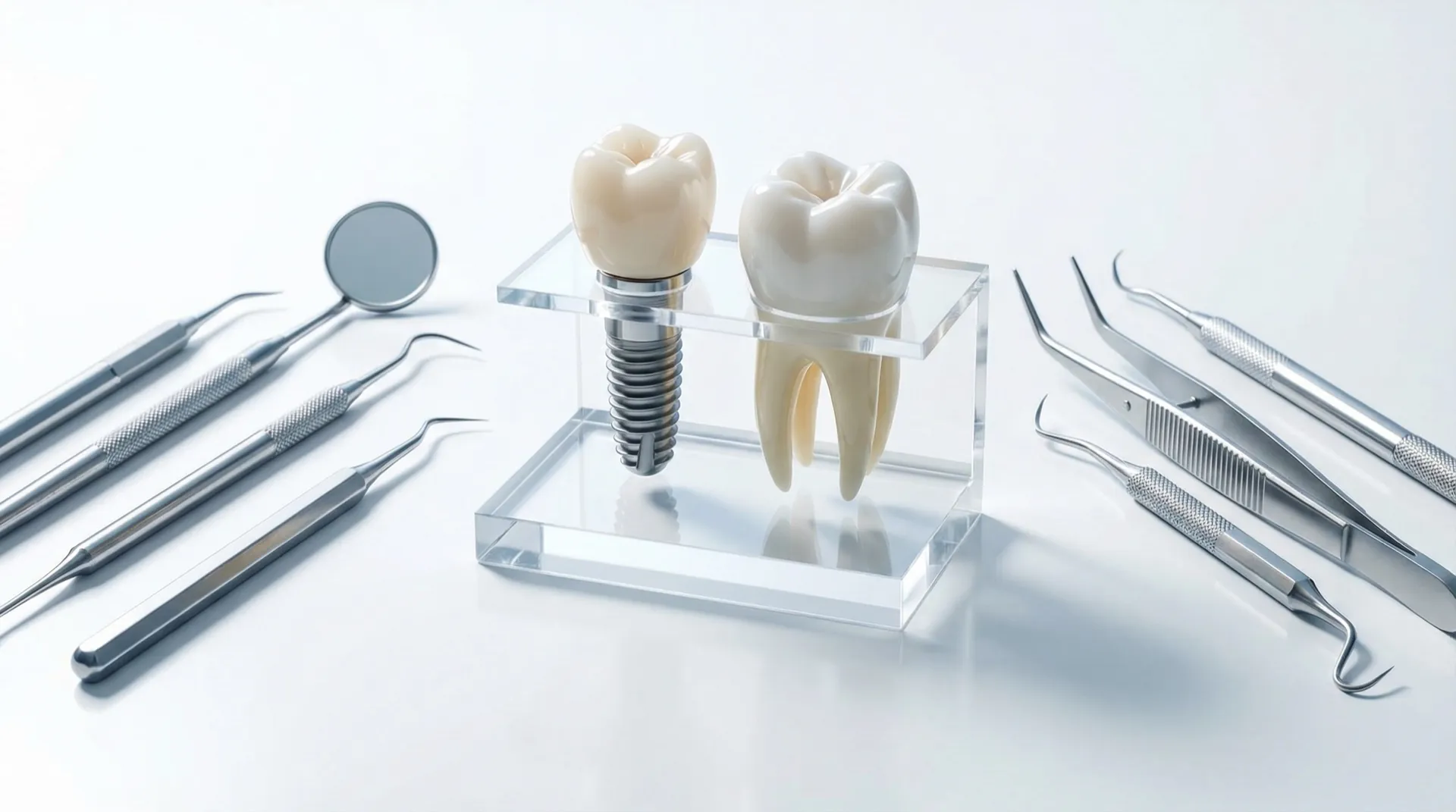
For patients with metal allergy or a preference for metal-free tooth replacement, options include ceramic implants. They are made from zirconium dioxide, a strong white ceramic. The implant body is ceramic; this does not guarantee tolerance of every component in the planned restoration.
Features of metal-free ceramic implants:
- Metal-free ceramic implant body; assess tolerance of the complete restoration
- White colour, particularly relevant aesthetically with thin gums
- Very good tissue compatibility
- No corrosion or metallic taste
- Care and checks remain important with ceramic too
Ceramic implants are not limited to allergy patients. A preference for a metal-free restoration can be considered during consultation, but does not determine treatment on its own. A ceramic implant still needs to integrate with bone. Whether and how this happens depends on the clinical findings and planned restoration.
Tooth Replacement With Metal Allergy: The Options
Besides implants, other tooth replacements can be adapted for metal allergy.
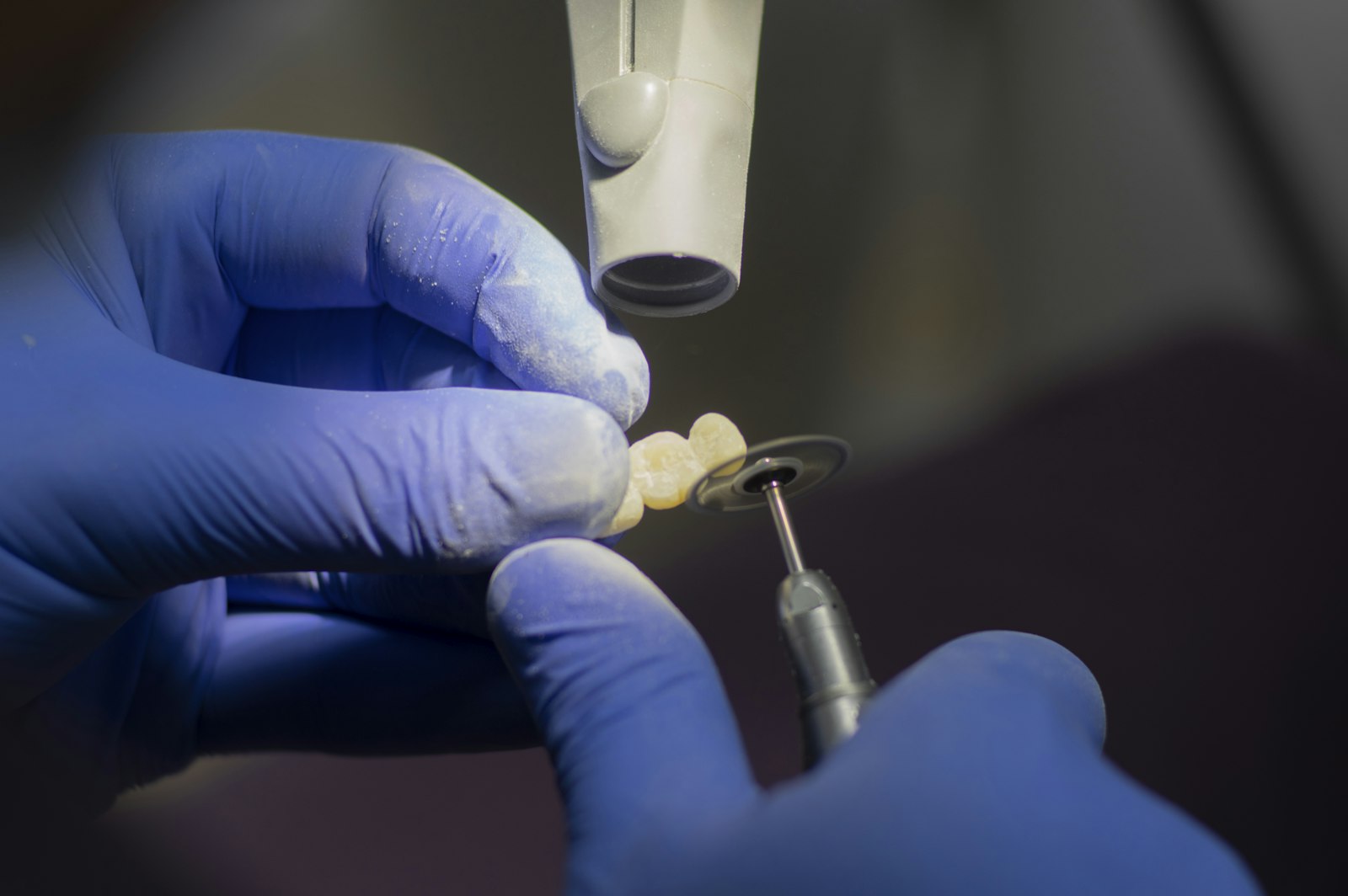
Crowns and bridges: Conventional crowns often contain metal alloys. For allergy patients, all-ceramic crowns are an alternative, made entirely from ceramic without a metal framework. The proposed materials still need to suit your personal situation.
Dentures: Partial dentures usually have metal clasps. For metal allergy, dentures can be made with resin clasps or ceramic telescopic crowns. Known intolerances and planned components also need discussion with resin dentures.
Fillings: Amalgam contains mercury and other metals. For a known intolerance, the relevant components and alternatives such as composite or ceramic are assessed individually.
Long-Term Outcomes: How Long Do Ceramic Implants Last?
Can metal-free implants last as long as titanium? A review of 25 studies involving 4,017 zirconia implants calculated cumulative ten-year survival of 95.1%. Only seven studies followed patients for longer than five years. Survival means the implant remains in place, not a complication-free course. The review is not a direct comparison with titanium. Review of Zirconia Implant Studies.
Factors relevant to long-term outcomes include: good oral hygiene, regular dental checks, sufficient bone and professional implant placement.
Equal or lifelong longevity cannot be promised. The long-term evidence base is smaller than for titanium. Care, checks and risk factors remain important; being metal-free does not automatically protect against inflammation around an implant.
Contents

Your dental consultation in Vienna
Discuss which treatment may suit your teeth and clinical findings.
Learn morezahnimplantate-wien