
You may have been bothered by crooked teeth for some time, but feel that visible metal braces do not suit your work, aesthetic preferences or adult life.
Depending on the findings, removable aligners may straighten teeth without fixed braces. This guide also compares fixed lingual braces and ceramic brackets as alternatives to conventional braces that may achieve good results when the starting conditions are suitable. Lingual and ceramic brackets remain fixed braces; ceramic brackets are less noticeable, but visible. Examination shows which method may suit your teeth. This guide explains the options, how they work, costs and duration.
Why Do Many Adults Want Straighter Teeth Without Visible Braces?
Misaligned teeth also affect adults. Some want correction with appliances that are as inconspicuous as possible in daily life.
Fixed braces are well established but have challenges: visible brackets are noticeable, make oral hygiene more demanding and may not suit the workplace. People with daily customer contact often prefer a less visible option.
Which Discreet Teeth-Straightening Methods Are Available?
Clear aligners, including Invisalign: These thin resin trays are made individually for your teeth. A commonly quoted wearing time is 20 to 22 hours daily. Your individual instructions specify when to move to the next aligner. Each tray moves the teeth a little further. Aligners are discreet and can be removed for eating and cleaning. Systems such as Invisalign are well established.
Lingual braces: hidden fixed braces Brackets are attached to the inner surfaces of the teeth, facing the tongue, and are not visible from outside. This method can be effective for more persistent misalignment, but takes adjustment because brackets may initially affect speech.
Ceramic brackets: less noticeable than metal Tooth-coloured brackets work like conventional braces but are less conspicuous. They may be an option if aligners are insufficient but you would still like discreet treatment.
How Does Clear Aligner Treatment Work?
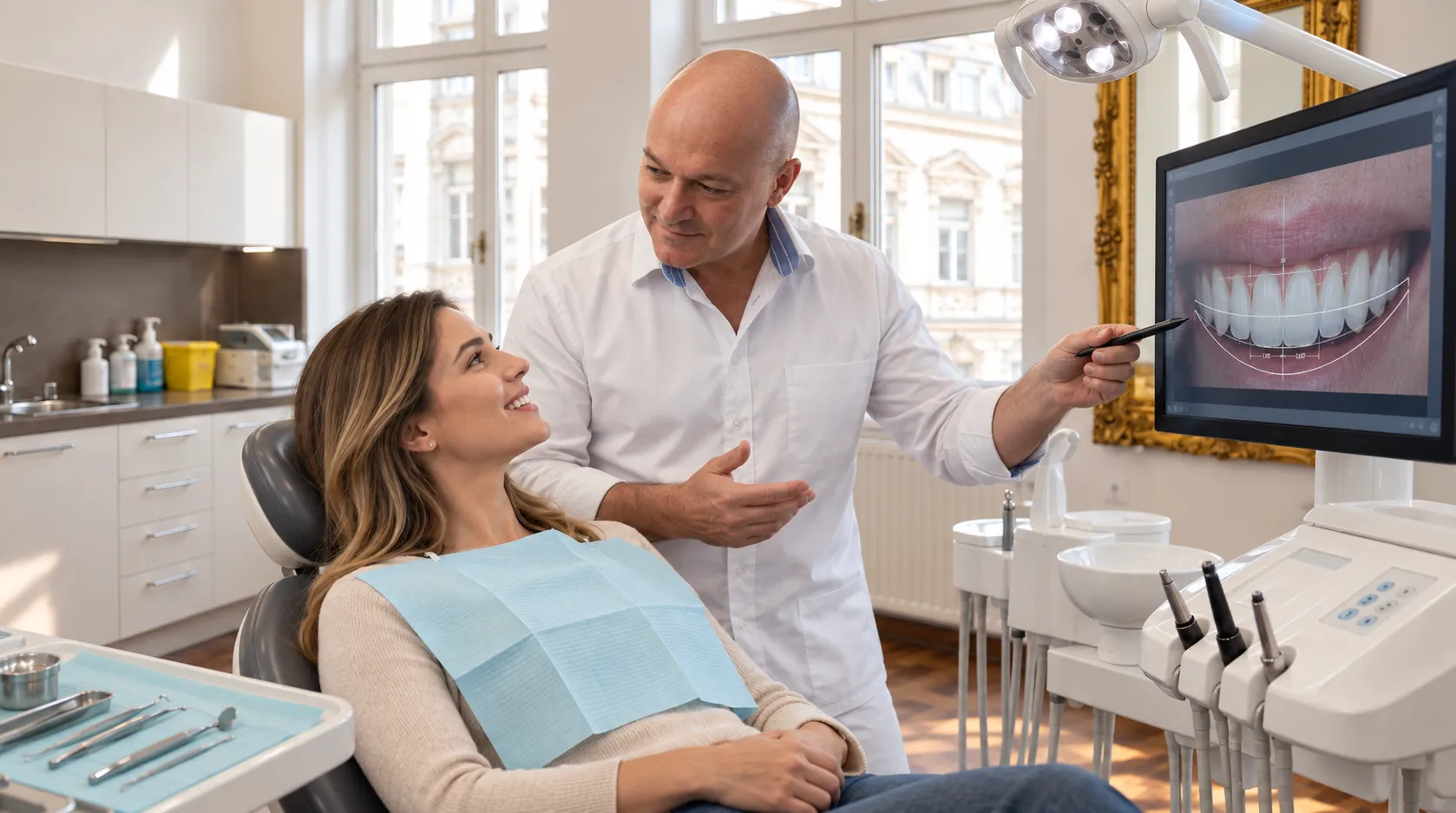
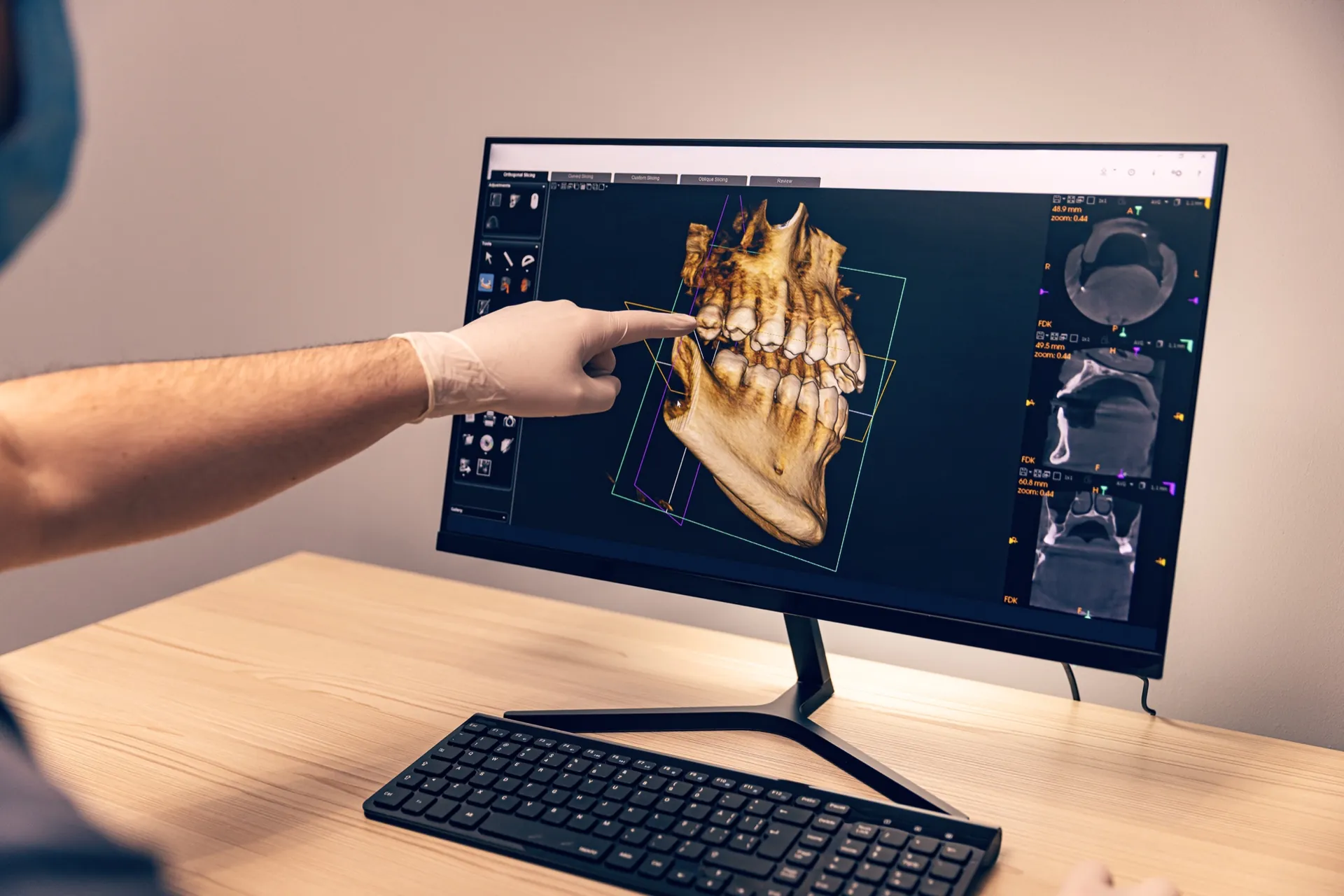
Treatment begins with a thorough examination. Precise impressions or digital scans then help the dentist plan the course. A simulation may show the planned tooth positions, but is a design rather than a guarantee of the eventual result.
You may receive several aligner sets at once. Changes are often planned after around 10 to 14 days and checks after around 6 to 8 weeks; your personal plan takes precedence. Consistent wearing matters: aligners need to be worn for at least 20 hours daily, otherwise treatment may take longer or the intended result may be jeopardised.
How Long Does Treatment Take, and When Will I Notice Changes?
Duration depends on your starting situation and is planned after examination. Rough guidance is 3–6 months for mild misalignment, 8–15 months for moderate cases and 18–24 months for complex cases. When changes become visible depends on the findings and consistent wearing.
Active treatment is followed by stabilisation. You receive retainers, either a thin wire behind the teeth or clear trays for night-time use. They help maintain the tooth positions. Wearing, care and checks are arranged individually.
How Much Do Discreet Straightening Methods Cost?
Cost depends on the correction needed and appropriate method. Lingual braces usually involve more work than aligners, while ceramic brackets often involve less. For aligner treatment, our prices page lists typical market guides. A firm figure requires examination; you receive your personal cost plan after assessment at the practice.
Public insurance covers adult orthodontics only in rare exceptional cases. Private supplementary policies sometimes cover part of the cost; clarify this beforehand. Any payment plans or instalments also need individual agreement with the practice in advance.
Who May Suit Clear Aligners?
Aligners are particularly suited to mild to moderate crowding, gaps, individual rotated teeth, mild jaw discrepancies and relapse after previous treatment.
For complex tooth movements or marked jaw discrepancies, aligners alone may be insufficient. Additional fixed appliances or jaw surgery may be needed. Examination determines which method or combination may suit your clinical findings.
Contents

Your dental consultation in Vienna
Discuss which treatment may suit your teeth and clinical findings.
Learn moreinvisalign-zahnspange-wien